
Hitchcock's Subtextual Coding in 'Rope'
Hitchcock is no stranger to innuendo, as was common in that era, but there was something so sophisticated about his approach to 'Rope', and it starts in the first frame.
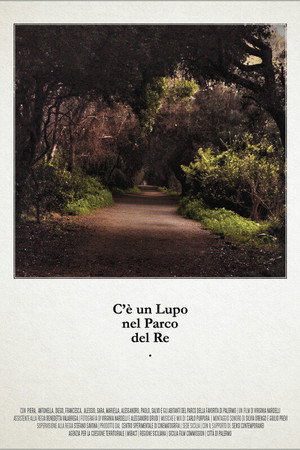


It is said that a wolf roams in the Park of La Favorita in Palermo. No one has ever really seen it. Yet people swear they heard it howling at night. Is it a fantasy? Is it an expression of superstitions and tales? Many stray dogs live in the park. Two sisters take care of them every day. Among the thick branches and crowns, certain people hand secrets out, kids play hide-and-seek, runners pass by and some prostitutes wait for sporadic clients in the sunlight. At night the scenery changes: the tones become more confidential and in the dark, intimacy, life stories, obsessions and memories of those seeking refuge in the park, resound among the branches.
Hitchcock is no stranger to innuendo, as was common in that era, but there was something so sophisticated about his approach to 'Rope', and it starts in the first frame.
Netflix’s new mystery thriller, The Marked Woman (released originally as La Desconocida), is confusing. More critically, though, it commits the worst mistake a movie can make: it’s boring. From Spanish director Gabe Ibáñez, the film squanders its premise at every turn, fills the story with unlikeable characters, and lacks emotional payoff.
Hoppers is a fun ride with a deep message underneath. In true Pixar fashion, Hoppers explores the complexity of emotions and learning to be still in a world that demands fast progress. Through the main character Mabel, we are reminded what it is like to let ourselves feel big emotions. But also how not to be controlled by them.
‘A Good Person’ makes it clear that forgiveness is hard.
A pampered dog who gets lost and has to learn to live on his own while being flexible with surroundings.
Taika Waititi writes, directs and co-stars in 'Boy', set in 1984 New Zealand. The film does just what Waititi dreamed of — it gave a great coming-of-age story to Māori people without making a story of the Māori people as an exotic other.