
"Le Bonheur" and the Feminism of Varda
Effortlessly beautiful and surprisingly tragic.
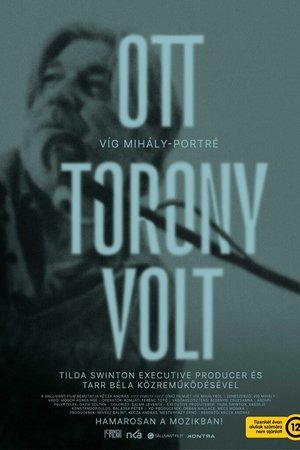


In socialist Hungary, during the early 1980s, underground art flourished. In this often loud, heroic, and emotion-rich world, Vig Mihály, a key member of Balaton/Trabant, represented lyricism, intimacy, and internal journeys. He composed music for the films of János Xantus, András Szirtes, and Ildikó Szabó, and later became the regular composer for the world-renowned director Béla Tarr (and was even given a lead role in the 1994 film Sátántangó). In the documentary film, he speaks about his life, the atmosphere of the era, people associated with alternative culture, and his relationship with them, in an extremely personal and detailed way. We learn his thoughts on literature, music, film, and, in general, the world. He is a relaxed, funny character who is aware of his own limitations, does not deny the darker sides of his personality, but is able to look at his fate with satisfaction.
Effortlessly beautiful and surprisingly tragic.
How powerful can a story be when it is stripped to the bare essentials of just a room, a handful of people and raw human voice?
Celebrate Pride with these movies and TV shows available on popular streaming services. (Good news: a lot of them are available for free.)
Unfortunately, People We Meet on Vacation didn’t hold up quite as well as I’d hoped.
Dead Poets Society relies on patriarchal tropes such as overbearing fathers, contrived brotherhood, and faux-individuality in order to portray its straight white male characters as oppressed.
If your upbringing was anything like mine, where the TV acted as an additional parent- there are so many new stories and perspectives to explore.