







'Not Okay' Review: A Perfect Companion Piece to ‘Nope’
While it initially sounds nothing like 'Nope,' the focus on recording/sharing everything—especially trauma—for profit makes Hulu's 'Not Okay' similar to Jordan Peele’s newest movie.
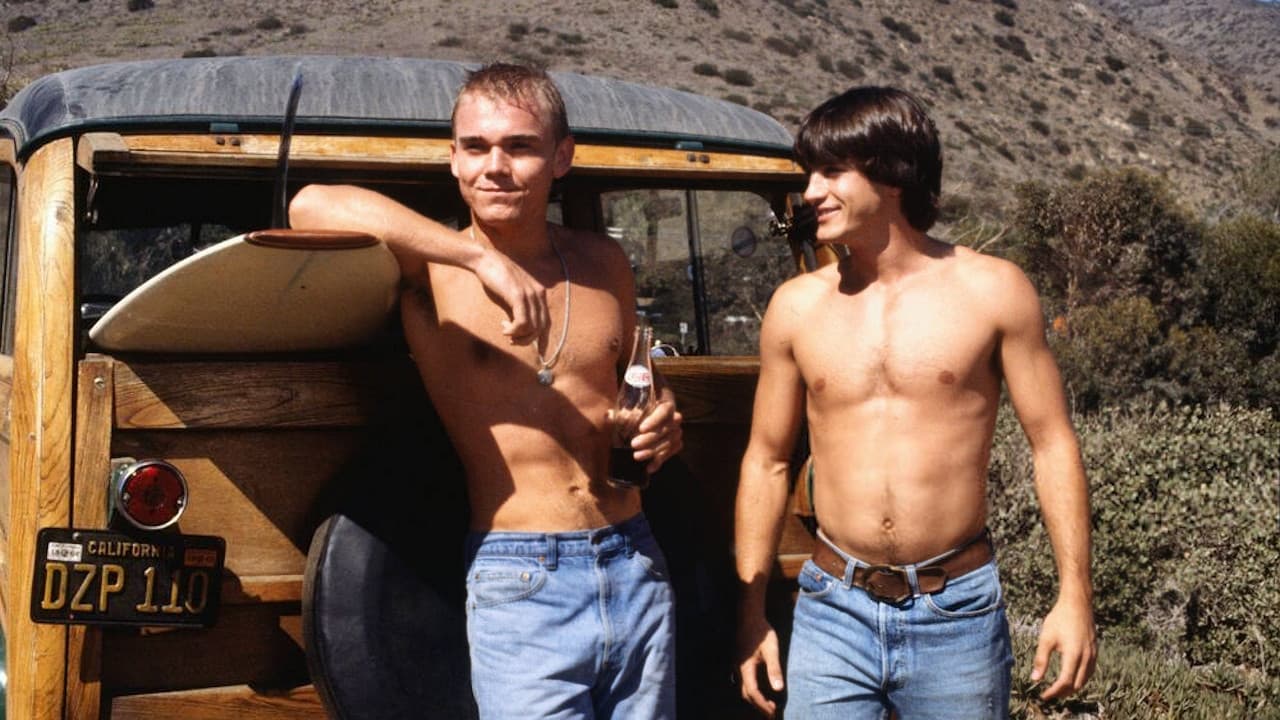
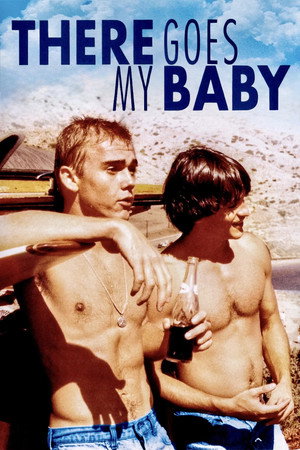


It's the summer of 1965, and the members of the graduating class of upscale Westwood High are eager to reinvent themselves. Valedictorian Mary Beth wants to attend a liberal university. Surfer bum Stick plans to enlist to fight in Vietnam. Calvin lives in the poor Watts section of Los Angeles, which is slowly erupting in violence. As the summer nights grow long, they'll all be forced to make decisions that will affect the rest of their lives.
While it initially sounds nothing like 'Nope,' the focus on recording/sharing everything—especially trauma—for profit makes Hulu's 'Not Okay' similar to Jordan Peele’s newest movie.
What seems like such a simple story of survival is so much more than that—it’s a story of family, and of war, and of destruction. It’s painful to watch, but not in a bad way. It makes its audience reflect on their own actions, and in how they are complicit in the sufferings of others as the adults in this film are. Grave of the Fireflies does not hold back from being heartbreaking, and it shouldn’t. It tells a message that needs to be heard decades after the war, and a story that cannot be forgotten by history.
Wilde’s coming-of-age comedy directorial debut is simultaneously hilarious and entertaining, and remarkably heartfelt and relatable.
The plot lags, the moral lessons are misguided, but are those fluffy little donut creatures adorable? Yes. Yes, they are.
Some people’s first introduction to Mira Nair might be as New York mayor Zohran Mamdani’s mom. But with her insightful direction of 1991’s Mississippi Masala, Nair shows how much she deserves to be known as an artist. Delivering a nuanced portrait of a romance between a Black man and an Indian woman living in the South, Nair explores the complications each character faces, giving both equal weight.
White audiences saw Peola’s mixed-race passing as a Black woman’s struggle to be white. Black audiences saw it as the rebellion of a Black woman trying to gain privileges only given to white people.