
Rallies and Musical Numbers: Hairspray Unpacks Racism in The 1960s
The multifaceted musical represents America in the 1960s and the battle against bigotry as an ensemble cast portrays how to fight for the limelight.
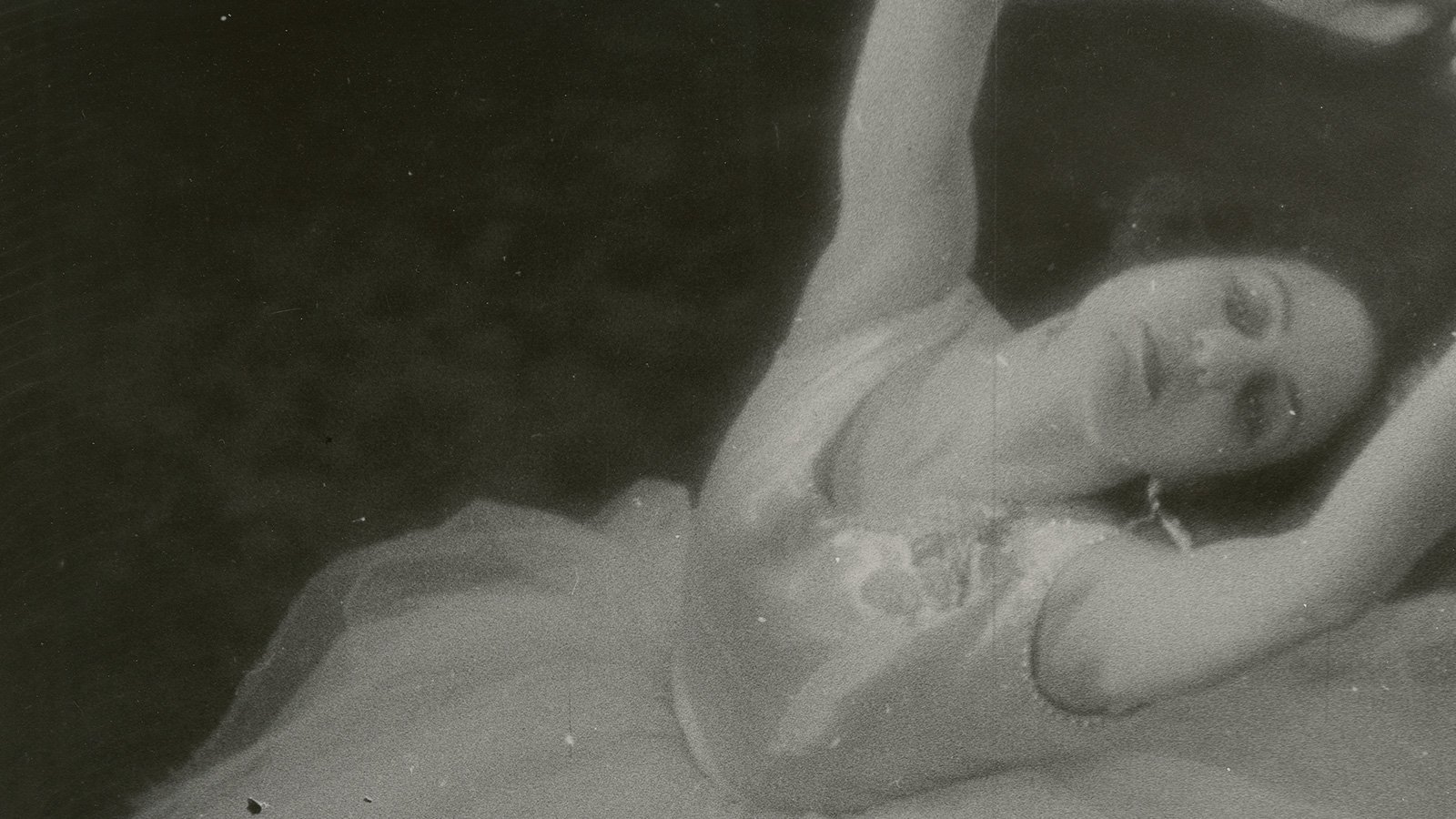
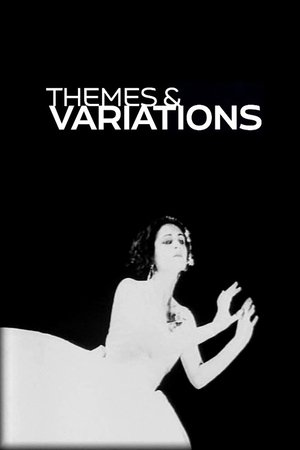


I evoke a dancing woman. A woman? No. A bouncing line with harmonious rhythm. I evoke a luminous projection on veils ! Precise matter! No. Fluid rhythms. Why should one disregard, on screen, the pleasure that movement brings us in the theatre? Harmony of lines. Harmony of light. Lines, surfaces, volumes evolving directly, without the artifice of evocation, in the logic of its forms, dispossessed of any overly human sense, allowing an elevation towards the abstract, thus giving more space to sensations and to dreams : integral cinema. —Germaine Dulac
The multifaceted musical represents America in the 1960s and the battle against bigotry as an ensemble cast portrays how to fight for the limelight.
Netflix’s recent "Enola Holmes 3" is a disappointing and confusing entry in the stellar "Enola Holmes" franchise.
It’s not often in America that you turn on the TV and see a show or a movie with a Muslim protagonist. And when they do, they're usually a negative stereotype. Ms. Marvel changes all of that.
The film, which focuses on an Argentinian family during an intimate birthday dinner, efficiently captures the eccentricities of each character as well as the nuances of their interpersonal dynamics.
Halle's belting, crystal clear notes, and warm tone infused something into this blockbuster that I thoroughly enjoy.
If “Good Time” was a lean exercise in suspense, “Uncut Gems” is an ongoing panic attack. It handcuffs us to an immoral man, made up of selfishness and unreliability. At every point, Adam Sandler connects himself to this idiotic soul, unearthing the misguided opportunism that comes with gambling addiction