







What’s Missing in the Lilo & Stitch Posters? A Face and a Deeper Concern
Where is Lilo's face? Disney marketing sends a chilling signal: that even in 2025, an alien is more palatable and marketable than a brown girl.
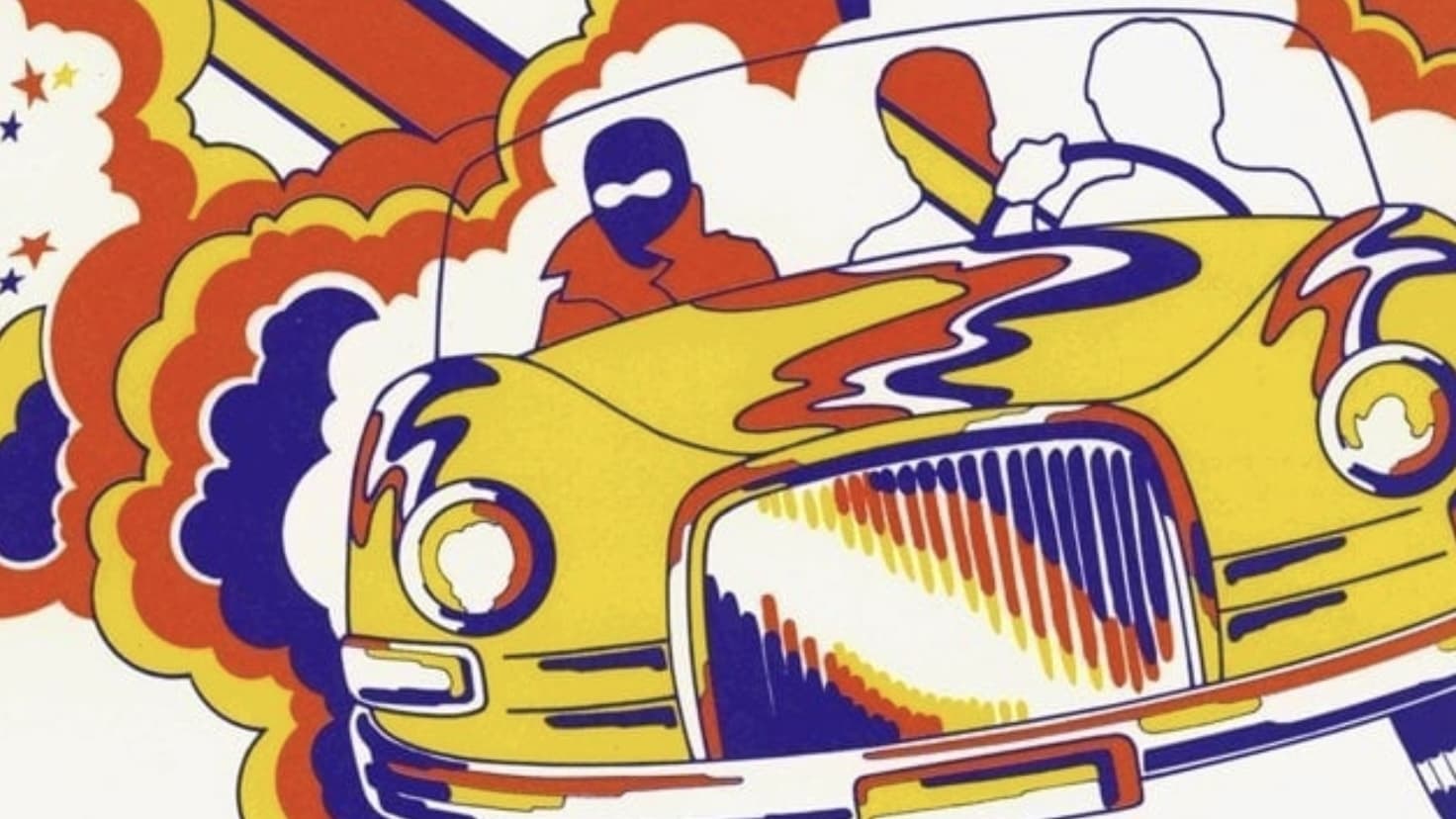
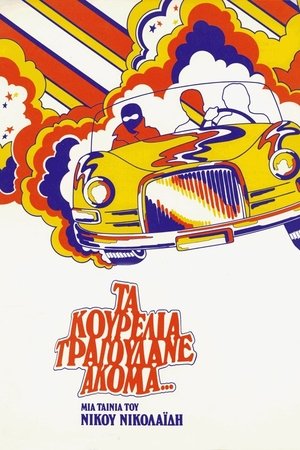


Five friends (representatives of the Fifties generation) now in their forties, reunite after years of silence: one arrives from jail, where he has been entering and exiting for years; the other comes from a series of 'accidental' murders; another leaves his wife and kids; the fourth is a wonderer; and the last, the sole female, emerges from a lunatic asylum where she's been hiding for years... These outcasts—tortured from barren love affairs, wounded from the deaths of their beloved and betrayed by the politics of their times—hopelessly try to reconstruct the gang of their puberty, but the revolution is lost... Now, each in their own way, will progress into a journey of death, thus opening a new chapter in the history of their generation.
Where is Lilo's face? Disney marketing sends a chilling signal: that even in 2025, an alien is more palatable and marketable than a brown girl.
Viewers get a glimpse of life of mediocrity in a world where humans and cartoon characters live together in this comeback.
Initially feeling like a passionate group having a bit of harmless fun with filmmaking, it leads to something sinister enough to leave a mark.
My review’s title is a nod to Shakespeare and is entirely deliberate. The original movie portrayed the high-end fashion world as a brutal arena of plotting, backstabbing, and betrayal, and most Shakespeare’s plays depend on these plot devices. The Devil Wears Prada 2 uses the same formula, and is, plot-wise, almost identical. Once again, we plunge into the cutthroat world of Runway, where to get and stay at the top, you must let go of your principles and moral sense. The only thing different is that due to the digital era, Runway is not a print magazine anymore, but one that is running online.
Make no mistake about it, Gilligan has created a continuation that earns its place in the annals of Breaking Bad lore. El Camino isn't a forced entry in an otherwise brilliant world of fiction. This is a satisfying take, which manages to give closure to an iconic character of fiction.
From its visually stunning opening credits, which show women dancing through a forest to musical rhythms that sound almost primal, to its quiet, heartbreaking final frame, Mona Fastvold’s historical rendering of the Shaker religious movement is an experience that will stay with me for a long time.