Hitchcock's Subtextual Coding in 'Rope'
Hitchcock is no stranger to innuendo, as was common in that era, but there was something so sophisticated about his approach to 'Rope', and it starts in the first frame.
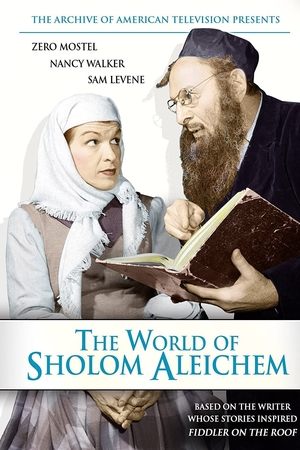


This omnibus release consists of three playlets filmed and aired during television's Golden Age, and starring some of the legends of film and television. The collection originally ran as a two-hour segment on December 14, 1959, on the anthology series The Play of the Week, broadcast locally in New York City via the independent radio station WNTA. Each "tale" in the anthology was adapted from a single tale by the inimitable Sholom Aleichem, regarded by many as the "Yiddish Mark Twain". Included are: "A Tale of Chelm" starring Zero Mostel and Nancy Walker in the story of a bookseller attempting to buy a goat; "Bontche Schweig" about a poor man (Jack Gilford) whose recent arrival in Heaven makes the angels cry; and "The High School" about a Jewish merchant (Morris Carnovsky) persuaded by his wife (Gertrude Berg) to let their son attend a particular high school despite the enforcement of quotas for Jewish students.

Don Richardson
Director

Gertrude Berg
Hannah
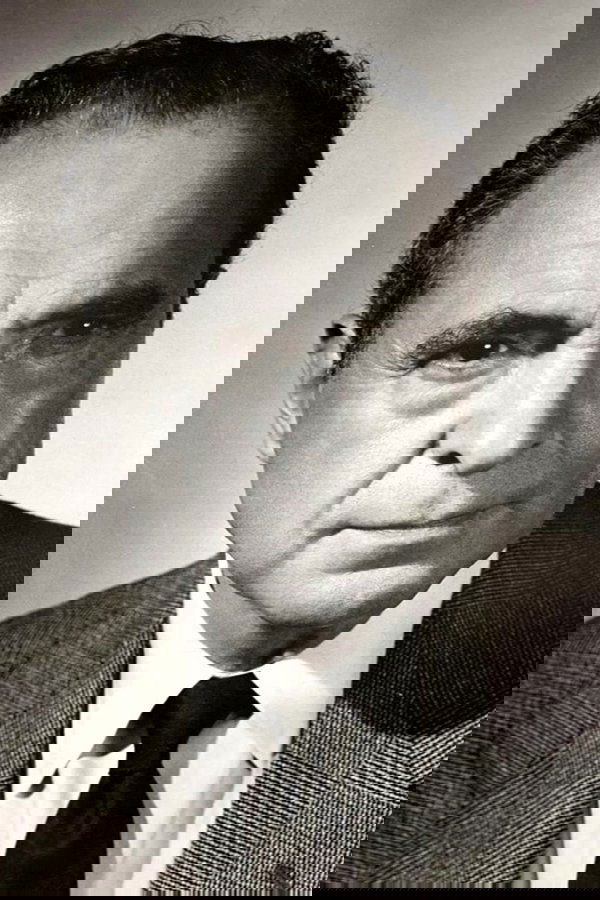
Sam Levene
Mendele
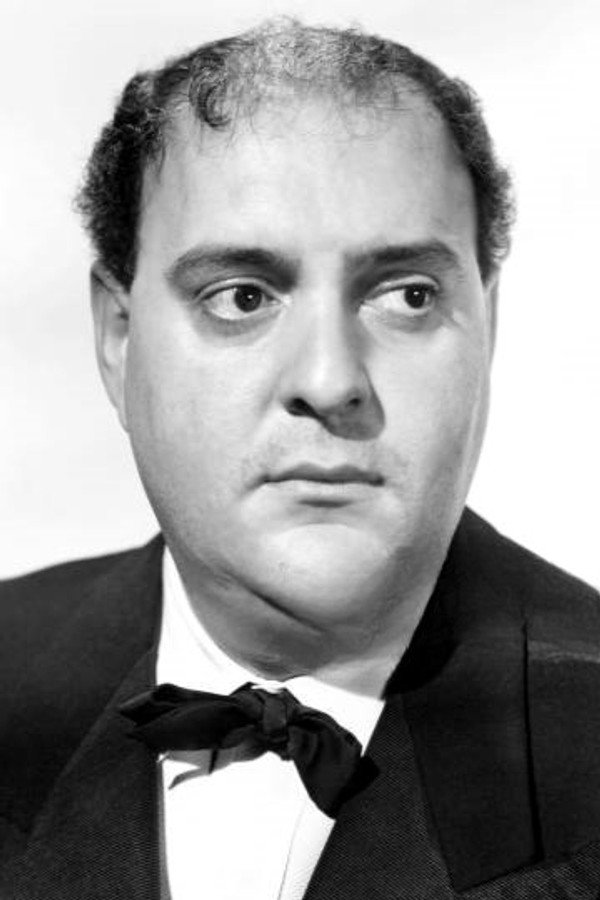
Zero Mostel
Melamed / Maxel
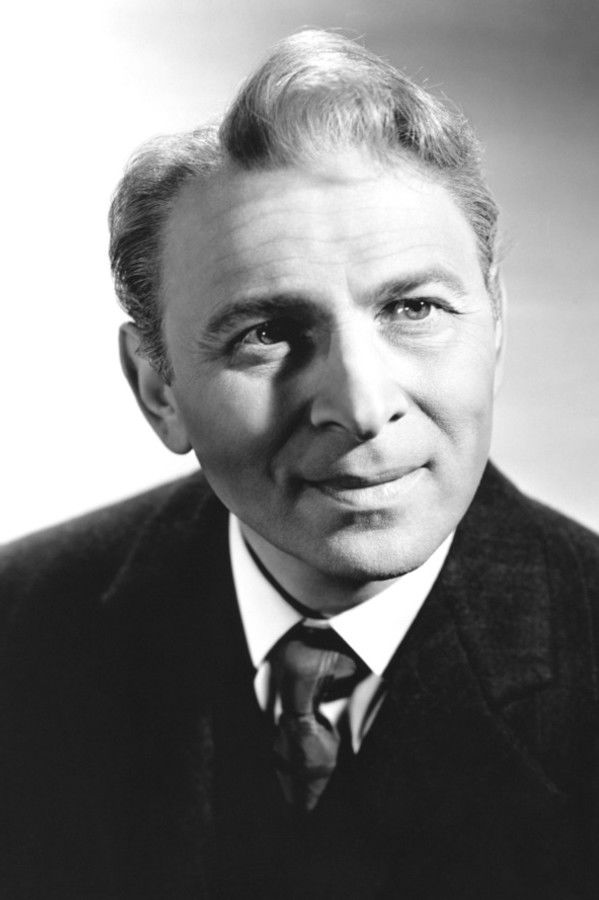
Morris Carnovsky
Aaron Katz / Presiding Angel
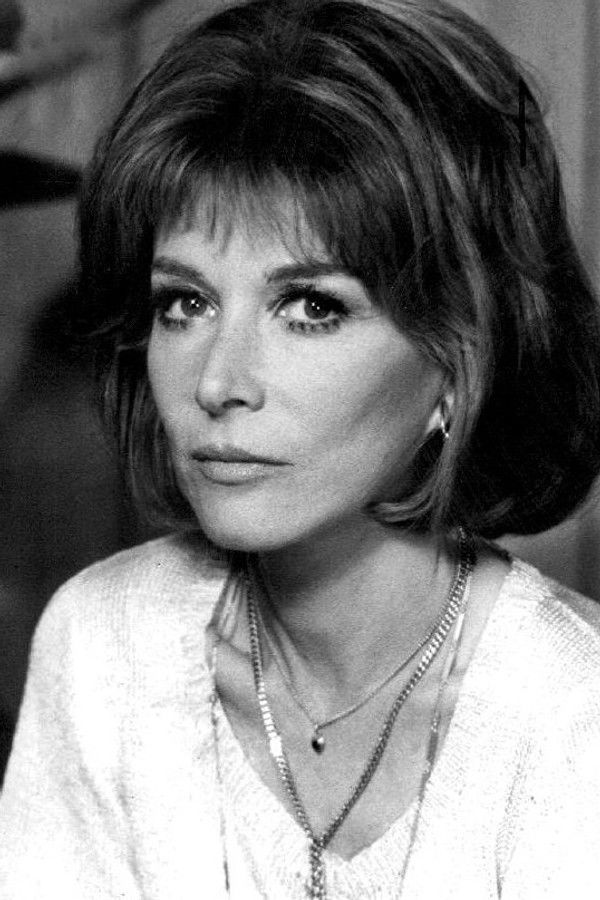
Lee Grant
The Goatseller / Avenging Angel

Nancy Walker
Rifkele
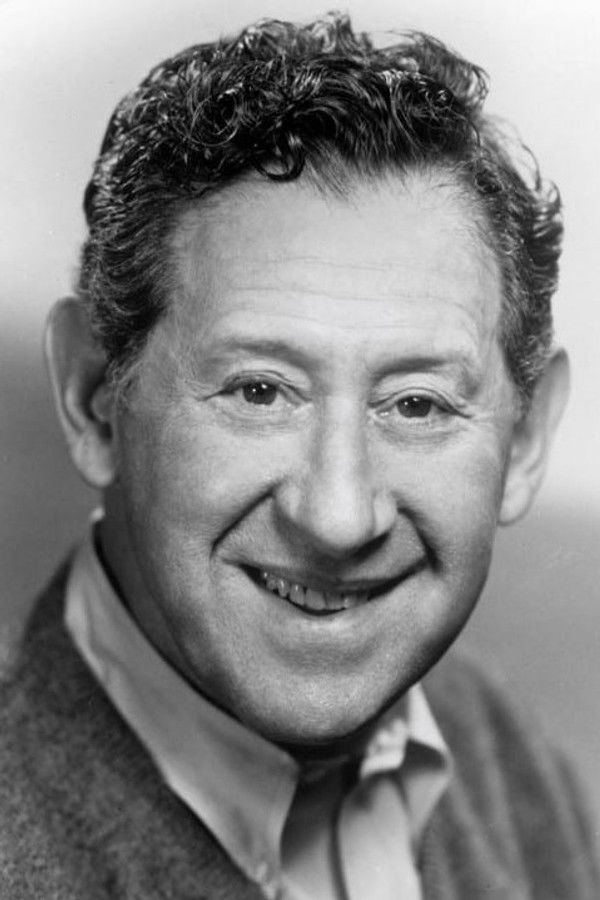
Jack Gilford
Bontsche Shveig / Angel
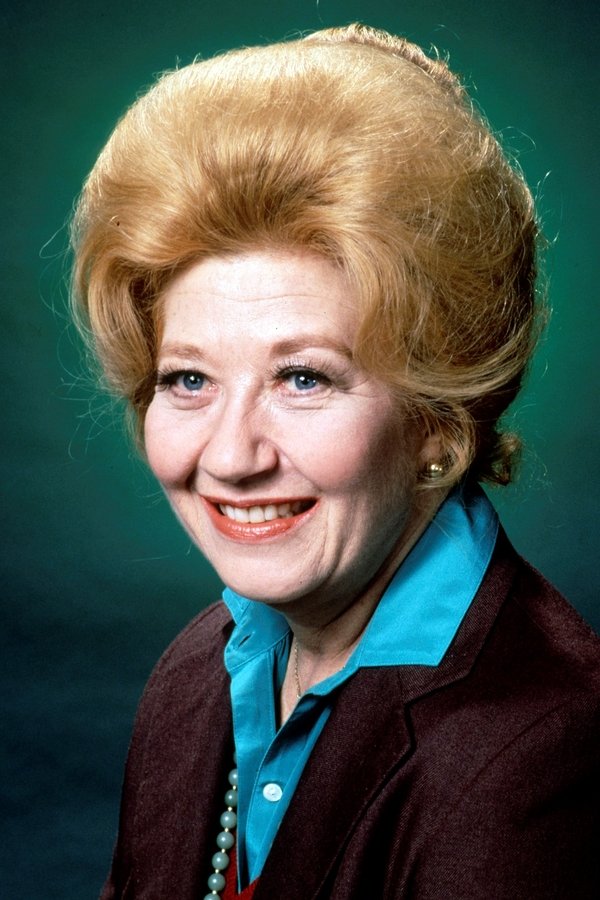
Charlotte Rae
The Angel Rochele
Elsa Freed
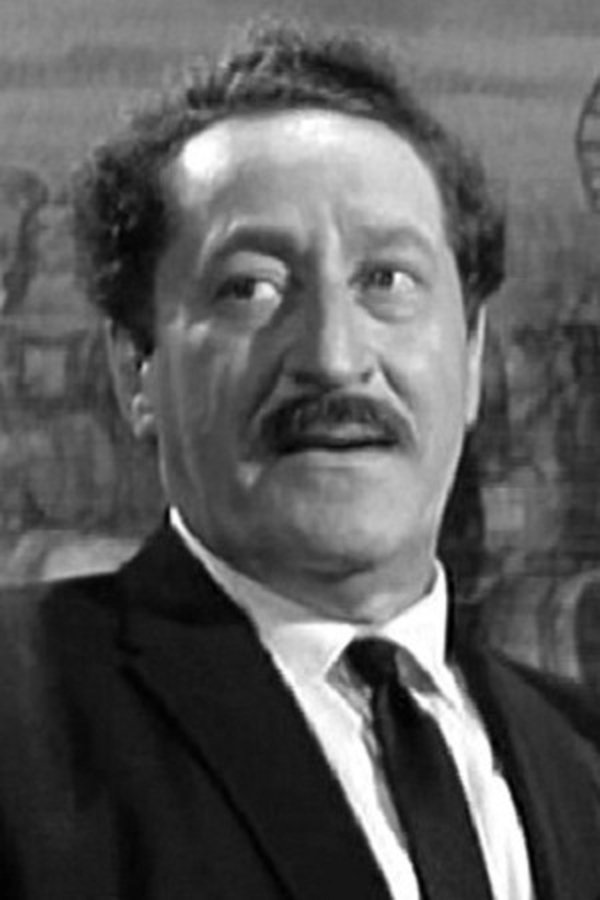
Henry Lascoe
Dodi the Innkeeper
Conrad Bromberg
(as Conrad Josephs)
Hitchcock is no stranger to innuendo, as was common in that era, but there was something so sophisticated about his approach to 'Rope', and it starts in the first frame.
It’s fun, it’s energetic, but it’s also understated and vicarial. Zola is a modern black fairytale and future of black movies.
As a frequent “the book was better” extoller, this movie was well worth the watch.
Unknown Origins promises a cool spin on superheroes and serial killers, but ultimately delivers cheap comedy.
I imagine that it would be a dream job for an actor to play the parts of twin brothers Dominick and Thomas Birdsey in I Know This Much Is True.
Hokum is an enjoyable horror film that will probably get a little under your skin, but it isn’t the tour de force that you might be expecting.