







Incluvie – Better diversity in movies.
Identity in film with Incluvie stamps, scores, reviews.

Incluvie – Better diversity in movies.
Explore identity in film with Incluvie stamps, scores, reviews, and insights.

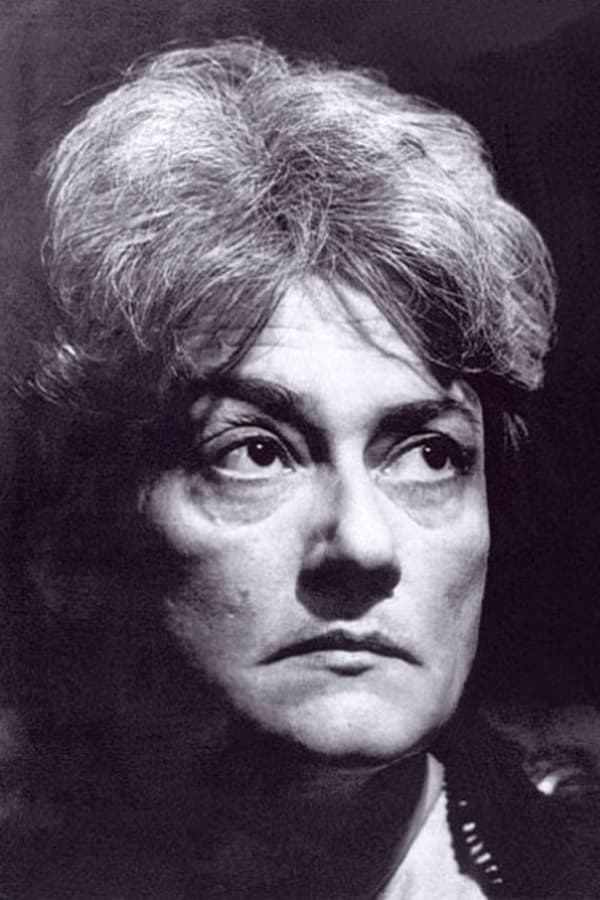
The Woman in the Dream poster

The Woman in the Dream (2005)

The story of a famous director, Thomas, at the peak of his career, obsessed by the ills of the woman he desires, but also by his creative problems. Although his films are award-winning and he is loved by audiences, actors and friends, Thomas is tormented by the desire to make the movie of his life.
- / 5
PopScore
Representation

Pictures and Videos


Incluvie Gala

Movie Information


The story of a famous director, Thomas, at the peak of his career, obsessed by the ills of the woman he desires, but also by his creative problems. Although his films are award-winning and he is loved by audiences, actors and friends, Thomas is tormented by the desire to make the movie of his life.

Rating:
Genre:Drama
Directed By:Dan Pița
Written By:Răsvan Popescu
In Theaters:1/1/2005
Box Office:

Runtime:105 minutes
Studio:MediaPro Pictures

Articles You May Like


"She’s Gotta Have It” was Ahead of the Curve in Portrayal of Female Sexuality

In Spike Lee’s She’s Gotta Have It (1986), we follow the love life of powerful female protagonist Nola Darling (Tracy Camilla Johns) and explore the relationship dynamics she has with her partners. She sees three men simultaneously: Greer Childs, (John Canada Terrell) Mars Blackmon (Spike Lee), and Jamie Overstreet (Tommy Redmond Hicks). Though an 80’s film, She’s Gotta Have It is surprisingly progressive with its themes of female sexuality, although at some points in the film it is handled clumsily. Overall Nola is an incredibly compelling character especially for modern women, as we as a society acknowledge female sensuality more and more without the negative stigma.

Andrea Amoroso

Game of Thrones Retrospective: No One Wants to Sit on the Throne Anymore

It took writers D.B Weiss and David Benioff two years to give us a promising final season. Two. Years. It was just going to be six episodes, which was short considering that all the other seasons — except season 7 — were 10 episodes. 10. 6 wasn’t enough, and even HBO wanted to give the writers more episodes. More seasons, even. However, the writers wanted to get out of the show as quickly as possible to work on other projects. This abruptness is clearly shown in this season.

Incluvie Writer