

Caught Stealing: New York, Crimes, Baseball, and Cat
The trainwreck is hot but tame.
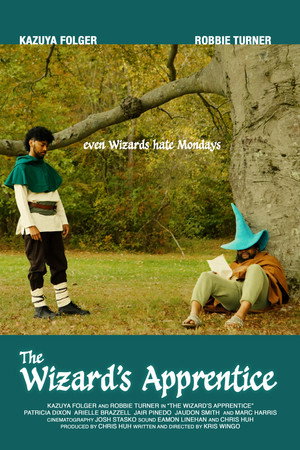


On his first day as a wizard’s apprentice, Malcolm’s passion for the job is tested by the airheaded townsfolk and his grumpy mentor.
The trainwreck is hot but tame.
Gay representation is out there, but to portray a character who's gay as a big, happy brute is a rare treat.
Set in a future dystopian United States in which water is running out, Julia Hart’s Fast Color (2018) is a refreshingly different take on the superhero film.
When most of us think about diversity in film, we usually think about three things: race, gender, and disabilities. However, there is a forgotten topic... age. These are 12 of the best films about growing old.
For a troubled teen, Will discovers what is important in life when he attends a summer camp: the people who care about his well being.
At first glance, “The Good Liar” is a respectable piece of fiction, starring Ian McKellen and Helen Mirren. But underneath everything, the film expertly hones the unpredictability of deceit.