



Gus Van Sant's Constant Thematic and Cinematic Elements
The differences in these films could not be more blatant, and yet Gus Van Sant has found a way to portray the same messages and use the same techniques in each.

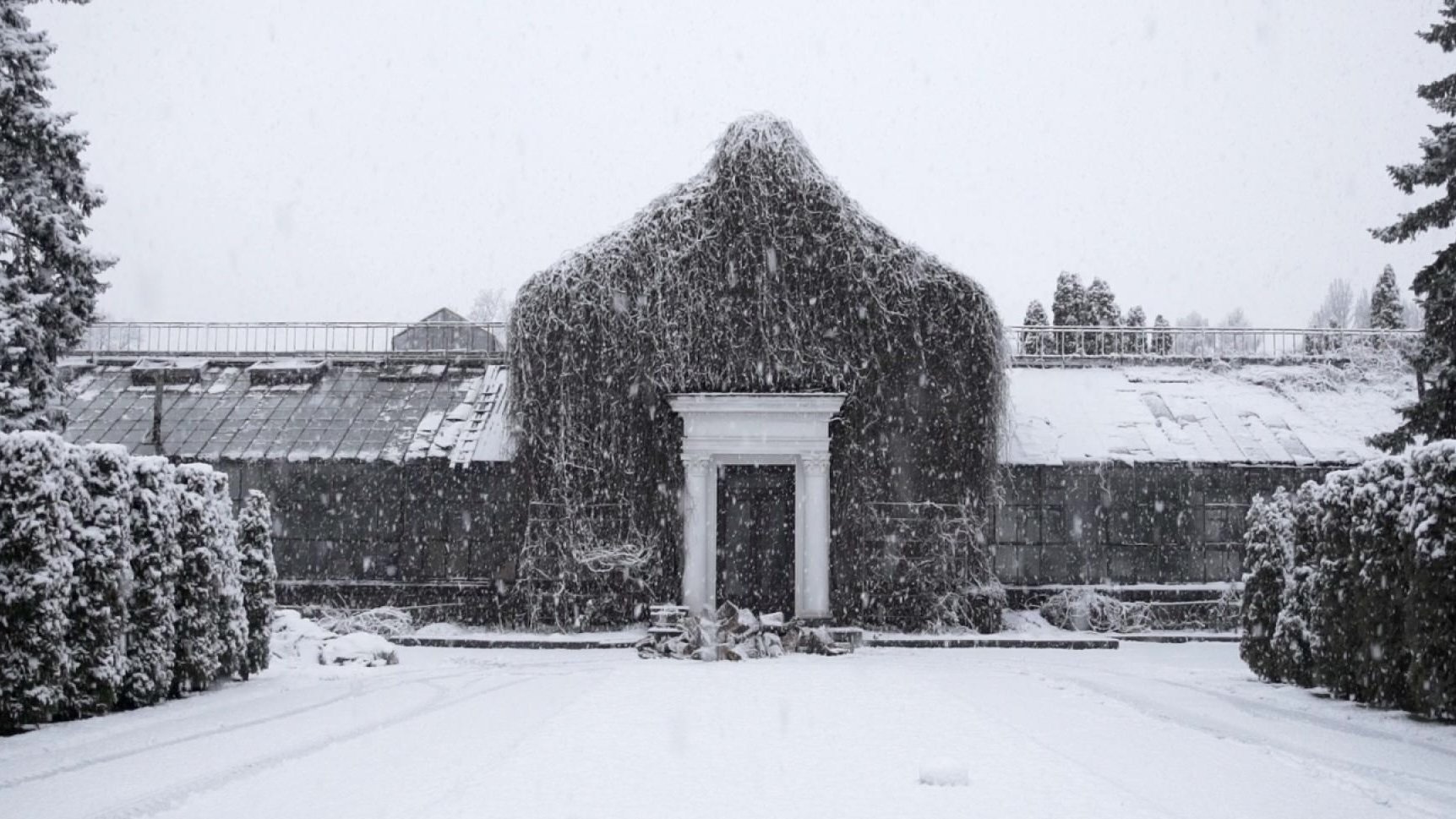
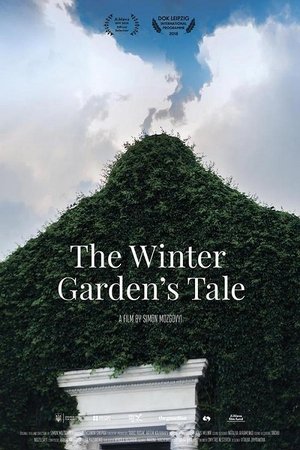
The film’s story is based on the fate of the Floriculture Pavilion of the former Exhibition of Achievements of the People’s Economy, and its elderly employee Valentyna Voronina, who maintains this space, investing her own life into it, until suddenly changes come to her. After forty-five years of work, she is asked to retire. But Voronina does not agree with that, because she thinks that all the plants will die without her. Meanwhile, a group of mysterious radioesthesists find a channel of positive energy right in front of the entrance to the pavilion.
The differences in these films could not be more blatant, and yet Gus Van Sant has found a way to portray the same messages and use the same techniques in each.
As noted in the headline, I didn’t like this movie. Not to say it’s the worst thing ever, but it’s just…meh. Nothing much to it. Very generic. No surprises. At the very least, the cast is diverse so I’ll give it that.
Fire Island is the more inclusive film of the two with the bi-phobic definition of pansexuality in The Thing About Harry and its obvious lack of colour on screen
When the retelling of the Cinderella fairy tale and a holiday spirit come together, viewers learn about class issues as well as perseverance despite setbacks.
Typically in film, characters suffering from mental illness are used as plot devices or exaggerated for comedy. 'The House that Jack Built's representation exceeds in accuracy and realism of OCD.