

Halt and Catch Fire's Trailblazing Queer Representation
It was always people for Joe, and he ultimately found them at the end of a long, painful, yet illuminating quest for self-discovery outside of one, confident constant - his bisexuality.
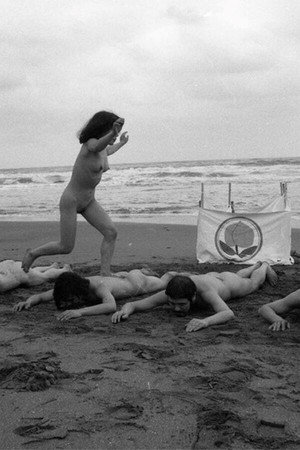


The White Hare of Inaba is a film directed by Katō Yoshihiro, a central member of Zero Jigen, with cinematography by the filmmaker Ōe Masanori. Drawing on the Japanese myth of the white hare of Inaba, it presents a white hare (i.e. woman) leaping across waters full of ferocious sharks (i.e. male-dominated society), presenting a vision for a new era while capturing on film the joy of human beings’ inherent Eros and a new mode of “family” that breaks free of feudalistic social constraints.
It was always people for Joe, and he ultimately found them at the end of a long, painful, yet illuminating quest for self-discovery outside of one, confident constant - his bisexuality.
Even after a history changing event, the 93rd Oscars proved it always had the space for more inclusivity in its award ceremony. But it this enough to change the boycott?
For anyone who is not a cis white woman, a justice-fueled murderous rampage is not framed as liberation. Instead, they contribute to harsh stereotypes that vilify minority women with dangerous consequences.
Americans love the British monarchy. This may seem confusing because only a few short hundred years ago they were our worst enemies, and every year we celebrate our independence from them. The Crown humanizes the monarchy, which might explain its popularity.
Earth and Blood is slow, but it still has it’s entertaining moments. If you’re into thrillers, or want to watch something new, then this film might be for you. As for me, Earth and Blood was tolerable enough.