

“Onslaught” is Insensitive, to Say the Least
Between its problematic nature, its lack of originality, and the senselessness of its violence, Onslaught cannot be recommended in good faith.
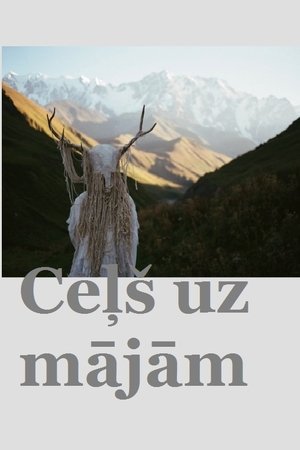


The story of three different cultures meeting together in the realm of ethno-jazz music. Georgian ethno-jazz trio The Shin, the Moldavian band Trigon, Owl’s Ethnographic Orchestra and Intars Busulis. Their breath-taking journey into the souls of Georgian, Latvian and Moldavian folk music, their creation of contemporary music akin to cutting shiny new gemstones from rough old folklore treasures, opening hearts and removing borders between nations and languages. In their travels they become brothers and sisters in music. The scenery and melodies, voices and rhythms on the road they take may change. Yet in the end it turns out to be the way home for them all. The Way Home.
Between its problematic nature, its lack of originality, and the senselessness of its violence, Onslaught cannot be recommended in good faith.
There is a lot of controversy around Q-force. It’s certainly not hard to see why—the series is quite hyperbolic. I will say, that was the first aspect I noticed on my initial watch. Right from the get-go Q-Force barrages you with gay joke after gay joke. This is hit or miss throughout the series.
Treated like a granter of wishes for those earning out of retelling the same tragedy, Marilyn looks like she's caged in different stages of trauma for us to stare at, instead of someone we’ve finally allowed to rest in peace.
A refreshing twist is that all the kids’ powers are…kind of useless. There’s a kid who can only move in slow motion, a kid who has every power in the world but can only use them randomly, and our main character Missy who has no powers at all. The thesis of the film seems to be that it doesn’t matter what kind of powers you have, its the way you use them, which is good for the warm and fuzzies.