


‘Brahmastra’: Bollywood's Superhero Universe
Bollywood's new superhero universe is a romantic, fantasy, and action-packed journey of a young warrior who rises to save the world with superpowers.
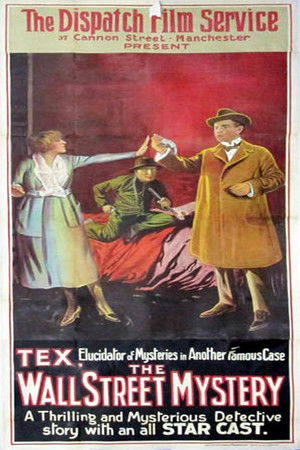


When the body of Wall Street broker Norman Temple is found dead in his office, the police arrest contractor James Borden for the crime on the testimony of Temple's secretary that Borden had threatened her employer over an unpaid note. Also under suspicion is Temple's Japanese valet, who quarreled with his employer the day before the murder. Tex, a detective, enters the case, following his own leads which prove the valet innocent. Tex finally deduces that Minkin, one of Temple's clerks, shot his employer when he interrupted the clerk robbing his safe. With Tex's revelation, Minkin's room is searched, the stolen bonds found and Borden is freed.
Bollywood's new superhero universe is a romantic, fantasy, and action-packed journey of a young warrior who rises to save the world with superpowers.
Passing is a visually stunning portrayal of Larsen's story with an inclusive cast, and the performances of Thompson and Negga are sensational.
The justice system in the United States of America is supposed to operate as you are deemed innocent until proven guilty. But "When They See Us" shows what happens for Black people is they are deemed guilty until proven innocent.
The Resort has an excellent climax surrounded by disappointments. Somehow, at a mere 75 minutes, this movie still manages to be 70 minutes too long.
A smashing sequel to the first Sonic the Hedgehog film that also brings back elements from the popular video game series.
Disney's live-action remake is vibrant and beautiful, with updated music and classic enthusiasm, but it fails to push the envelope and provide nuance for Ursula.