
The First Asian-American on US Currency: Who's Anna May Wong?
Anna May Wong was a talented actress and a fashion icon and still had to fight for everything she had due to hatred and racism.
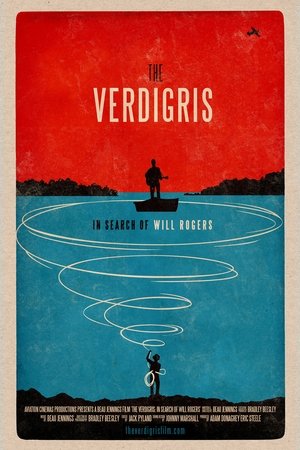


A songwriter from Oklahoma, Beau Jennings spent the last few years writing songs about his boyhood hero and 'Oklahoma's favorite son' Will Rogers, the legendary Cherokee-Indian cowboy, vaudeville performer, newspaper columnist and movie star. As songs accumulated, Beau realized the need to further explore the source of his inspiration, and a plan was hatched to travel the U.S. retracing Will Rogers' footsteps, performing songs about Will at locations where significant events in his life took place. Beau decided that the performances should be filmed for the creation of a feature-length documentary film and accompanying album with the working title The Verdigris - a reference to the river that runs through Will's hometown of Oologah, OK and through Beau's hometown of Inola, OK.
Anna May Wong was a talented actress and a fashion icon and still had to fight for everything she had due to hatred and racism.
In Jeymes Samuel's history-infused, neo-spaghetti western, Black women are center stage with a fresh hip hop mixtape keeping rhythm in the backdrop.
The Chronology of Water is a raw, honest, and unforgiving portrayal of how an abusive childhood ripples throughout one’s life. It is definitely the best movie I’ve seen Imogen Poots in. And even though Kristen Stewart has a long acting career for her young age, her directorial skills in this film show a lot of promise. Her feature debut as a director, an adaptation of Lidia Yuknavitch's critically acclaimed 2011 autobiographical memoir, is fully immersive, mesmerizing, and impressive.
Middle school best friends reunite in middle age - Magalie is a chaotic free spirit “freeloader”, Blandine is a divorcée “sourpuss” with severe depression. The Palm Beach Film Festival opening night was glamorous for “Two Tickets to Greece”, the first screening of the French film in the United States.
The social issues The Half of it takes on are handled well, between the antagonization brought on to Ellie for her race and the conflict that arises from her being gay. Both aspects of her character are built up over the course of the film and don’t seem abrupt or rushed. The film shows racism towards Ellie and her and father in varying levels, from having her schoolmates specifically address her as "Chinese girl” to the fore mentioned way her Dad is treated due to language barriers. The same can be said about Ellie being a lesbian. While she never truly “comes out” in the narrative, that does not undermine her journey of self-discovery from being meaningful. These ideas aren’t thrust upon the viewer in a preachy manor, the scenarios that occur feel believable given the rural setting. The film presents watchers with problems whom those like Ellie may face, and leaves us to sit with them and reflect.
This coming-of-age movie based on the 1970 book by Judy Blume gives viewers a scope on female topics in the quest for a religious identity.