Sick or Evil or Both: “My Friend Dahmer” and the Coverage of White Killers
This HBO mini-series asks why a young white man turned to violence and finds no easy answers. But why do we only ask questions about certain kinds of killers?




The buoyant Molly Brown has survived the first crisis of her life—a flood. Sixteen years later she sets out to make her way in the world. She assures the Leadville saloon keeper that she can sing and play the piano, and learns quickly. Soon she marries Johnny Brown, who in a few years will be able to replace the original cigar wrapper wedding ring with a replica in gold and gemstones. The Browns head for Europe and bring a few crowned heads back to Denver for a party that turns into a ballroom brawl. Molly goes to Europe alone, returning on the Titanic. She didn't survive a flood as a baby for the story to end here.

Charles Walters
Director


Debbie Reynolds
Molly Brown

Harve Presnell
Johnny Brown

Ed Begley
Shamus Tobin
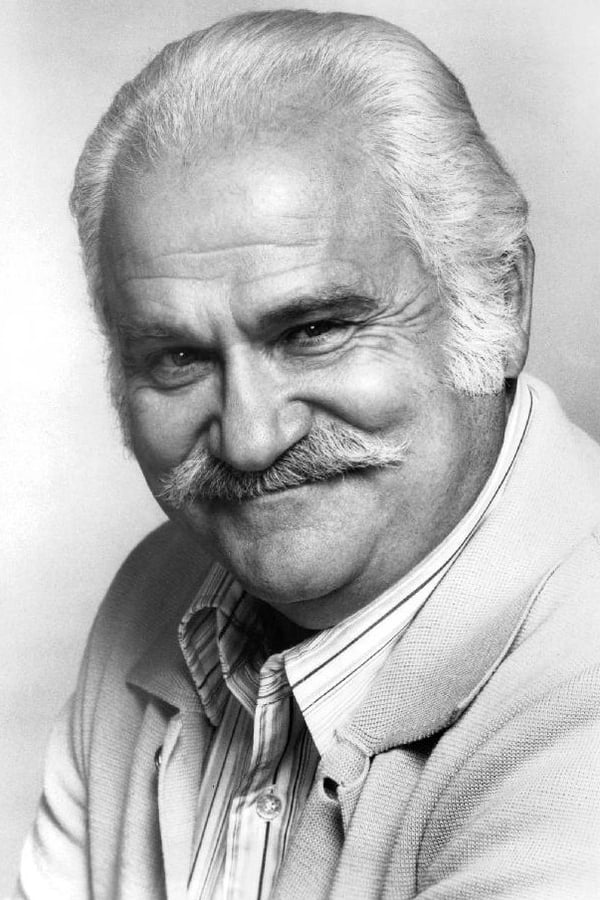
Jack Kruschen
Christmas Morgan
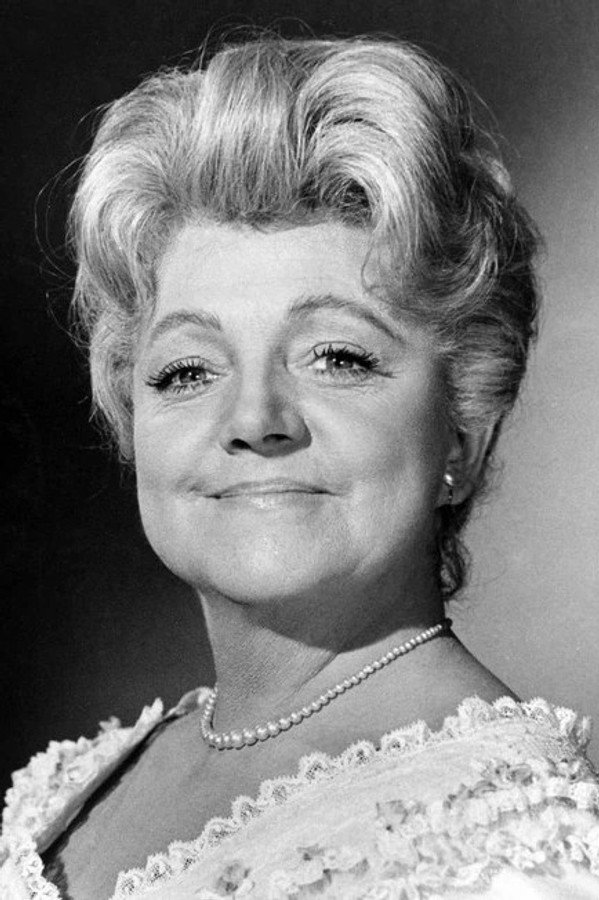
Hermione Baddeley
Buttercup Grogan

Vassili Lambrinos
Prince Louis de Laniere

Fred Essler
Baron Karl Ludwig von Ettenburg

Harvey Lembeck
Polak
Lauren Gilbert
Mr. Fitzgerald

Kathryn Card
Mrs. Wadlington

Hayden Rorke
Malcolm Broderick
This HBO mini-series asks why a young white man turned to violence and finds no easy answers. But why do we only ask questions about certain kinds of killers?
This is ambitious horror filmmaking, and in a lot of ways, I fully admire its ambitions. For me, the film’s sloppiness defines its overall quality.
Of all the many great people that have contributed to Hip-Hop and radio, I was fortunate enough to speak with James Rosseau, founder of The Corelink Solution, a nonprofit that owns and operates Holy Culture Radio.
Writing great villains is about striking a balance between charming and evil, so we love them but also love to see them lose.
'Jungle Cruise' is fun if you can ignore the racism of the ride it’s based on and the film’s bland, stereotypical characters.
The human experience is described through the eyes of a marginalized outsider, neither judgmental nor invested, just an observant donkey.