







“Bury Your Gays” Trope in TV and How “Wynonna Earp” Defies it
I think that the happiness and survival of "Wynonna Earp"’s LGBTQ+ characters is incredibly refreshing in contrast to the prevalence of queer suffering and death in other television.
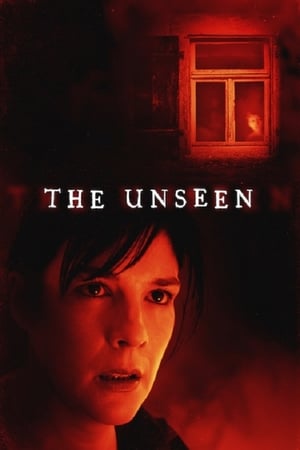


After the tragic loss of their son, perfect couple Gemma and Will begin to experience strange auditory hallucinations and losses of vision, as they attempt to escape their worries while vacationing at an acquaintance's remote cottage in the Lake District.
I think that the happiness and survival of "Wynonna Earp"’s LGBTQ+ characters is incredibly refreshing in contrast to the prevalence of queer suffering and death in other television.
In addition to the cast being delightfully diverse this time around, the film was just loosely-plotted and action-packed enough to keep a casual fan like myself entertained. While I do agree that the writing of Cole left much to be desired for an original character thrust into a preconceived universe, none of the characters seemed particularly fleshed out in terms of personality; however, I think that's to be expected when you're watching a film literally inspired by a video game.
“Candyman ain't a 'he.’ Candyman is the whole damn hive." Candyman represents all Black victims of white supremacy, and this art form narratively conveys it in a succinct, adulatory way, the history of which is rare to find.
The 1950s lesbian romance is stunning, emotional, restrained, and, simply put, one of the best movies I’ve ever seen depicting a woman-loving-woman (WLW) relationship.
Coverage from the Austin Film Festival, highlighting some panels and films that emphasized the importance of diverse and inclusive storytelling.
Looking back at the representation of different cultures in the magical world of Harry Potter