"Marriage Story" is no "Kramer vs. Kramer"
"Marriage Story" is a narrow-minded and heavy-handed attempt to examine the complexity of human relationships.
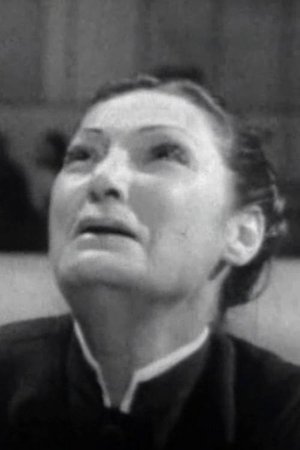


In 1967 the director Vittorio Cottafavi produces the TV movie Le Troiane from Euripides. He uses the classical Italian translation by Enzio Cetrangolo, but creates an original way of film adaptation, inspired by the Brechtian conception of staging the ancient theater. He does not use costume or set design, but is based only on the simple performance of the actors, highlighted by the shooting technique. The absolute sense of tragedy is perceived by the public through emotional engagement and imagination. So, the Trojan war is all the wars and the pain of the Trojan women is the pain of all the victims of any war.
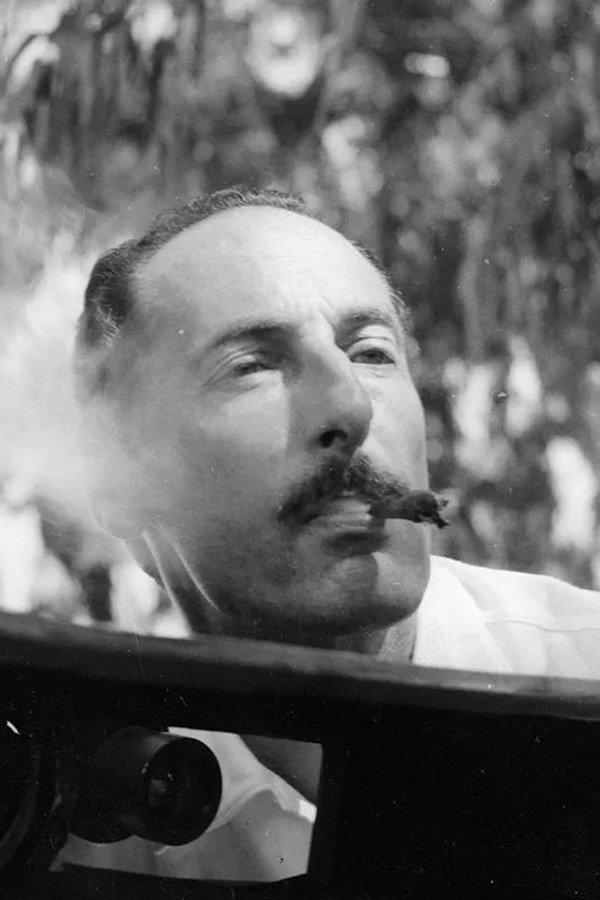
Vittorio Cottafavi
Director

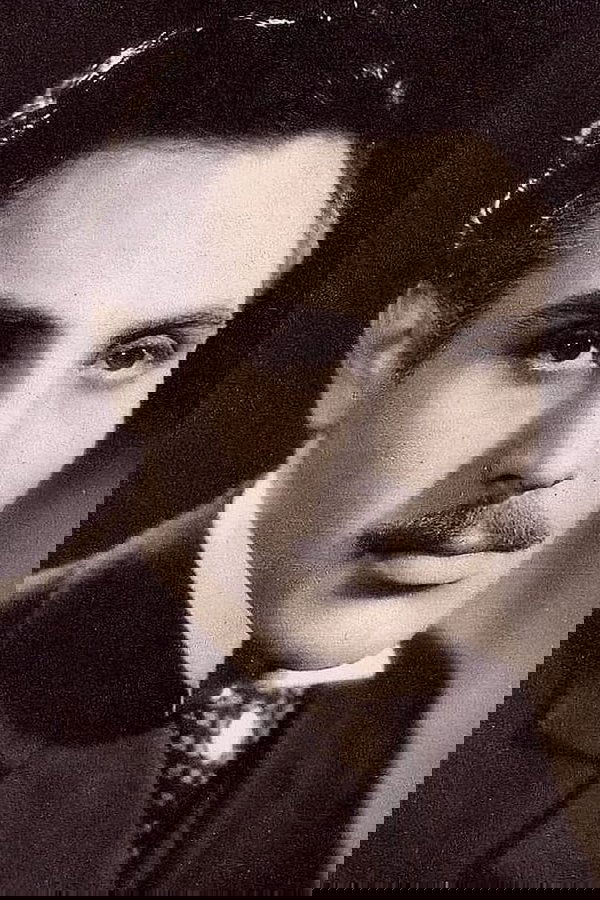
Roldano Lupi
Poseidone
Luisa Aluigi
Prigioniere Troiana 1
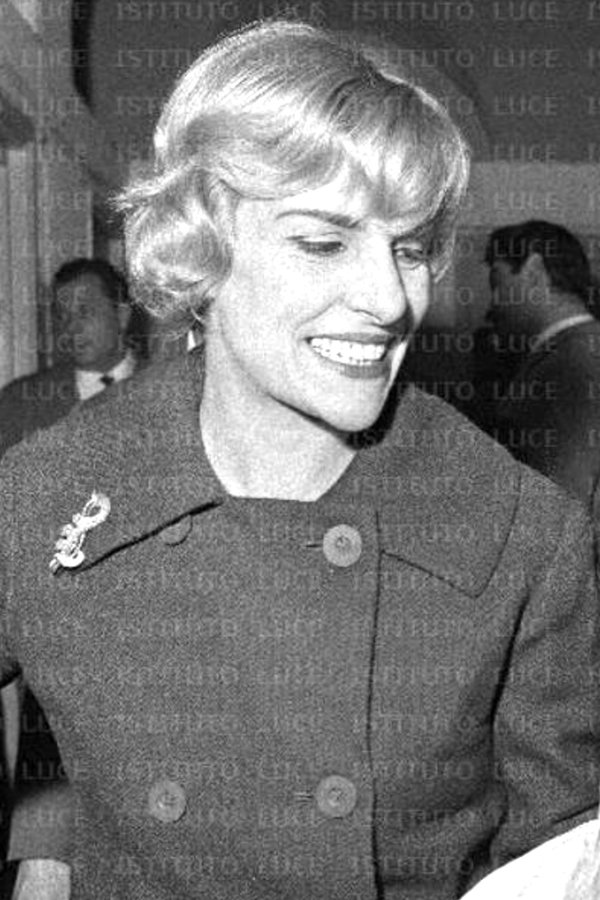
Lia Angeleri
Corifea
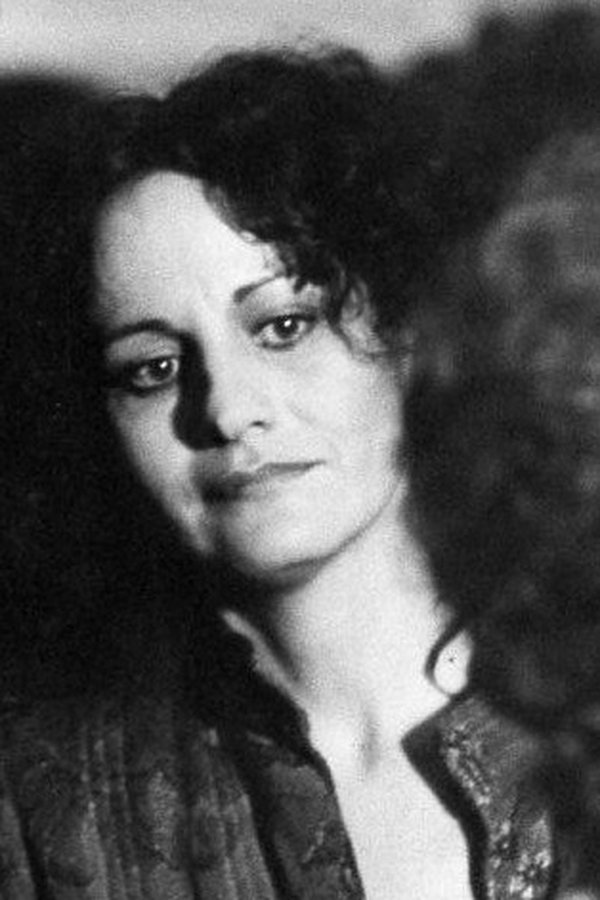
Annamaria Chio
Prigioniere Troiana 4
Vittoria Dal Verme
Prigioniere Troiana 5

Piera Degli Esposti
Prigioniere Troiana 6
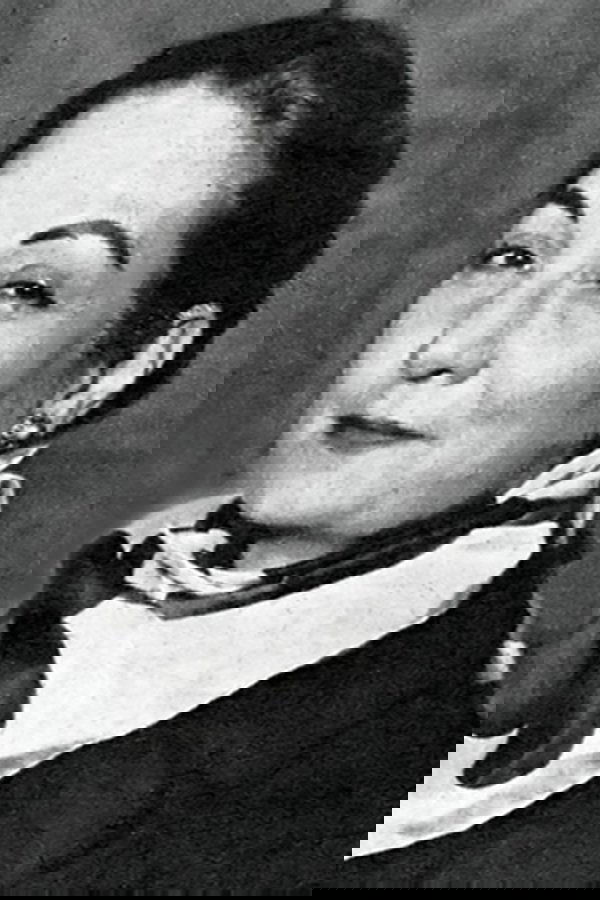
Sarah Ferrati
Ecuba
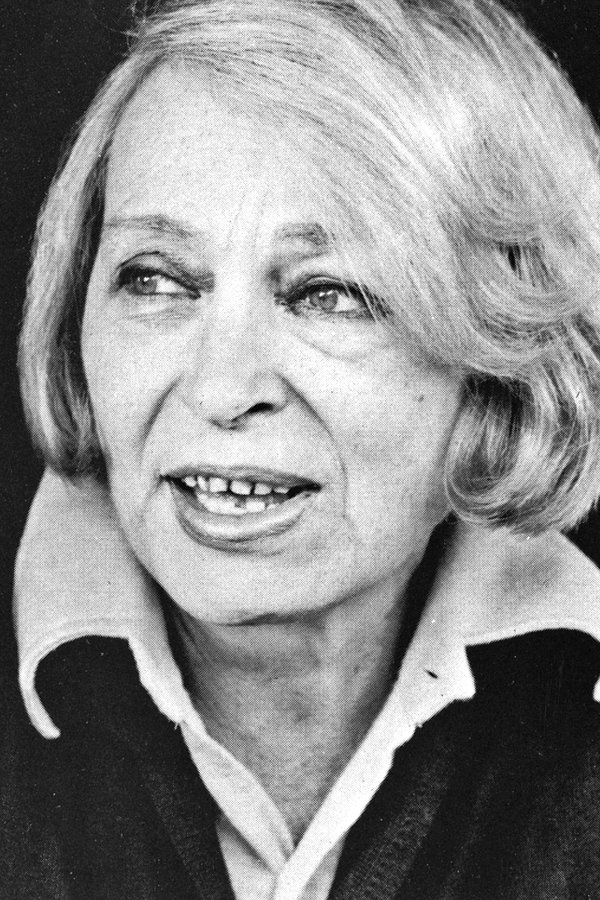
Cesarina Gheraldi
Prigioniere Troiana 7

Maddalena Gillia
Prigioniere Troiana 8

Milena Vukotić
Prigioniere Troiana 9

Anna Maria Guarnieri
Cassandra
"Marriage Story" is a narrow-minded and heavy-handed attempt to examine the complexity of human relationships.
Tran Quoc Bao succeeds in telling us a story about martial arts, human decay, and friendship. The originality shown by his filmmaking is admirable and brings fresh air to the classic Chinese martial arts genre.
'Rag Tag' encompasses the diversity within the African Diaspora by showing London Nigerian men learning to regulate their emotions while navigating love and societal pressures.
This fantasy movie released on Disney+ has strong topics and themes related to magic.
Wacky antics ensue when a 100-year-old Jewish man wakes up from a pickled hibernation in the modern world.
Like Stars on Earth is a representative movie that talks about dyslexia to young audiences and why it is important in today's generation.