





'Ralph Breaks the Internet' in the World Wide Web
Ralph and Vanellope unpack lots of surprises for those who love going on the Internet.
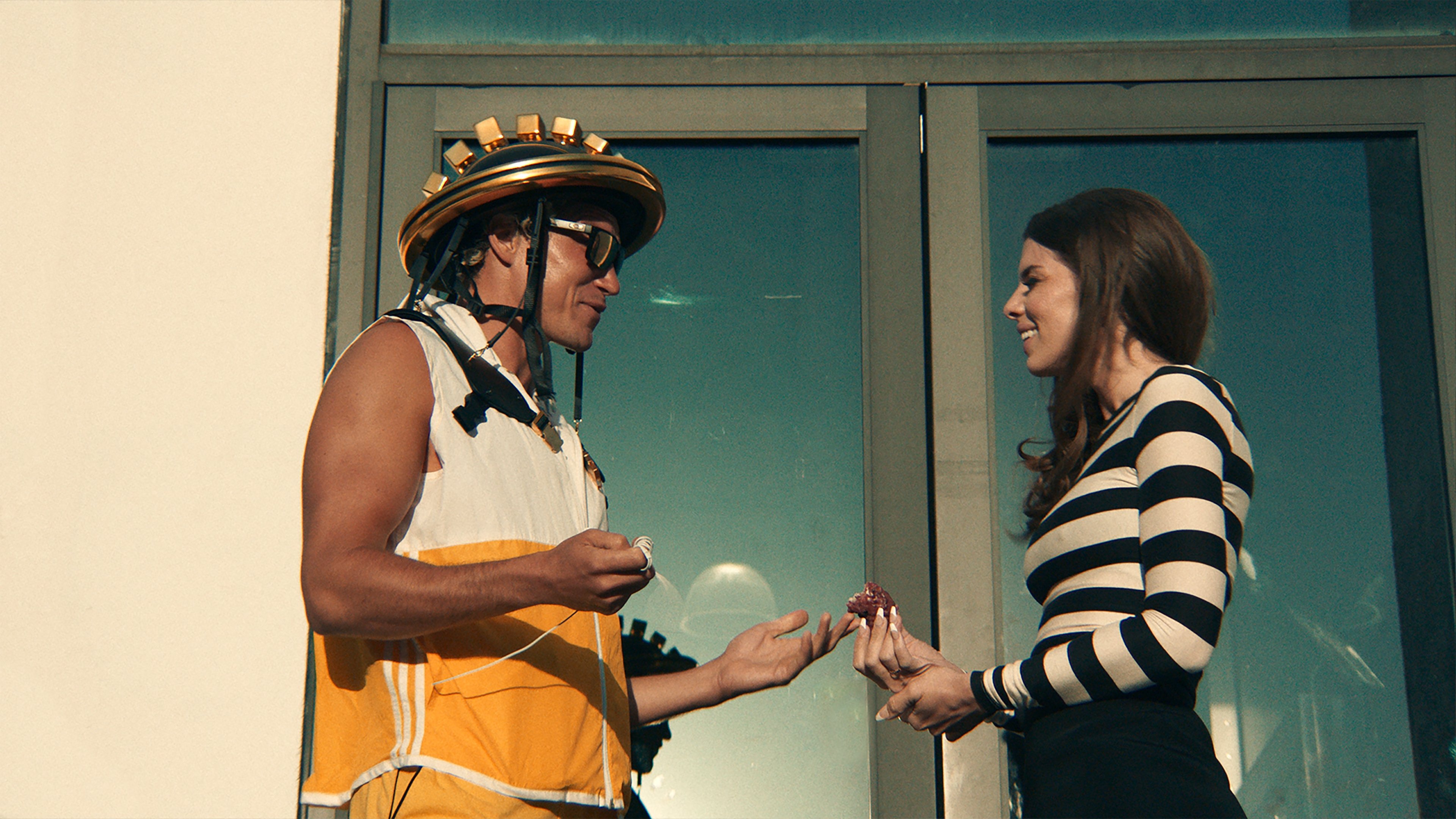
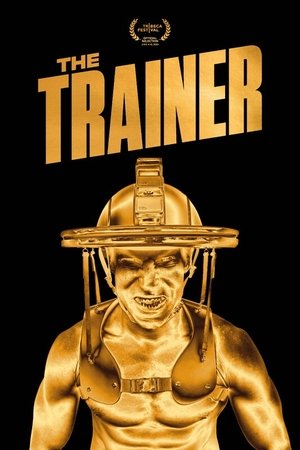


Jack Flex is broke, buff, and wildly delusional—but he’s got a dream: to sell his absurd invention, the Heavy Hat, on his mom’s favorite shopping channel. When a desperate producer gives him a shot, Jack’s web of lies—celebrity clients, Hollywood fame—starts to unravel. With just one week to turn fiction into fact, he sprints through L.A. in a chaotic quest for credibility, hope, and a shot at stardom.
Ralph and Vanellope unpack lots of surprises for those who love going on the Internet.
It was always people for Joe, and he ultimately found them at the end of a long, painful, yet illuminating quest for self-discovery outside of one, confident constant - his bisexuality.
Miley Cyrus shares her struggles as a songstress with a young audience, all while staying upbeat for the Disney brand.
'Bodies Bodies Bodies', the latest from indie powerhouse studio A24, is a great time. Full of dark comedy laughs, great performances, and genuine scares, it's a perfect addition to modern slasher classics.
Based on the fairy character from previous movies, this fantasy movie gives viewers magic.
The “gay best friend”, an age-old trope, has been done in countless films and television series. Ranging from one-note (Sex and the City's Stanford and Mario) to nuanced (Unbreakable Kimmy Schmidt's Tituss), the gay best friend exists to support and advise the main protagonist, with their conflicts swept to the side.