








Sweet Girl's Mind-Boggling Twist Makes the Movie... Feminist
For the most part, 'Sweet Girl' recycles tired hyper masculine revenge tropes, but a surprise twist in the end turns it into a female-centric revenge film.
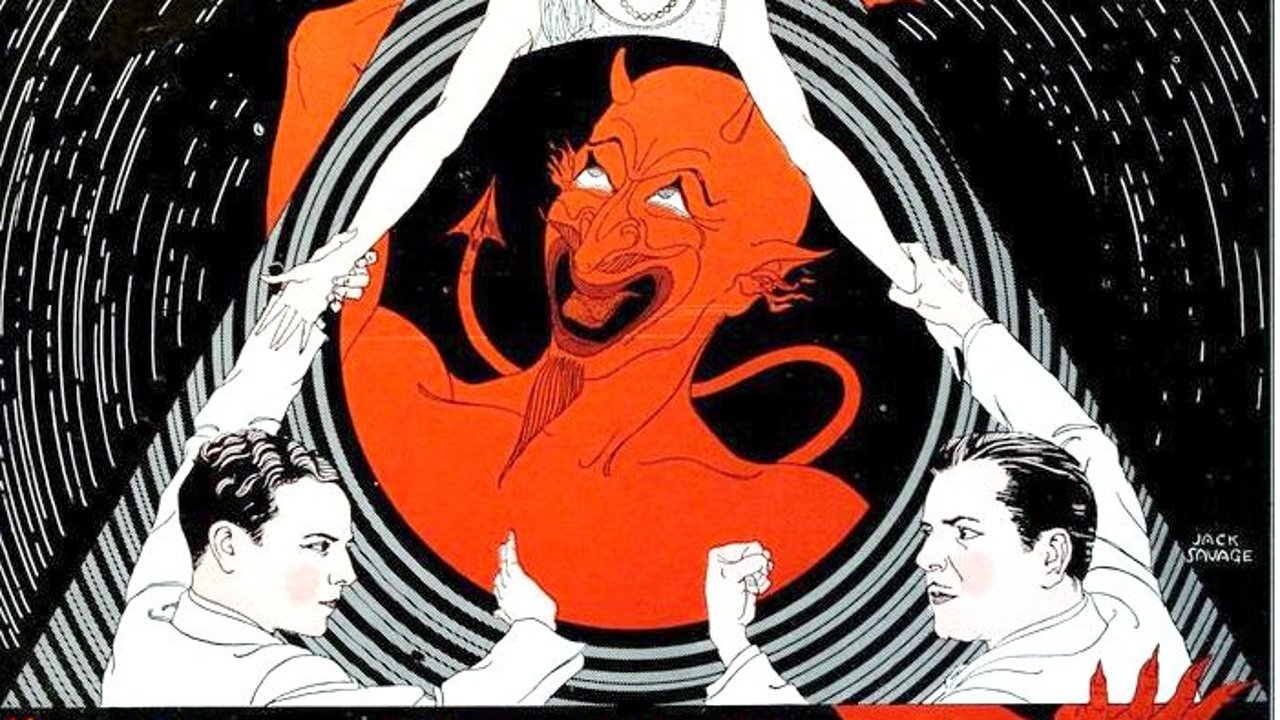
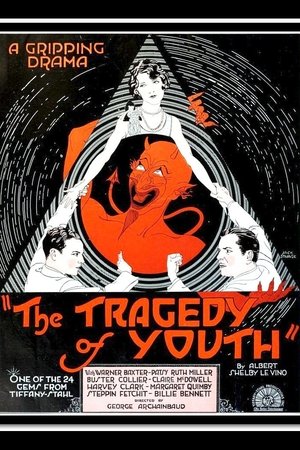


Neglected by shallow husband Dick, young bride Paula Wayne seeks male companionship outside the marital nest. She soon finds it in the form of mature lover Frank Gordon. Lost film.
For the most part, 'Sweet Girl' recycles tired hyper masculine revenge tropes, but a surprise twist in the end turns it into a female-centric revenge film.
Standing up for what's right, she's met with miraculous results. She takes charge of her own destiny.
Netflix’s new comedy drama, Don’t Say Good Luck, is a heartwarming tearjerker as well as a love letter to the transformative power of being a theater kid. Directed by Julia Hart, Don’t Say Good Luck follows Sophie (Sunny Sandler), a theater kid who finally gets the lead role in her school’s production of Waitress - just as she finds out her mom Elizabeth (Melanie Lynskey) is dying of cancer. While the singing is by no means spectacular and Sandler’s acting is stiff, the film is grounded in the moving performance of Lynskey as a mother who wants nothing more than for her daughter to achieve her dreams, even if she can’t be there to see them.
Despite its aggressiveness, the Beef anthology series is about romantic love in all its forms. The final scene of the first season led us to believe that, despite the conflict, drama, and toxic traits, the main characters would end up together and, most likely, live happily ever after. The whole “beef” plot was the prelude to their love story.
One of the great achievements of this film is its ability to challenge the mind and to force you to try to process information in a different way than you’re used to.
Coralie Fargeat once said that “Being a woman is body horror,” and when you think about the ways we are taught to experience our own bodies, it becomes almost impossible to argue with her.