
Monster (2023): When the Truth Is Not in the Telling but in the Seeing
Not every silence is empty. Some are filled with things too heavy for words.
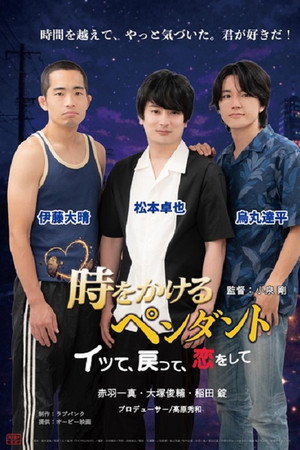


Yuma and Saku discover a mysterious pendant that suddenly sends them back in time to 1990. There they meet the younger version of a gay bar owner whose life was shaped by a devastating heartbreak. After hearing his story, Yuma becomes convinced that if they can change the past, the man might avoid the tragedy that shaped his future. As the two travelers move between past and present, they confront the realities of life for gay men in different eras and question whether altering history can truly change love and destiny. The story mixes time-travel fantasy with erotic encounters typical of the pink-film genre while reflecting on missed chances, queer history, and the difficulty of rewriting the past.
Not every silence is empty. Some are filled with things too heavy for words.
Battles will come and go and queer people do die for their identity and fights for rights, but that doesn’t mean the gays don’t deserve their happy endings in stories.
Where we leave the characters is in such a peaceful and optimistic place. It feels well-earned to ensure everyone gets their own specially-crafted happy ending.
‘Killers of the Flower Moon’ is preoccupied with plot and not on the greater struggle of the Osage.
True crime media is notoriously obsessed with the “missing white woman” trope, and yet the vast majority of American murder victims are male, and well over half are people of color.
In the shadow of towering film production companies lived dozens of grindhouses, genres, and low-budget films deemed too “unclean” for the modern film audience.