




"Elio" and What Could Have Been
Elio could be seen as fantastic piece of representation, showing lonely children who feel ostracized that they are not alone. That is, unless you look behind the curtain.
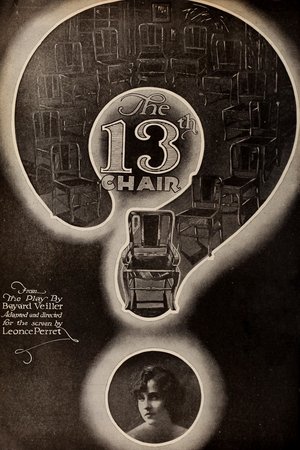


Mrs. Philip Mason commits suicide after she has an affair with Stephen Lee, a disreputable stockbroker, and sells her husband's securities so that Lee can buy stocks. When Lee goes bankrupt, he blackmails Helen Trent by threatening to reveal silly love letters she wrote to him before she married. Her brother, Willy Grosby, and his fiancée, Helen O'Neil, who lives with the Grosbys, go to retrieve the letters. While Willy waits outside, Lee is knifed to death as he attacks Helen. Lee's friend, Edward Wales, attempts to pin the murder on Helen by having Madame LaFarge, a clairvoyant, conduct a séance. In the darkened room, Wales, through whom Lee's spirit supposedly speaks, is about to name Helen as the murderer, but Wales, who sits in the thirteenth chair, is himself murdered. After Helen confesses to Inspector Donohue that Madame LaFarge is her mother, LaFarge, while conducting another séance, tricks Philip Mason into confessing to the murders.
Elio could be seen as fantastic piece of representation, showing lonely children who feel ostracized that they are not alone. That is, unless you look behind the curtain.
An apocalyptic tale captivates the nation as it teaches us to love even in the hardest situations.
Animation as a medium of storytelling can be thought to be open to all ages and as I hope my readings will reveal, they could be interpreted as transgender stories.
“It's not ghosts. It's not supernatural. It's... It's America. And it's everywhere.”