



Incluvie – Better diversity in movies.
Identity in film with Incluvie stamps, scores, reviews.

Incluvie – Better diversity in movies.
Explore identity in film with Incluvie stamps, scores, reviews, and insights.

trailer banner
The Third Part of the Third Measure poster

The Third Part of the Third Measure 

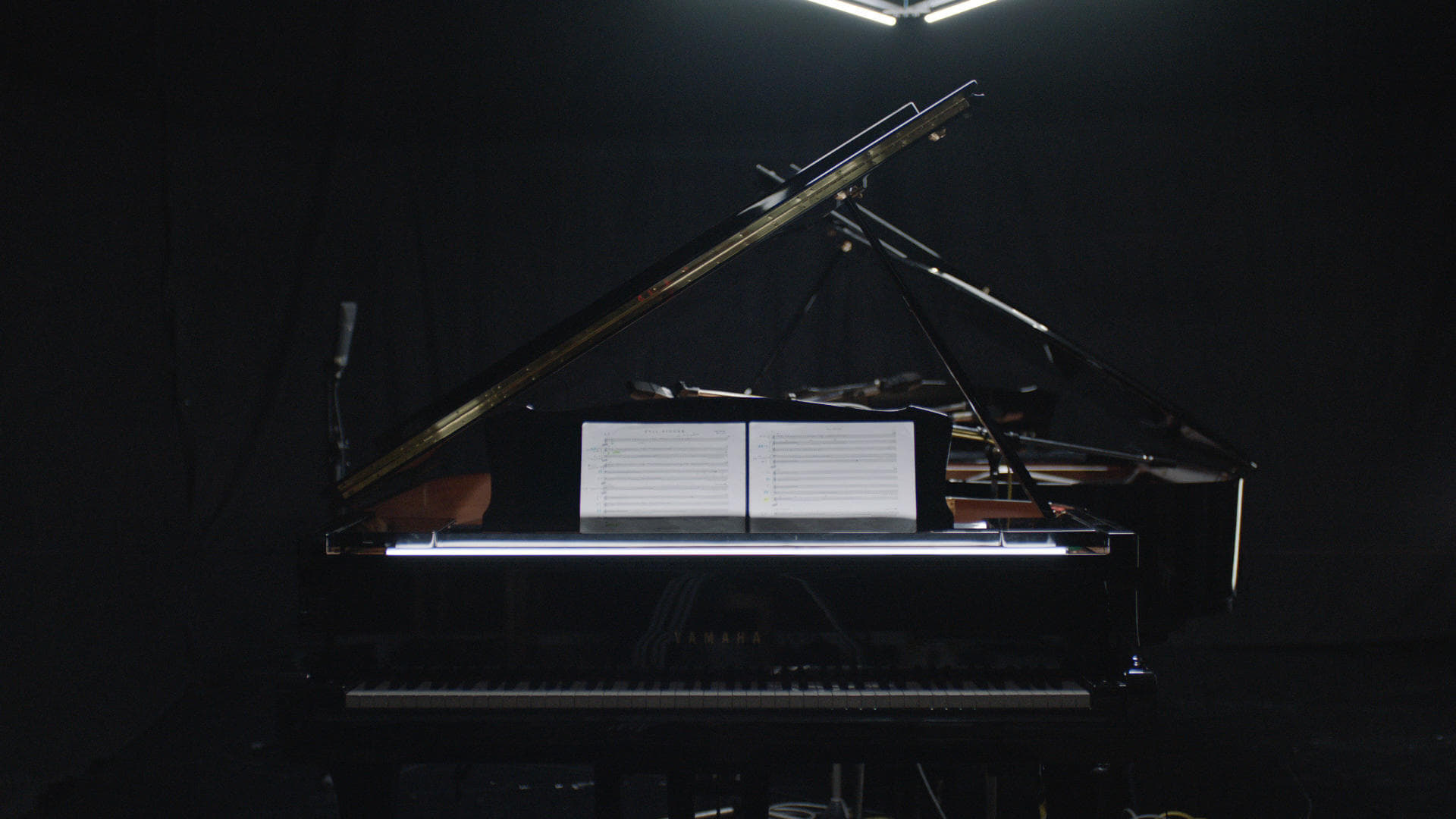
The Third Part of the Third Measure creates an encounter with the militant minimalism of black avant-garde queer composer, pianist and vocalist Julius Eastman. The film focuses on what The Otolith Group describe as ‘an experience of watching in the key of listening’, invoking political feelings of defiance and the collective practice of movement building that participates in the global struggles against neoreactionary authoritarianism. The Third Part of the Third Measure invites viewers to attend to exemplary ecstatic aesthetics of black radicalism that Eastman himself once described as ‘full of honour, integrity and boundless courage’.
- / 5
PopScore
Representation

Pictures and Videos


Incluvie Gala

Movie Information


The Third Part of the Third Measure creates an encounter with the militant minimalism of black avant-garde queer composer, pianist and vocalist Julius Eastman. The film focuses on what The Otolith Group describe as ‘an experience of watching in the key of listening’, invoking political feelings of defiance and the collective practice of movement building that participates in the global struggles against neoreactionary authoritarianism. The Third Part of the Third Measure invites viewers to attend to exemplary ecstatic aesthetics of black radicalism that Eastman himself once described as ‘full of honour, integrity and boundless courage’.

Rating:
Genre:Music
Written By:
In Theaters:
Box Office:

Runtime:50 minutes
Studio:Institute of Contemporary Art, Philadelphia, Sharjah Biennial 13

Articles You May Like


Game of Thrones Retrospective: No One Wants to Sit on the Throne Anymore

It took writers D.B Weiss and David Benioff two years to give us a promising final season. Two. Years. It was just going to be six episodes, which was short considering that all the other seasons — except season 7 — were 10 episodes. 10. 6 wasn’t enough, and even HBO wanted to give the writers more episodes. More seasons, even. However, the writers wanted to get out of the show as quickly as possible to work on other projects. This abruptness is clearly shown in this season.

Incluvie Writer

Mississippi Masala: A Romance that Interrogates Racism from Within and Without

Some people’s first introduction to Mira Nair might be as New York mayor Zohran Mamdani’s mom. But with her insightful direction of 1991’s Mississippi Masala, Nair shows how much she deserves to be known as an artist. Delivering a nuanced portrait of a romance between a Black man and an Indian woman living in the South, Nair explores the complications each character faces, giving both equal weight.

Andrea Kreidler