



Writing Great Villains: Why They Shouldn't Be Sympathetic
Writing great villains is about striking a balance between charming and evil, so we love them but also love to see them lose.
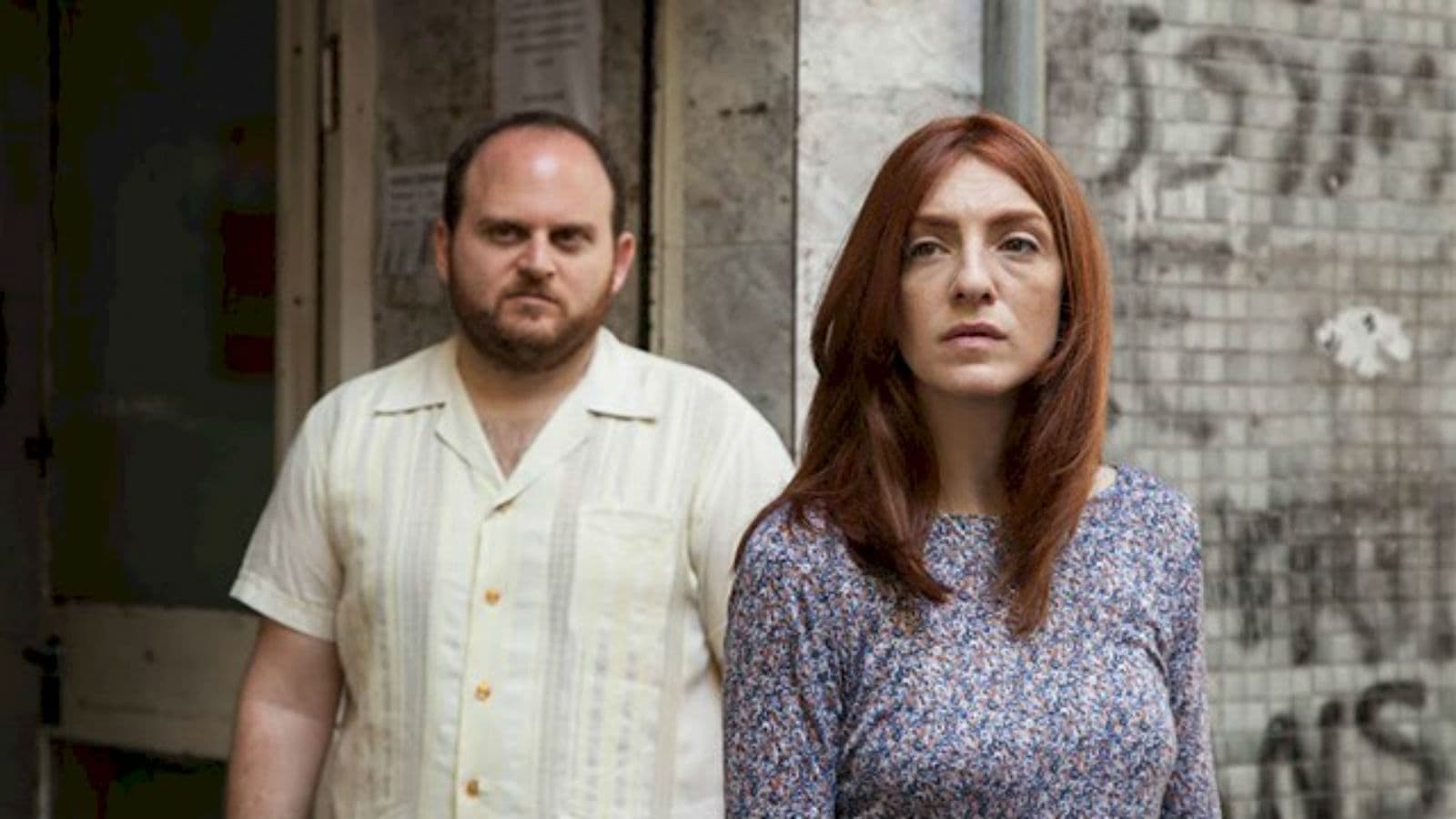
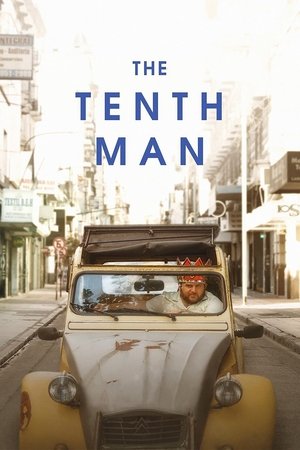


After many years away, Ariel is summoned by his distant father to his childhood home in the bustling Jewish quarter of Buenos Aires, known as El Once. Over the course of seven days, during the vibrant holiday of Purim, Ariel seeks to reconnect with his father, who runs a Jewish charity and is regarded as a big macher in the close-knit community, but was frequently absent due to his obligation to fulfill the Jewish quorum of having 10 men present at all funerals.
Writing great villains is about striking a balance between charming and evil, so we love them but also love to see them lose.
If you enjoy Japanese cinema, absurdly violent action films, gangster flicks, or joyfully strange cinema, 'Why Don’t You Play in Hell?' is a must-see.
'Run This Town' takes an unflinching look at the Rob Ford scandal that shook Toronto to its core while using fictional millennials to drive a concise story .
When a powerful church leader is found dead, Benoit Blanc enters a tight-knit community where everyone has secrets, but not everyone is fully developed.
"Warrior" is a Bruce Lee written and inspired story that follows a diverse cast of Chinese American characters and does a terrific job of setting the story in 1878 San Francisco - all without pulling their punches with the systemic racism, discrimination, and struggle for power that old and young immigrants that crossed the country at that time had to go through.
With The Father, writer-director Florian Zeller- who wrote and developed the play upon which the film is based- pulls no punches as he confidently makes every effort to put the audience in the mind of someone whose grip on reality has all but vanished. It’s a dazzling testament to Zeller’s abilities as a director as he makes his first transition from stage to film appear as if he’s been working behind a camera his entire career. The dialogue he fashions with co-writer Christopher Hampton, along with the work of production designers Peter Francis and Cathy Featherstone, collectively makes the downward spiral of dementia startlingly tangible, doing so in a way that can be comprehended by everyone except the person it directly affects.