






What Does a Sympathetic Portrayal of Sexual Assault on Screen Look Like?
As Sexual Assault Awareness Month comes to an end, I’d like to urge viewers and filmmakers to take a long and hard look at how rape is portrayed on screen.
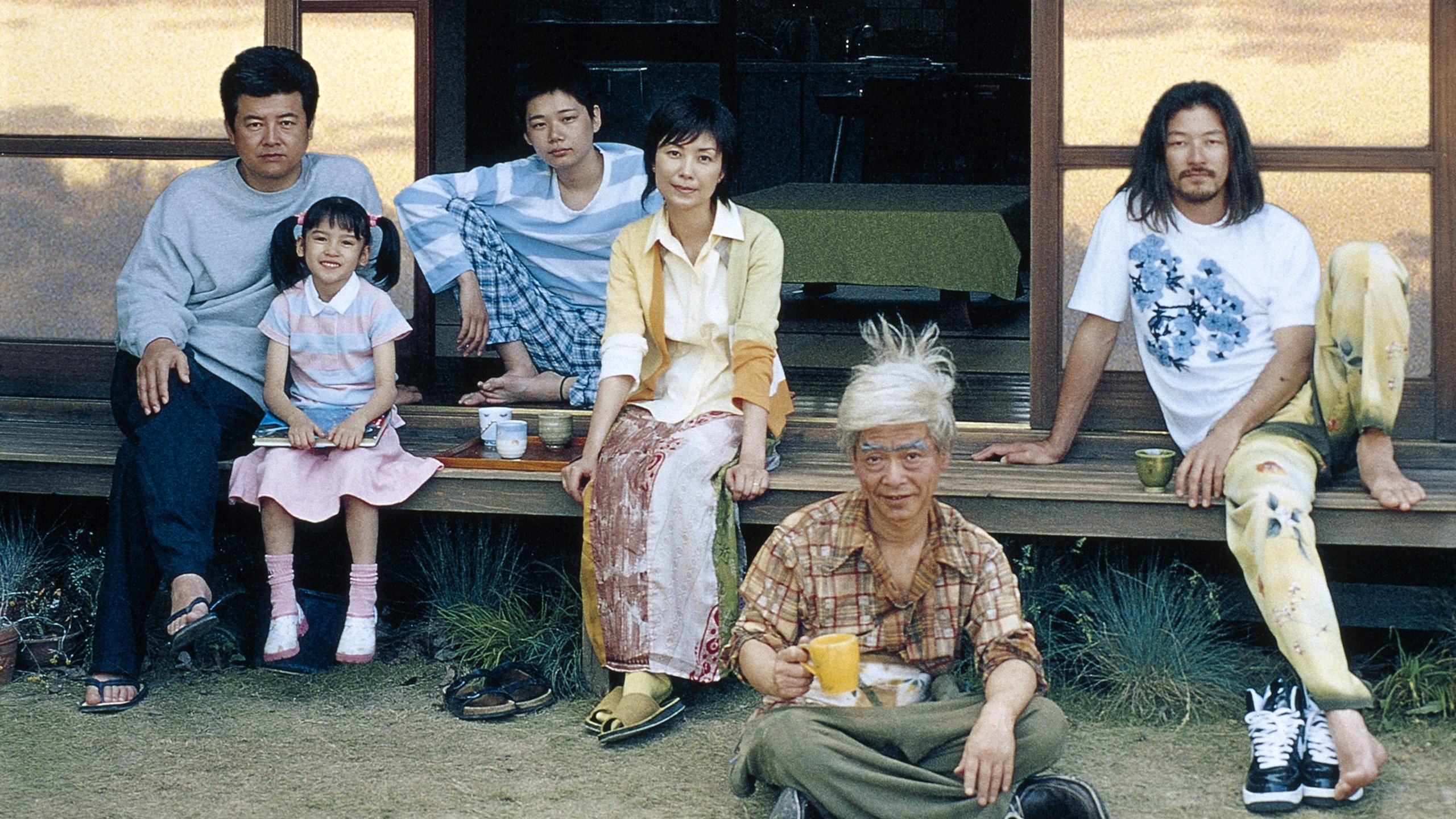
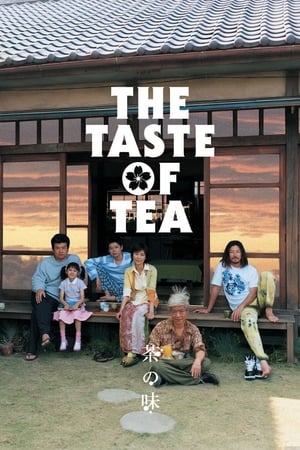


A spell of time in the life of the five-piece Haruno family in rural Tochigi Prefecture. Yoshiko is not an ordinary housewife, instead working on an animated film project. Uncle Ayano, a successful music producer, is looking to get his head together after living in Tokyo. Meanwhile, Sachiko is concerned with why she seems to be followed by a giant version of herself. As the lazy days pass by, each member of the family is followed in a series of episodic vignettes.
As Sexual Assault Awareness Month comes to an end, I’d like to urge viewers and filmmakers to take a long and hard look at how rape is portrayed on screen.
If you’ve been itching for a sign to finally go on that unforgettable summer camping trip, this is it.
We have a long way to go with LGBT representation in film, especially when it comes to LGBT characters of color and trans characters.
Disney has cleverly managed to dance around the misdeeds of their past by scraping by with an insincere action that does very little to incite any long-lasting positive changes.
It took writers D.B Weiss and David Benioff two years to give us a promising final season. Two. Years. It was just going to be six episodes, which was short considering that all the other seasons — except season 7 — were 10 episodes. 10. 6 wasn’t enough, and even HBO wanted to give the writers more episodes. More seasons, even. However, the writers wanted to get out of the show as quickly as possible to work on other projects. This abruptness is clearly shown in this season.
Suppressed intergenerational family trauma and healing, warm welcome to the Marvel Cinematic Universe team, and Awkwafina's humor really make this film the real MVP.