
Escaping Doppelgangers: "Coraline" Serves Up Adventure in a Parallel World
This delightfully odd horror movie presents a whimsically strange alternate reality to younger audiences.
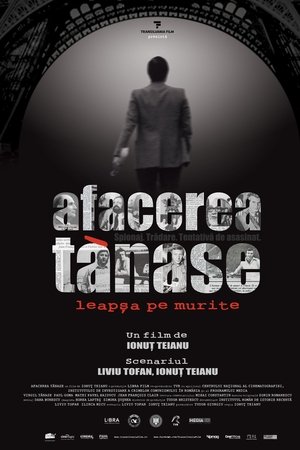


In 1982, the newly elected President of France, François Mitterrand, clashes with the Romanian dictator Nicolae Ceaucescu in a spy story worthy of a detective novel, a conflict during the Cold War and a hidden struggle in which the secret services of both countries, the French DST and the Romanian Securitate, were involved. In 1982, Ceaucescu orders one of his agents to assassinate two Romanian dissidents living in Paris, the writers Virgil Tanase and Paul Goma, French citizens. But instead of carrying out this order, the Securitate agent Matei Haiducu, alias Matthieu Forestier, went directly to report him to the DST.
This delightfully odd horror movie presents a whimsically strange alternate reality to younger audiences.
I can say without question, that this is the first movie I’ve ever seen where art imitates life so much that I could 100% identify with it on a personal level. The predominately Black cast of characters are people with hopes, dreams, fears, and ambitions.
'Ms. Davis’ Close Friend' will make you think about the meaning of death and what it means to be alive, and if there’s really a race to be run with one's inevitable demise.
Have a Good Trip offers a rather balanced look at psychedelic use. While its main narrative is the stories of recreational use by celebrities, it does delve into the medical history of psychedelics and its use in psychotherapy.
Bollywood's new superhero universe is a romantic, fantasy, and action-packed journey of a young warrior who rises to save the world with superpowers.
At least we got the original cast back, right? Not even that saves it. None of them could bring a sliver of hope to this special. Rather, they bring dread as we witness the light leaving from their eyes.