The Ultimate North Shore Dream in Blue Crush
If you want to feel the rush, you have to take the risk.




The story is set in the early 21st century with the population decimated by bio terror. Two kinds of humans now exist. One is the Nokusu who were infected with a virus but survived and consequently they carry an antibody. Most are young, healthy and have high intelligence, but they have a high sensitivity to ultraviolet rays and are active mostly during the night. The other group are the Kyurio. They survived by never having the virus. The Nokusu discriminates against the Kyurio. Tetsuhiko Okudera is a Kyurio. He was born in a poor village. He isn't happy with being a Kyurio and wishes he could be a Nokusu. Yui Ikuta is Tetsuhiko’s childhood friend. She tries to revive the poor village.
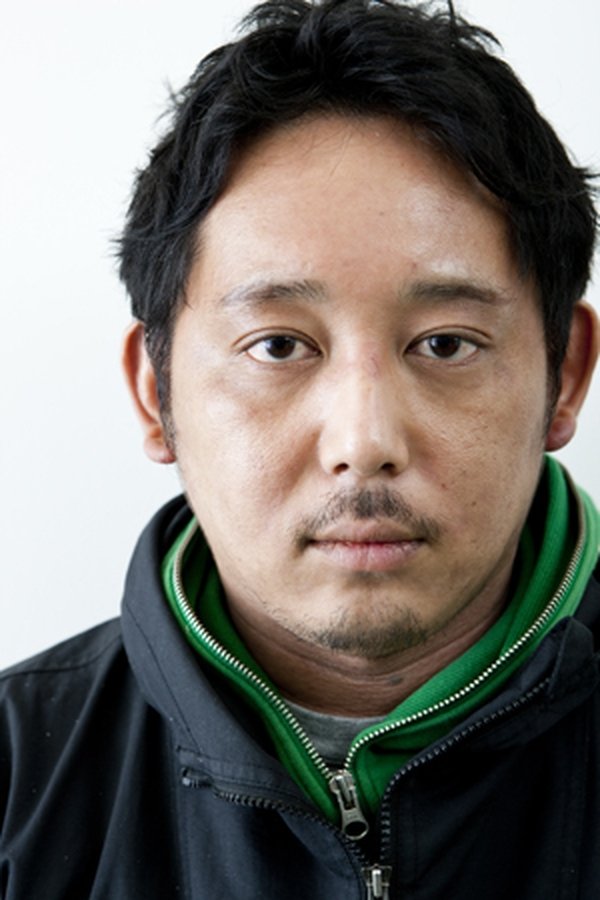
Yu Irie
Director

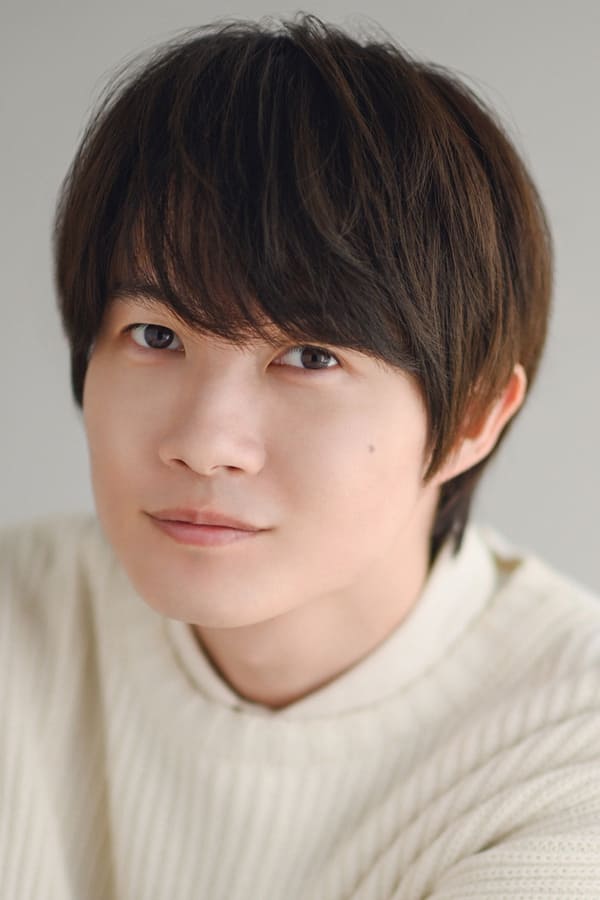
Ryunosuke Kamiki
Tetsuhiko Okudera

Mugi Kadowaki
Yui Ikuta
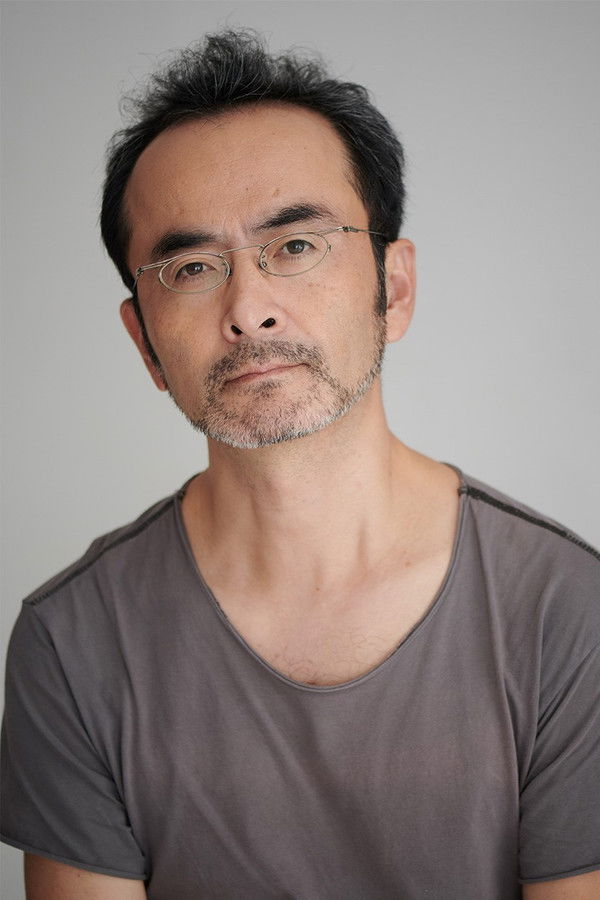
Kanji Furutachi
Soichi Ikuta
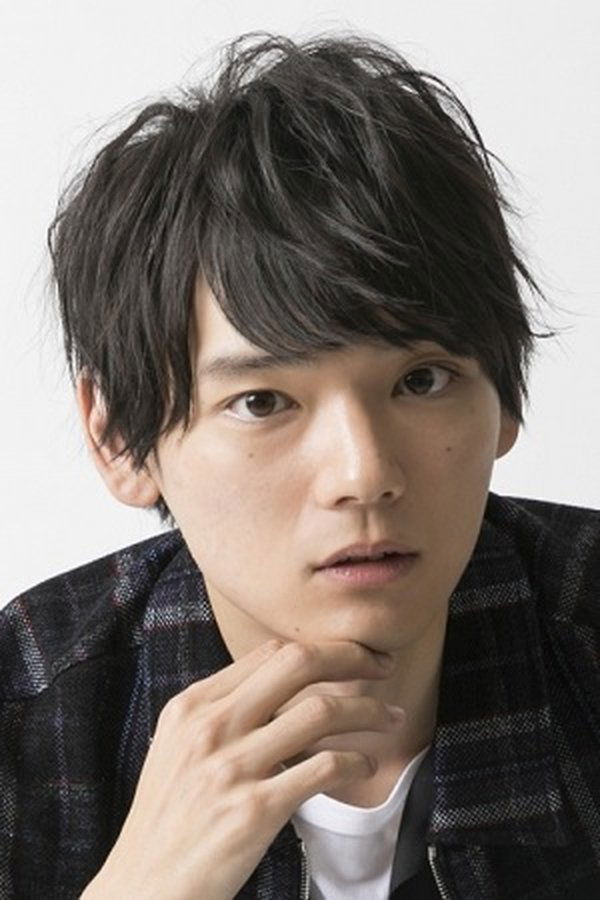
Yuki Furukawa
Fujita Morishige
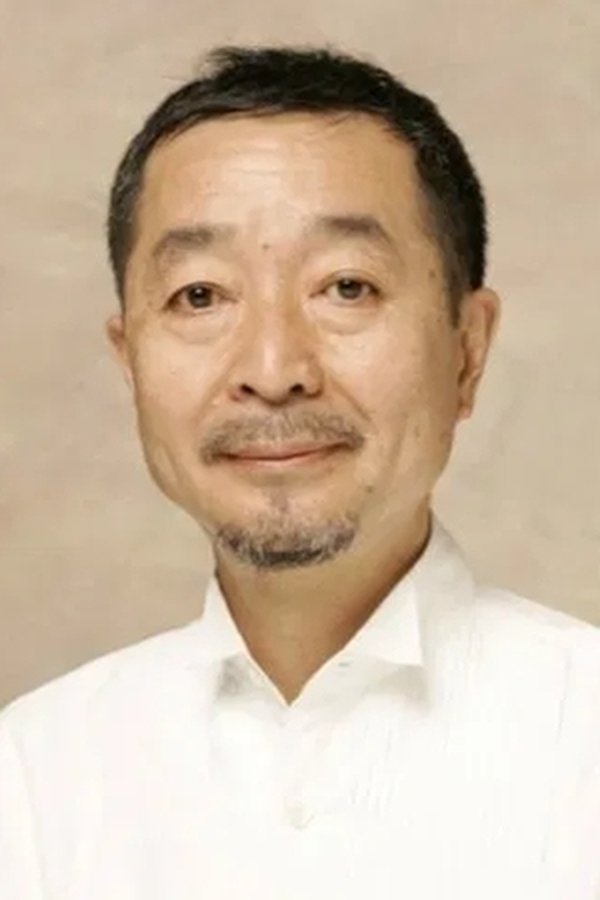
Toshiki Ayata
Yukio Sasaki
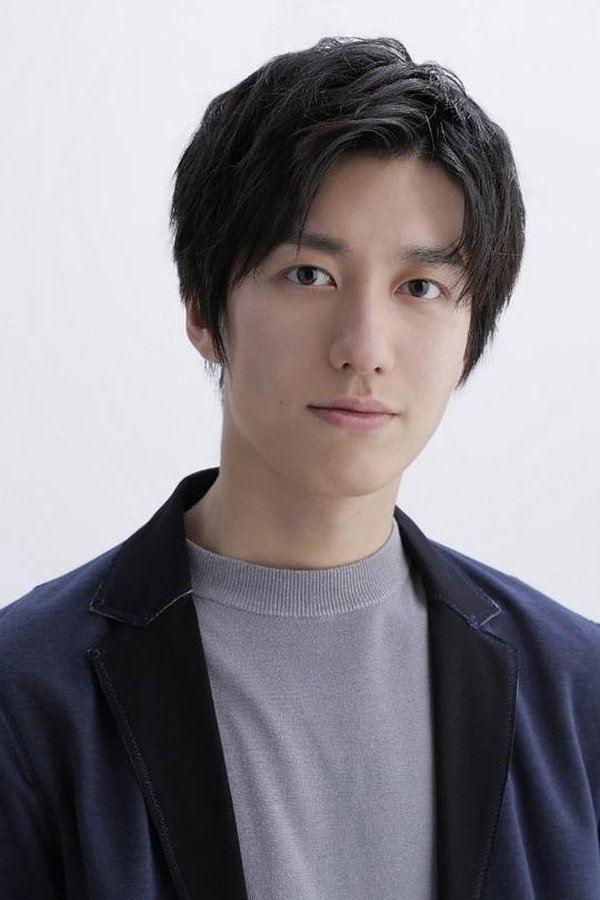
Kouki Mizuta
Takumi Sasaki

Kazuya Takahashi
Yoji Kaneda

Yōko Moriguchi
Reiko Soga

Jun Murakami
Katsuya Okudera
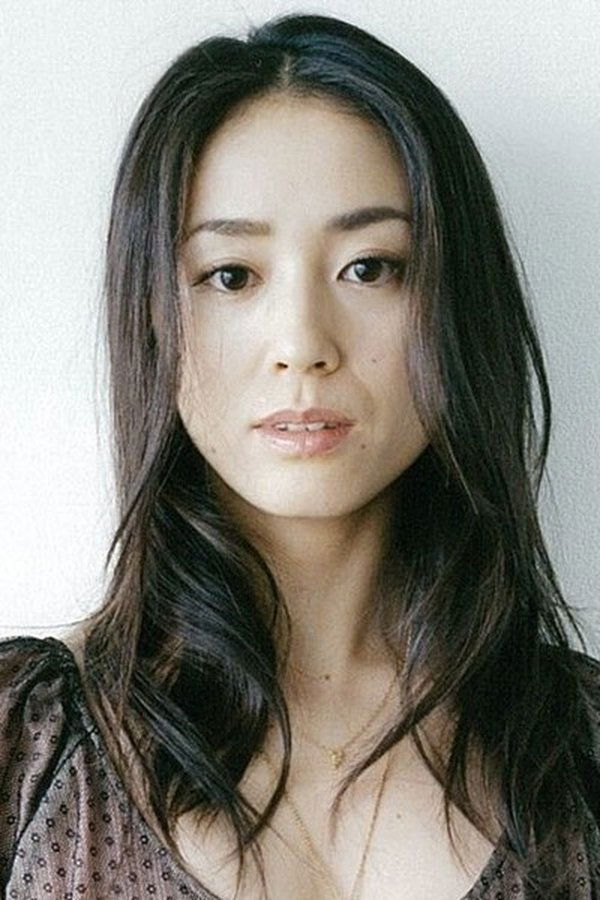
Yuko Nakamura
Junko Okudera
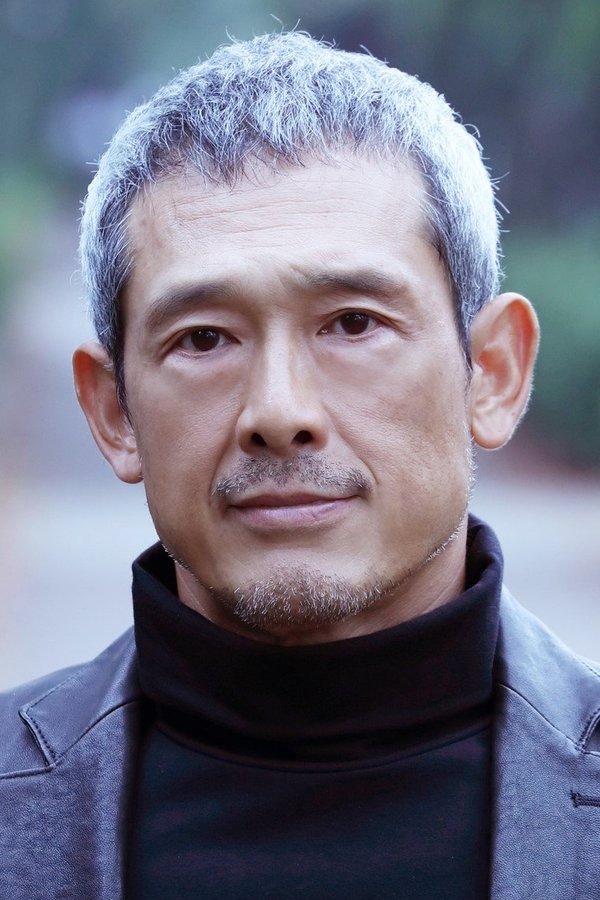
Shingo Tsurumi
Seiji Soga
If you want to feel the rush, you have to take the risk.
Eddington attempts to capture how media is intertwined with the uncomfortable present.
The 'Shaft' remake fails to capture Blaxpoitation's rebellious spirit.
Black Christmas movies are few and far in between to find — so it is wonderful to see more representation on the screen just in time
I first saw Dear Evan Hansen on the Broadway stage. Apparently, I was so blown away by the magic of theater that I didn’t pick up on the questionable dynamics. The story's clumsy handling in the movie brought those issues to light.
How do zombie films shine new light in the post-Covid and post-Brexit era?