
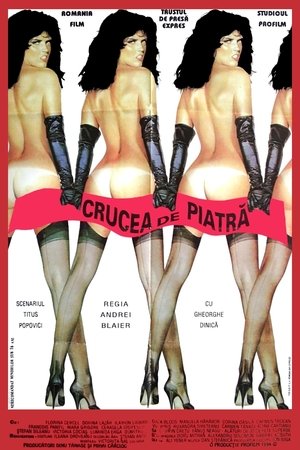
The Stone Cross
Andrei Blaier's film catches the last days of The Stone Cross a low class brothels area that became some kind of an institution in the landscape of Bucharest before the Communist period, doomed to destruction under the new rules of proletarian morals that the Communists were trying to impose. The idea could be the start of a great film, with the prostitution being seen not so much from its destructive and exploitation perspective, but rather as a form of freedom in a time when the whole society was falling under the rule of propaganda, hypocrisy, and repression. In a world due to fall under tyranny for the coming decades prostitution becomes a metaphor of the old more free way of life.

- / 5
PopScore
Representation
Pictures and Videos

Movie Information
Andrei Blaier's film catches the last days of The Stone Cross a low class brothels area that became some kind of an institution in the landscape of Bucharest before the Communist period, doomed to destruction under the new rules of proletarian morals that the Communists were trying to impose. The idea could be the start of a great film, with the prostitution being seen not so much from its destructive and exploitation perspective, but rather as a form of freedom in a time when the whole society was falling under the rule of propaganda, hypocrisy, and repression. In a world due to fall under tyranny for the coming decades prostitution becomes a metaphor of the old more free way of life.
Rating:
Genre:Comedy, Drama
Written By:Titus Popovici
In Theaters:
Box Office:
Runtime:96 minutes
Studio:Studioul de Creatie "Profilm"
Cast













Articles You May Like
Halle Sings Her Heart Out in ‘The Little Mermaid’ But Ursula Gets ‘Drag’ged Without Nuance
Disney's live-action remake is vibrant and beautiful, with updated music and classic enthusiasm, but it fails to push the envelope and provide nuance for Ursula.
'Bodies Bodies Bodies' Is Easily A New Addition To Modern Slasher Classics
'Bodies Bodies Bodies', the latest from indie powerhouse studio A24, is a great time. Full of dark comedy laughs, great performances, and genuine scares, it's a perfect addition to modern slasher classics.
'Luther: The Fallen Sun', Idris Elba’s Netflix Vehicle, Fails to Make the Point
By undermining the appeal and credibility of black characters, the show compromises the very idea of diversity and representation it sets to promote.
It: Chapter Two Review: An Ambitious, Worthwhile Sequel
This is ambitious horror filmmaking, and in a lot of ways, I fully admire its ambitions. For me, the film’s sloppiness defines its overall quality.
'Stranger Things' Season 4 Volume 2 Review
Clocking in at about four hours, Stranger Things season 4 volume 2 is the length of a double feature. Despite the length and the hype, the finale still falls short of expectations thanks to poor pacing, poor character choices, and poor diverse storytelling.