
Writing Great Villains: Why They Shouldn't Be Sympathetic
Writing great villains is about striking a balance between charming and evil, so we love them but also love to see them lose.
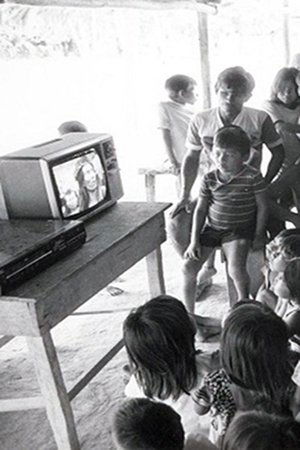


Beginning with the arrival by canoe of a TV and VCR in their village, The Spirit of TV documents the emotions and thoughts of the Waiãpi as they first encounter their own recorded images and those of others. Viewing news broadcasts and videos of other Brazilian native peoples, the Waiãpi see the power of images to facilitate memory preservation and political awareness. Some people worry, though about the invasive spirits of outsiders that can come through the TV. Another concern is the negative exposure that might result from the Waiãpi broadcasting their own images.
Writing great villains is about striking a balance between charming and evil, so we love them but also love to see them lose.
Overall, Altered Carbon: Resleeved is pretty “meh.” It’s cool and all that it takes a different approach from the TV show to make it animated rather than live action, but it doesn’t help that the animation looks like something from a video game.
Dead Poets Society relies on patriarchal tropes such as overbearing fathers, contrived brotherhood, and faux-individuality in order to portray its straight white male characters as oppressed.
Emily and Stephanie are back... just add gin and drama.
Yeah, sure, the movie’s about Carnage. But it’s really about love. A love that defies all odds: the love between a man and his man-eating alien symbiote.
Friendships are tested when two girls have a crush on the popular boy at school.