The Blues, and Two Contradictory Films That Claim It
Crossroads follows a young guitarist on a journey through the American South in search of blues history and his own voice.

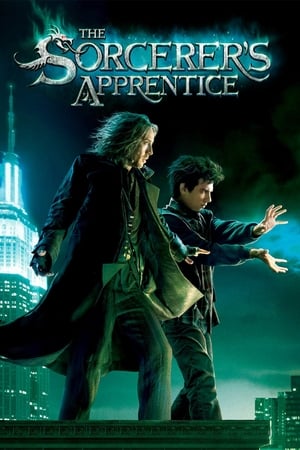


Balthazar Blake is a master sorcerer in modern-day Manhattan trying to defend the city from his arch-nemesis, Maxim Horvath. Balthazar can't do it alone, so he recruits Dave Stutler, a seemingly average guy who demonstrates hidden potential, as his reluctant protégé. The sorcerer gives his unwilling accomplice a crash course in the art and science of magic, and together, these unlikely partners work to stop the forces of darkness.
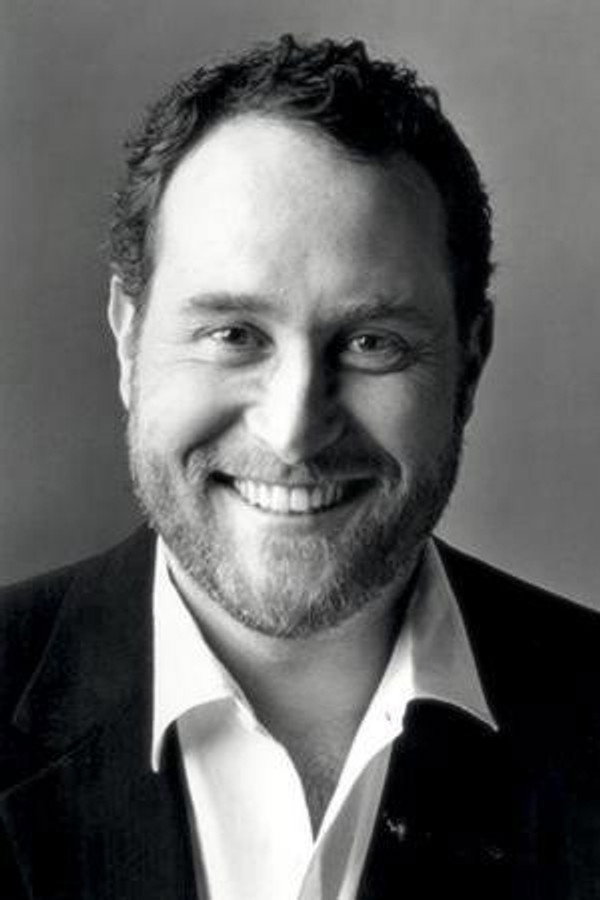
Jon Turteltaub
Director

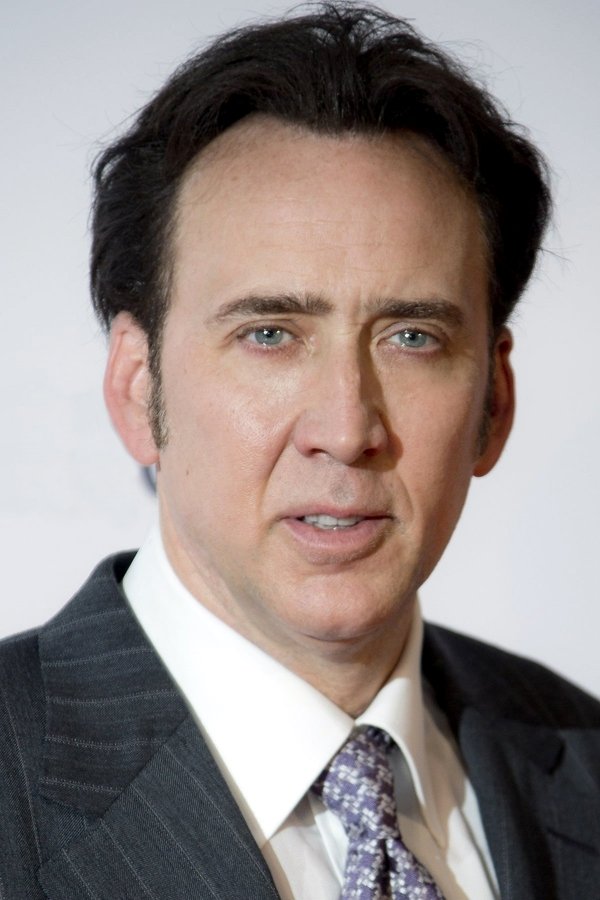
Nicolas Cage
Balthazar Blake

Jay Baruchel
David "Dave" Stutler
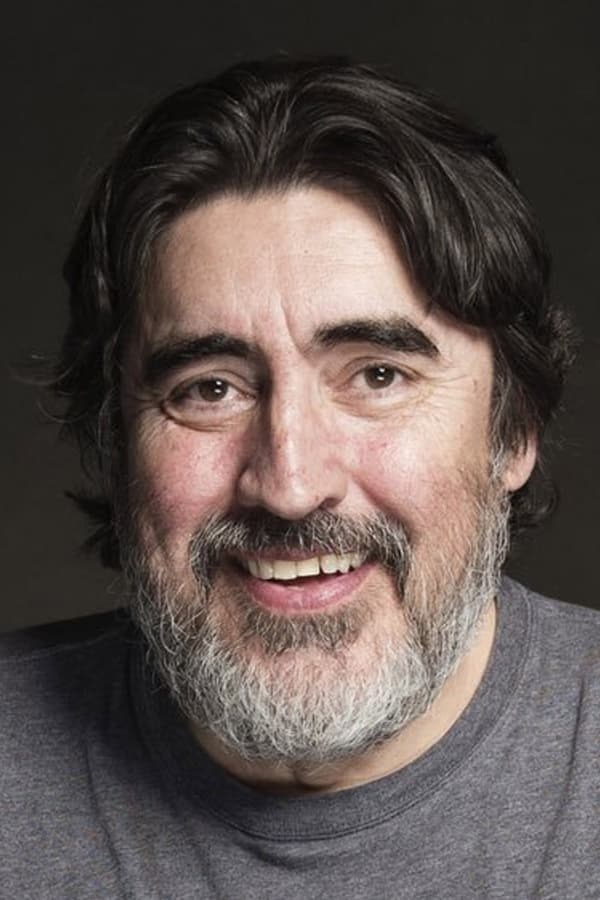
Alfred Molina
Maxim Horvath

Teresa Palmer
Rebecca "Becky" Barnes
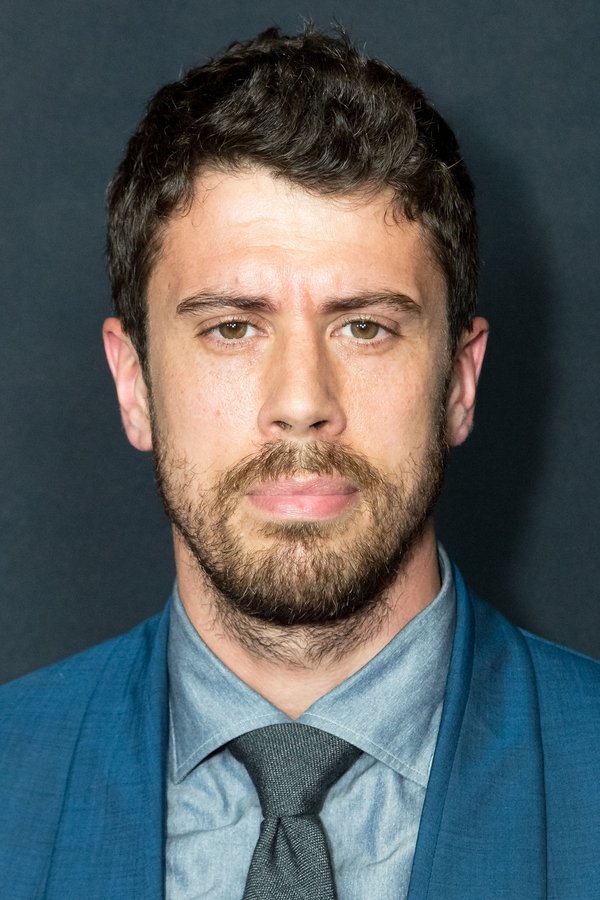
Toby Kebbell
Drake Stone

Omar Benson Miller
Bennet Zurrow
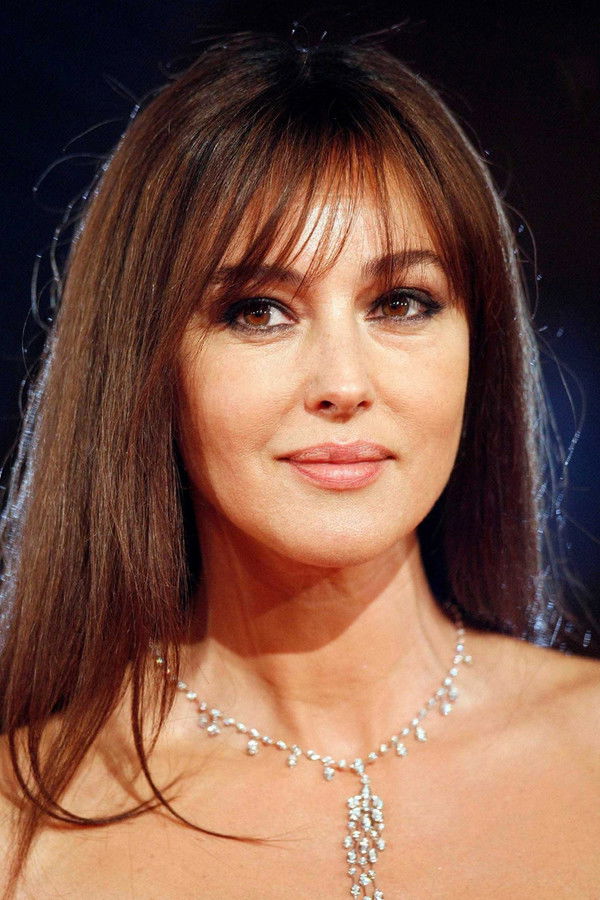
Monica Bellucci
Veronica Gorloisen
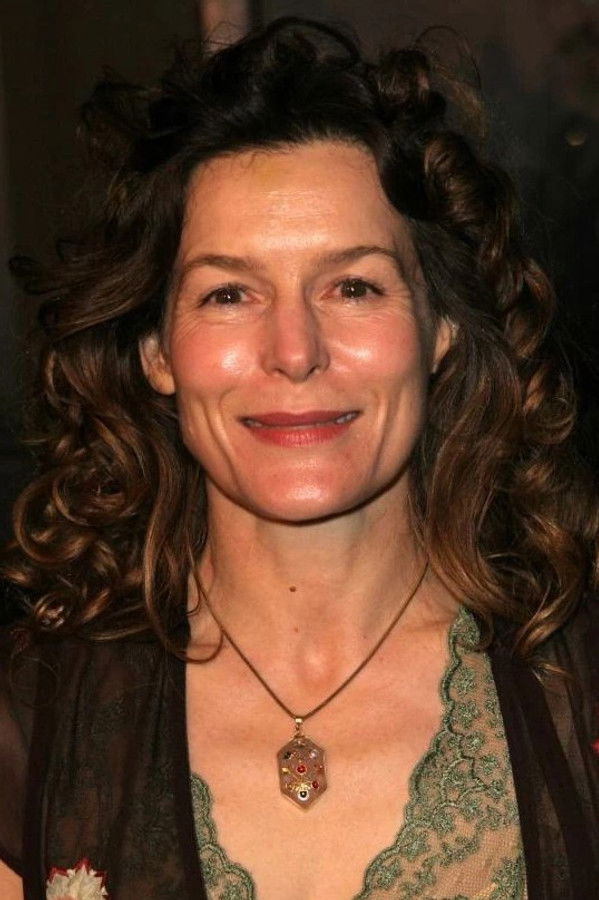
Alice Krige
Morgana le Fay

Robert Capron
Oliver
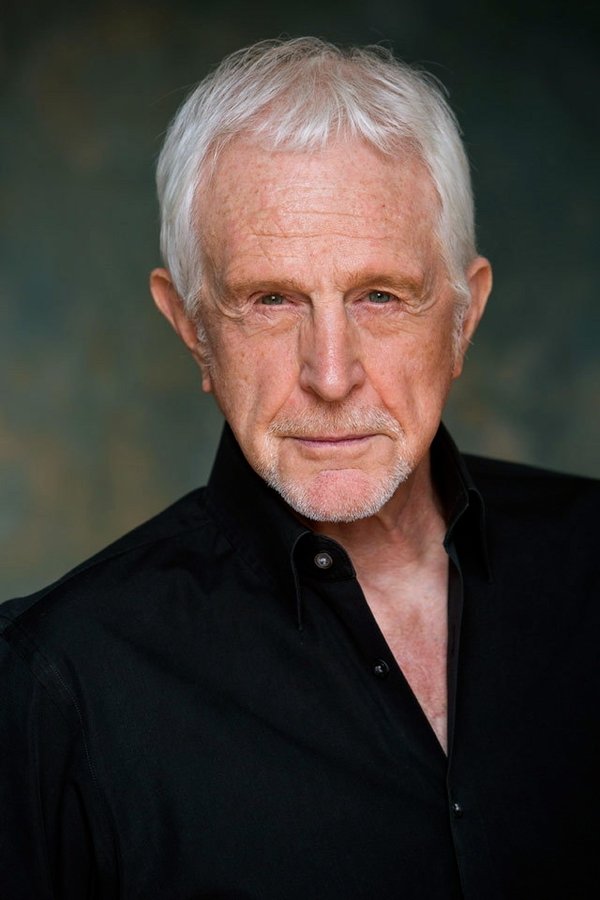
James A. Stephens
Merlin
Gregory Woo
Sun-Lok
Crossroads follows a young guitarist on a journey through the American South in search of blues history and his own voice.
The social issues The Half of it takes on are handled well, between the antagonization brought on to Ellie for her race and the conflict that arises from her being gay. Both aspects of her character are built up over the course of the film and don’t seem abrupt or rushed. The film shows racism towards Ellie and her and father in varying levels, from having her schoolmates specifically address her as "Chinese girl” to the fore mentioned way her Dad is treated due to language barriers. The same can be said about Ellie being a lesbian. While she never truly “comes out” in the narrative, that does not undermine her journey of self-discovery from being meaningful. These ideas aren’t thrust upon the viewer in a preachy manor, the scenarios that occur feel believable given the rural setting. The film presents watchers with problems whom those like Ellie may face, and leaves us to sit with them and reflect.
(Disclaimer: Harmful Language) In celebration of Pride Month, Father's Day, and father figures (and whoever supports you), I revisit Moonlight's brief but spectacular character, Juan. With overarching themes tied to masculinity, I reexamine his intimacy with Little.
In The Novelist's Film, Hong explores the meaningful things people share and inspire by virtue of simply engaging with one another.
The “gay best friend”, an age-old trope, has been done in countless films and television series. Ranging from one-note (Sex and the City's Stanford and Mario) to nuanced (Unbreakable Kimmy Schmidt's Tituss), the gay best friend exists to support and advise the main protagonist, with their conflicts swept to the side.
Disney has cleverly managed to dance around the misdeeds of their past by scraping by with an insincere action that does very little to incite any long-lasting positive changes.