“An American Pickle” Should Have Stayed in the Jar
Wacky antics ensue when a 100-year-old Jewish man wakes up from a pickled hibernation in the modern world.
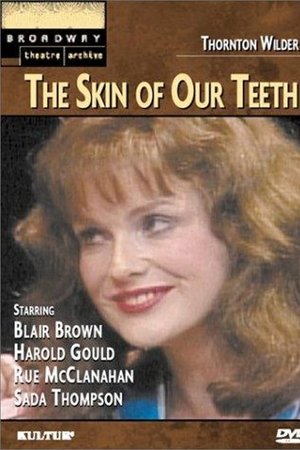


Production of Thornton Wilder's Pulitzer-winning play "The Skin of Our Teeth," the story of Mr. and Mrs. Antrobus, their children Henry and Gladys, and their maid Sabina. They are simultaneously a typical American family living in a present-day New Jersey suburb and are also Adam, Eve, Lilith, Cain and a daughter who survive the Ice Age (although their pet dinosaurs do not), the Flood (as in the book of Genesis in the Bible) and War (as in WWII).

Jack O'Brien
Director


Blair Brown
Sabina

Sada Thompson
Mrs. Antrobus
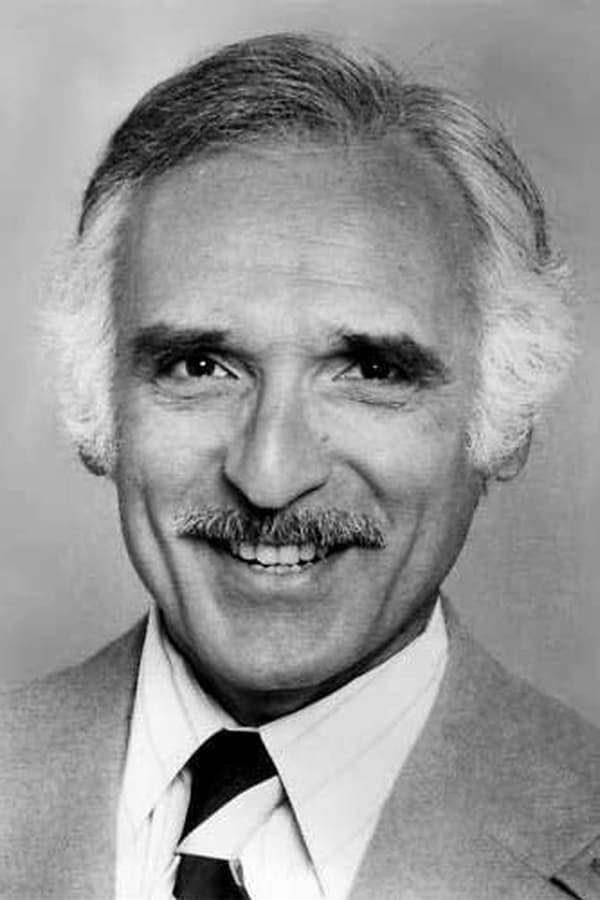
Harold Gould
Mr. Antrobus

Jeffrey Combs
Henry Antrobus
Monique Fowler
Gladys

Rue McClanahan
Fortune Teller
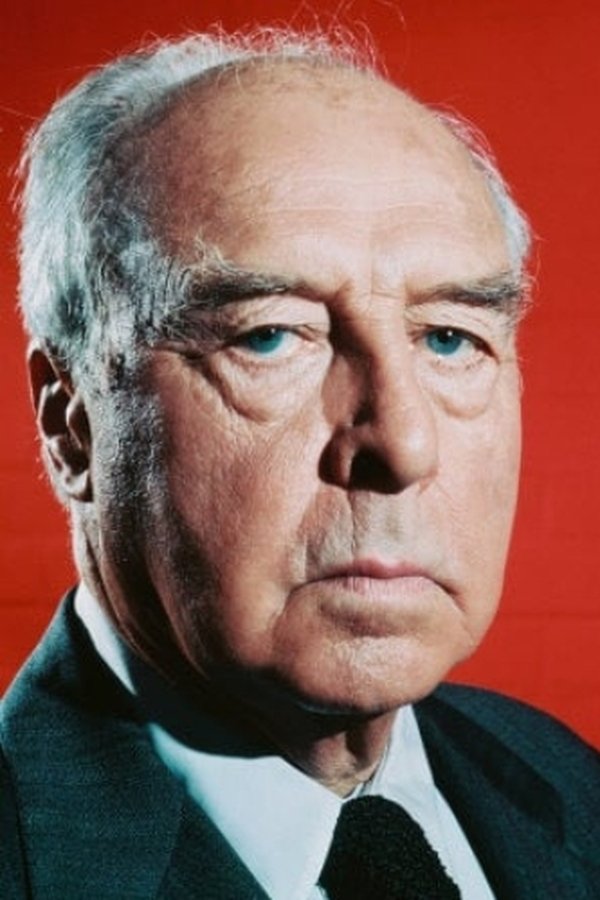
John Houseman
Network Newscaster

Diana Bellamy
Miss E. Muse / Ivy
Renee Brooks
Miss M. Muse / Showgirl
Bonnie Campbell-Britton
Miss T. Muse / Audio Person
Gary Dontzig
Telegraph Boy/Conveener
Wacky antics ensue when a 100-year-old Jewish man wakes up from a pickled hibernation in the modern world.
Some moments of the series are intense and ends on a cliff-hanger that will have you yearning for a second season.
Make way for more Latine representation! Disney has released a toe-tapping musical trailer for "Encanto", which features more diversity than expected!
I highly recommend Kill Bill: Volume 2. In classic Tarantino fashion, specific sections of the film are a tad too long, but overall, it’s a wonderful piece of escapist fiction.
A complex, realistic, and loving mother-daughter relationship is at the heart of this story about Black pageants and the fight for a better future.
Sorry to Bother You ultimately speaks to the unfair advantages that the country’s power structures award to those with the resources to control others, as Lift’s easy access to the media allows his opinion to be the only one that matters in the eyes of the unsuspecting and easily impressed public. Moreover, it reveals the extent to which the American Dream has any true validity. It postulates how the promise of success and fulfillment as promoted by the American Dream more often than not leads to the undoing of the individual. Interestingly, in its revealing of the American Dream as merely a facade, Sorry to Bother You wisely questions whether or not anything can really be done to undo a system that has been accepted and in action for centuries.