Incluvie – Better diversity in movies.
Identity in film with Incluvie stamps, scores, reviews.

Incluvie – Better diversity in movies.
Explore identity in film with Incluvie stamps, scores, reviews, and insights.

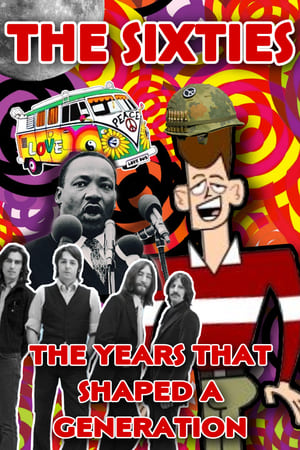
The Sixties: The Years That Shaped a Generation poster

The Sixties: The Years That Shaped a Generation (2005)

It was a time when a generation rebelled and lost its innocence. From the Vietnam War to the struggle for racial equality to the birth of a counter-culture explosion, the 1960s was a decade of change, experimentation and hope that transformed an entire nation. The two-hour documentary features revealing interviews with the prominent figures of the era including: Barbara Ehrenreich, Daniel Ellsberg, Jesse Jackson, Tom Hayden, Arlo Guthrie, Henry Kissinger, Norman Mailer, Robert McNamara, Ed Meese III and Bobby Seale. Also released as a one-hour documentary called "1968: The Year that Shaped a Generation."
- / 5
PopScore
Representation

Pictures and Videos


Incluvie Gala

Movie Information


It was a time when a generation rebelled and lost its innocence. From the Vietnam War to the struggle for racial equality to the birth of a counter-culture explosion, the 1960s was a decade of change, experimentation and hope that transformed an entire nation. The two-hour documentary features revealing interviews with the prominent figures of the era including: Barbara Ehrenreich, Daniel Ellsberg, Jesse Jackson, Tom Hayden, Arlo Guthrie, Henry Kissinger, Norman Mailer, Robert McNamara, Ed Meese III and Bobby Seale. Also released as a one-hour documentary called "1968: The Year that Shaped a Generation."

Rating:
Genre:TV Movie, Documentary
Written By:David Davis
In Theaters:9/29/2005
Box Office:

Runtime:120 minutes
Studio:

Articles You May Like


The Rise of a Kindhearted Comedy Hero: The Anti-Toxic Masculinity Message of Brendan Fraser Films

Throughout Brendan Fraser’s career, he has played a plethora of unique, layered characters who explore the importance of not being afraid to display your emotions, something that is often seen to not be a masculine trait. This idea of regulating emotion and what traits men are able to possess creates a toxic atmosphere for men who are often told they should not cry or represent their emotions in any physical way. These characters represent that men can be joyful, emotionally conscious, and sensitive, while also representing their masculine identity instead of painting those qualities as fighting against their masculinity.

Amanda Mazzillo

