
Dead Poets Society Steals a Queer Story
Dead Poets Society relies on patriarchal tropes such as overbearing fathers, contrived brotherhood, and faux-individuality in order to portray its straight white male characters as oppressed.
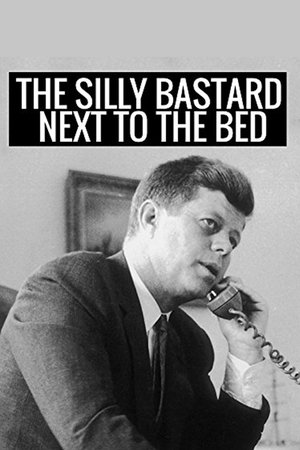


In 1963, President Kennedy recorded one of the most foul mouthed telephone calls ever made from the White House. This is the story of that phone call and the silly bastard who started it all.
Dead Poets Society relies on patriarchal tropes such as overbearing fathers, contrived brotherhood, and faux-individuality in order to portray its straight white male characters as oppressed.
He’s a nine-time Oscar host and a revered comedy legend. He’s an up-and-coming comedy star who was a voice in the biggest animated movie of all time. So what happens when these two are forced to work together?
The plot could’ve really been interesting if the elements of lycanthropy was integrated with perhaps the struggle of identity of being LGBTQ+. It's an experience for so many that as they’re starting to realizing their true selves, they feel like a monster, especially if they come from unsupportive homes or communities. Instead, the horror and transformation elements seem thrown in without contemplation of how this could deepen the narrative.
"The Platform" is horror and science fiction film doubling as a visual commentary on capitalism and economic inequality. The movie is not for the faint of heart nor the viewer hoping for political neutrality in their film's depth.
Despite being an over-talked-about piece of media, 'Euphoria' has some interesting articles about it with personal angles that oppose the average tendency to be generic.