







'Don't Breathe 2,' the Horror Sequel That Offers a Rapist an Undeserving Redemption Arc
'Don't Breathe 2' is a sequel that forgoes almost everything that made its predecessor good, and asks audiences to root for a rapist on top of that.

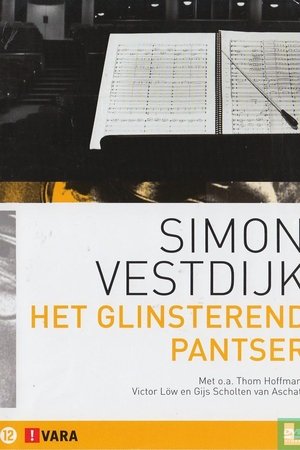
After losing sight of each other for 25 years, the paths of three childhood friends cross paths. It concerns successful conductor Victor Slingeland, successful writer Sander Vastenhout and general practitioner Bert Duprez. Slingeland enjoys a reputation as a womanizer. This intrigues Vastenhout who, as is often the case with authors, is without inspiration. Vastenhout sees the unraveling of Slingeland's complex personality as possible new material for a novel. With the help of Dr. Duprez, Vastenhout tries to find out about Slingeland's secret by imitating his behavior and thus challenging him.
'Don't Breathe 2' is a sequel that forgoes almost everything that made its predecessor good, and asks audiences to root for a rapist on top of that.
This is ambitious horror filmmaking, and in a lot of ways, I fully admire its ambitions. For me, the film’s sloppiness defines its overall quality.
“Trust your gut" is one of the most common pieces of advice you’ll receive during your lifetime. And as a person inclined to trust my intuition above all else, it’s the most common advice I find myself giving in real life and in my online socialising. But what happens when your gut is trying to warn you that something is seriously wrong without you being able to identify what triggered it in the first place? How can you act on a feeling or make it go away when you don’t have a clue about what could be wrong? How can you trust your intuition when you don’t know what makes it act out in the first place?
One of the reasons that people with albinism have a difficult time being seen and represented in media is probably because there is a small percentage of them.
This drama film is about Priscilla and Elvis Presley's failed marriage through the lens of the title character.
The French-born director Laure de Clermont-Tonnerre’s strategic choice to entrust the interpretation of a conventional, feminine character to a non-binary actor pays off: Corrin’s Lady Chatterley is awkward, edgy, and uninhibited at the same time.