

A Closer Inspection of LGBT Characters in Film
We have a long way to go with LGBT representation in film, especially when it comes to LGBT characters of color and trans characters.
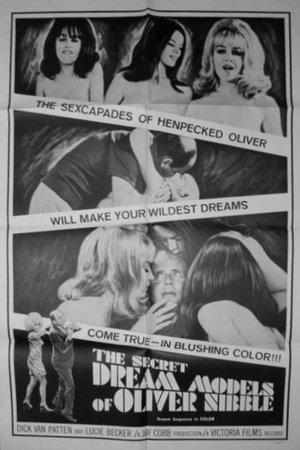


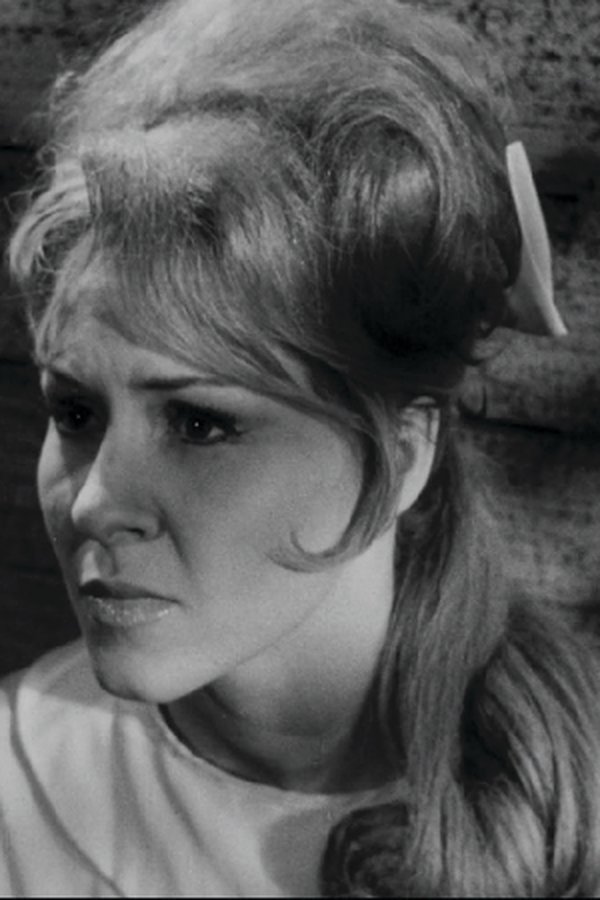
The film starts out B&W and shows Oliver Nibble being berated by his wife. They go to a cinema and Oliver's imagination runs wild. The film turns into color as Oliver photographs his models in various stages of dress (and undress).
We have a long way to go with LGBT representation in film, especially when it comes to LGBT characters of color and trans characters.
Sorry to Bother You ultimately speaks to the unfair advantages that the country’s power structures award to those with the resources to control others, as Lift’s easy access to the media allows his opinion to be the only one that matters in the eyes of the unsuspecting and easily impressed public. Moreover, it reveals the extent to which the American Dream has any true validity. It postulates how the promise of success and fulfillment as promoted by the American Dream more often than not leads to the undoing of the individual. Interestingly, in its revealing of the American Dream as merely a facade, Sorry to Bother You wisely questions whether or not anything can really be done to undo a system that has been accepted and in action for centuries.
'Rag Tag' encompasses the diversity within the African Diaspora by showing London Nigerian men learning to regulate their emotions while navigating love and societal pressures.
Its predictability shouldn’t distract from the enjoyment that the pure cinematic imagination behind the camera elicits. It is a movie of crises both moral and mortal, oozing with CGI, and thoroughly enjoyable.
'Selena: The Series' loses sight of the story's heart: Selena herself.
An unlikely friendship changes the hearts of men, and helps a young boy come into his own.