










Incluvie – Better diversity in movies.
Identity in film with Incluvie stamps, scores, reviews.

Incluvie – Better diversity in movies.
Explore identity in film with Incluvie stamps, scores, reviews, and insights.

trailer banner
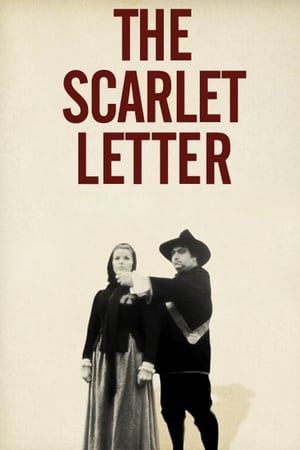
The Scarlet Letter poster

The Scarlet Letter 

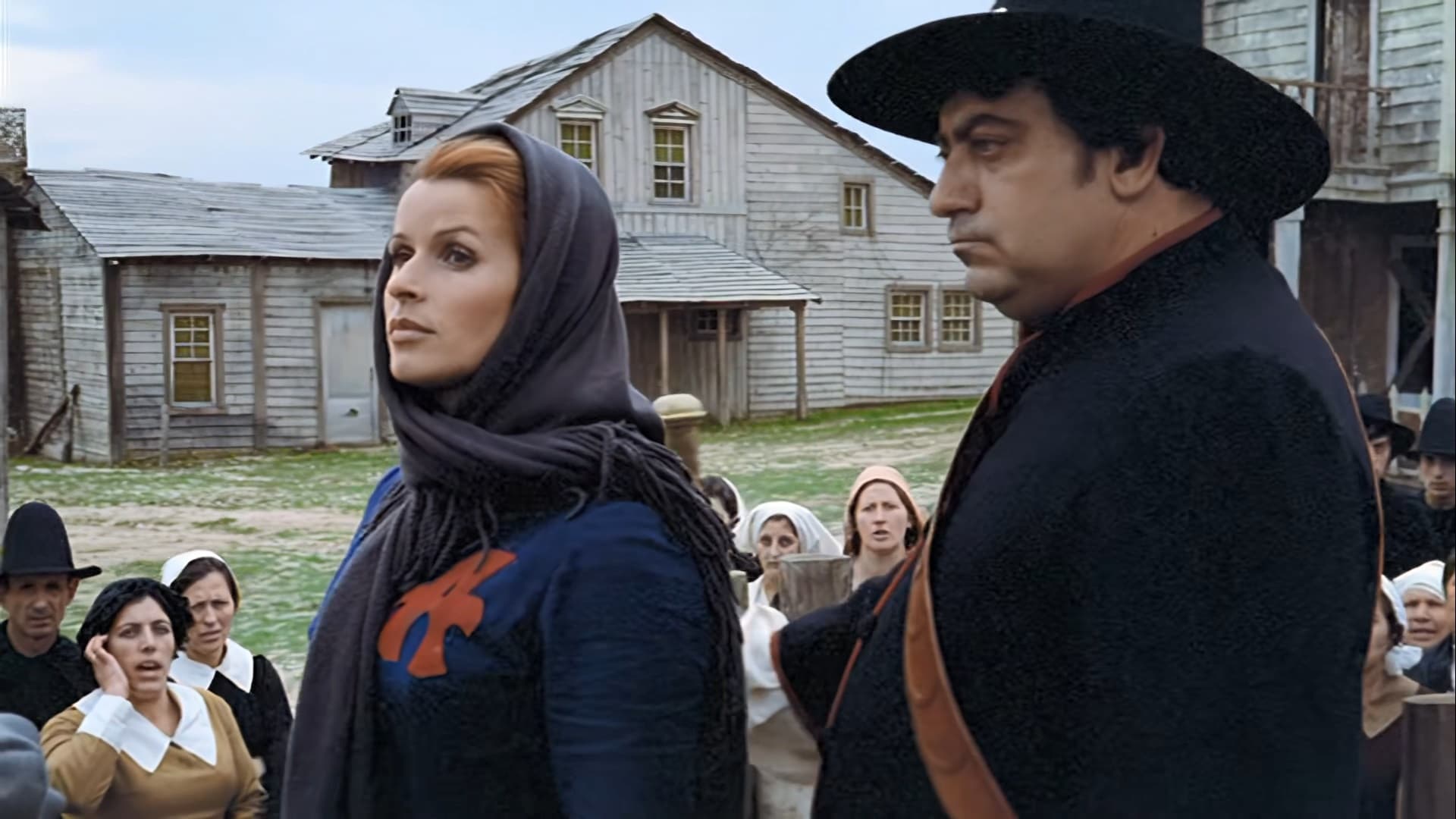
In 17th-century Salem, Hester Prynne must wear a scarlet A because she is an adulteress, with a child out of wedlock. For seven years, she has refused to name the father. A vigorous older stranger arrives, recognized by Hester but unknown to others as her missing husband. He poses as Chillingworth, a doctor, watching Hester and searching out the identity of her lover. His eye soon rests on Dimmesdale, a young overwrought pastor. Enmity grows between the two men; Chillingworth applies psychological pressure, and the pastor begins to crack. A ship stops in Salem, and Hester sees it as a providential refuge for her daughter, herself, and her lover. But will Dimmesdale flee with her?
- / 5
PopScore
Representation

Pictures and Videos


Incluvie Gala

Movie Information


In 17th-century Salem, Hester Prynne must wear a scarlet A because she is an adulteress, with a child out of wedlock. For seven years, she has refused to name the father. A vigorous older stranger arrives, recognized by Hester but unknown to others as her missing husband. He poses as Chillingworth, a doctor, watching Hester and searching out the identity of her lover. His eye soon rests on Dimmesdale, a young overwrought pastor. Enmity grows between the two men; Chillingworth applies psychological pressure, and the pastor begins to crack. A ship stops in Salem, and Hester sees it as a providential refuge for her daughter, herself, and her lover. But will Dimmesdale flee with her?

Rating:
Genre:History, Drama, TV Movie
Directed By:Wim Wenders
Written By:Wim Wenders, Bernardo Fernández, Tankred Dorst, Ursula Ehler
In Theaters:
Box Office:

Runtime:90 minutes
Studio:Filmverlag der Autoren, WDR

Articles You May Like


Elvis Owes Much to the Black Community

The new biopic 'Elvis' highlights the beginning and end of the career of this rock and roll legend. The audience is taken on this journey knowing the tragic ending but not so much about what led him there. A large topic of discussion is the influences on Elvis that made him who he was as a singer, musician, and performer, which were blues, gospel, and country. Many of the songs that rose him to fame were songs by Black artists he heard growing up in primarily Black settings.

Lynn Asare