










The Grainy Landscape, Worn-Out Household, and Remembering the Past in 28 Years Later
How do zombie films shine new light in the post-Covid and post-Brexit era?
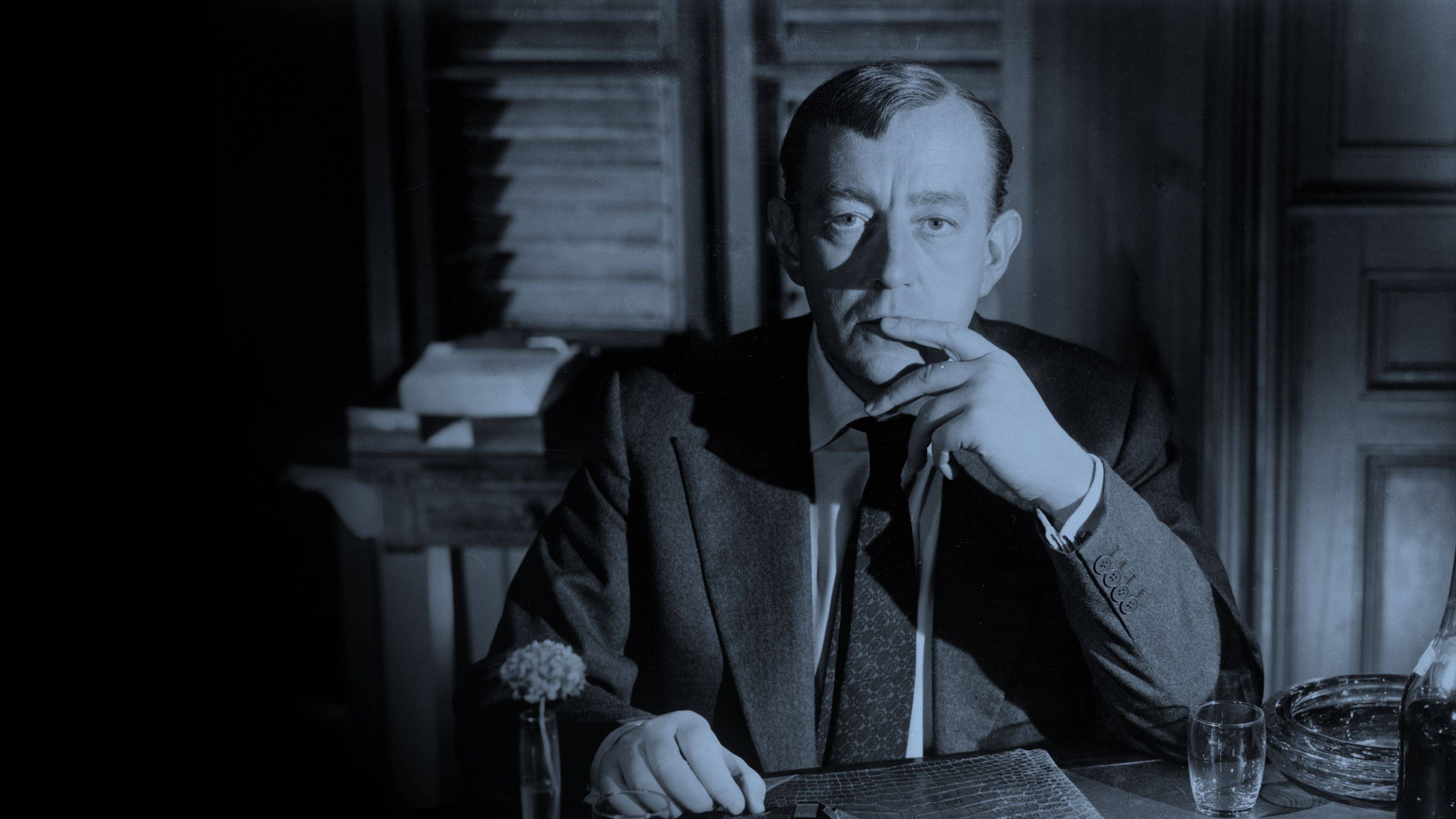
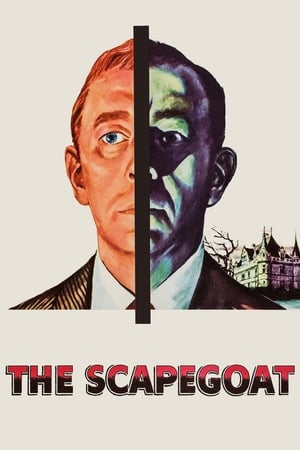


An Englishman in France unwittingly is placed into the identity, and steps into the vacated life, of a look-alike French nobleman.
How do zombie films shine new light in the post-Covid and post-Brexit era?
Over the last several years, I have had the privilege of being one of the critics having the opportunity to watch and review several films from writer/director/producer Marcellus Cox, whose efforts are never anything less but grounded, relevant, and steeped in unflinching glimpses illustrating the gripping, inspired, and ever-vacillating realms that make up the human condition.
Our protagonists perform as the opposite gender while still preserving the parts of their personalities that makes themselves who they are.
On the Road captures the bleak, hyper-masculine world of long-haul trucking in Northern Mexico, where anything can and will happen. A hard-boiled, neon-noir romantic thriller, it shows the gritty reality of roadside diners, truck stops, and truck cemeteries alongside the expansive, breathless beauty of the Mexican desert highways.
After We Collided is a sequel to last year’s After, which itself was based on Anna Todd’s 2014 novel of the same name, and which was originally published as a Harry Styles-centric fan-fiction on WattPad (a similar path as E.L. James’ Fifty Shades of Grey series).