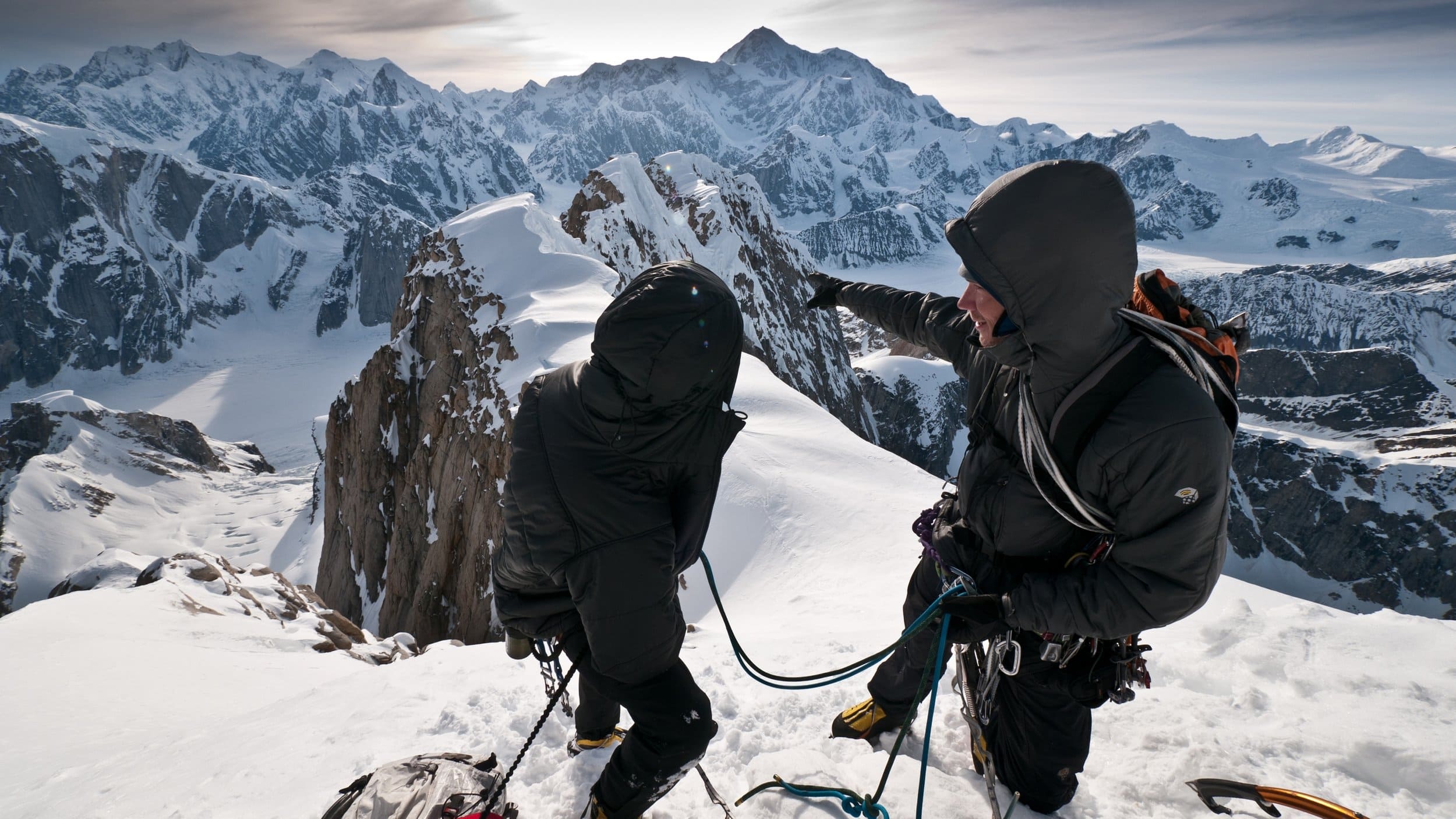
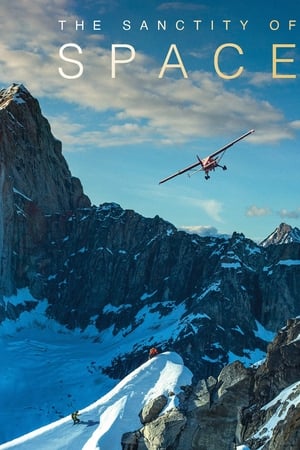



Seventy-five years after Brad Washburn, one of the greatest aerial mountain photographers of all time, first shot Alaska’s Denali Mountain from the open door of an airplane, climbing buddies Renan Ozturk, Freddie Wilkinson, and Zack Smith look at some of his mountain photographs and have this crazy idea. Rather than go up, their dream is to go sideways across the range’s most foreboding peaks, the Moose’s Tooth massif. It’s a fresh new way to explore the same landscape Washburn first discovered. As the group endures rough conditions, disintegrating ropes, and constant rockfall, their desire to be the first to complete the audacious line grows into an obsession. But friendships begin to fray when Renan suffers a near-fatal brain injury, forcing all three partners to decide what’s most important to them.
When diverse representation is featured on-screen, it oftentimes comes with strings attached that undermine the message they were trying to send. This can be attributed to the fact that behind-the-screen, the industry primarily does not reflect the breadth of diverse difference that is present in daily life. That’s why when something as powerful and authentic as Minari comes along, it is both incredibly wonderful and needs a large audience to witness it.
Even after a history changing event, the 93rd Oscars proved it always had the space for more inclusivity in its award ceremony. But it this enough to change the boycott?
Based on the bestselling memoir, viewers get a glimpse of the challenges of autistic people.
It doesn’t offer an absolute answer for the dialectical ethical questions that emerged in search of justice but portrays the characters as living people beyond the identities of victims.
The nations of Wakanda and Talokan enter war over their opposing viewpoints on dealing with the destructive hearts of humankind on the surface world.