



'Better Nate Than Ever' takes to Broadway
The coming-of-age story that brings viewers into the world of Broadway, New York City, with musical talent and LGBTQ leads.
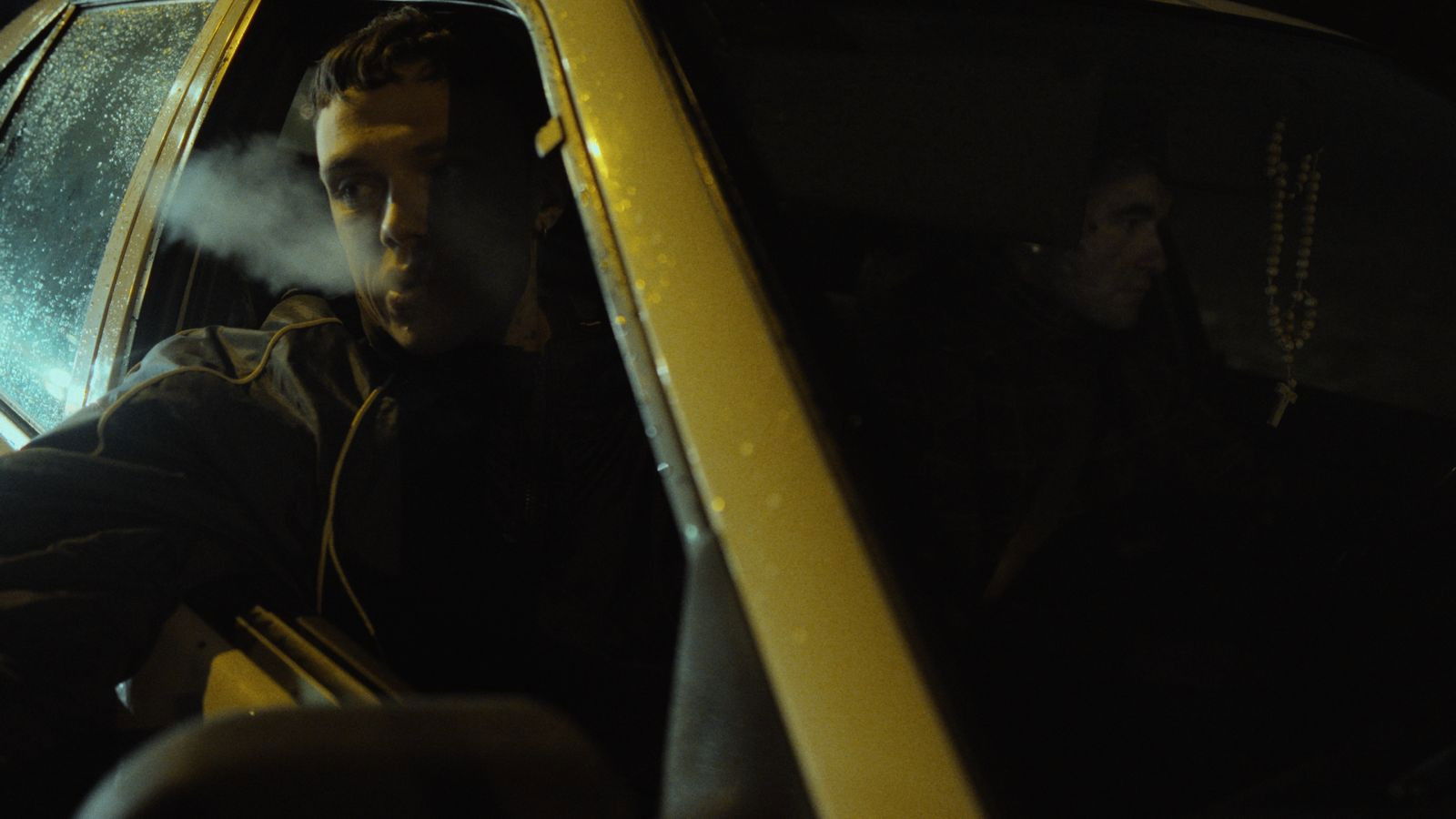
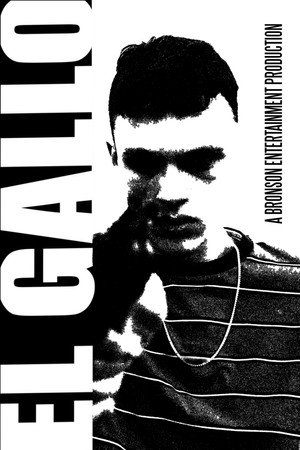


Luis and Chema are going to buy some drugs to get rid of a debt. The transaction with Jose, the drug dealer, is cut short by an impulse of violence in which they end up stealing the stash. Jose, who cannot afford to lose the pack, will hunt them down. In the final moments, Luis and Chema will have to face their own decisions.
The coming-of-age story that brings viewers into the world of Broadway, New York City, with musical talent and LGBTQ leads.
A gentle coming of age story, Water Lilies takes its time in exploring what it’s like to be a young girl trying to make sense of her sexuality in a heteronormative world.
Bigg County Restorations is a zany new pilot from comedians Joe Bell and Mikaela Watkins. In a spot-on parody of History Channel shows like American Restoration and Pawn Stars, Paul Bigg (John Jezior) works to restore kitschy decor for celebrities while his good-for-nothing adult children, Britney (Mikaela Watkins) and Junior (Joe Bell) go on wacky adventures while slacking off on the menial tasks they’ve been assigned. In the pilot, Britney and Mikaela’s day goes off the rails pretty fast.
People are so much deeper and far more extraordinary than what gender they were assigned at birth.
A wholesome love story that's perfect for fans of romance movies and animal lovers.
Unlike other documentaries about Princess Diana, Perkins’ film, 'The Princess', is an entire documentary consisting of media coverage and public opinion, rather than a typical series of people interviewed with firsthand experience of the Princess. 'The Princess' beautifully depicts how we perceive Diana as a media figure rather than a real person, specifically creating her persona as a fairytale figure turned saint and icon.