Challengers—Blurring the Lines of Platonic and Romantic Love
What happens to an inseparable bond when love for competing morphs into competing for love?
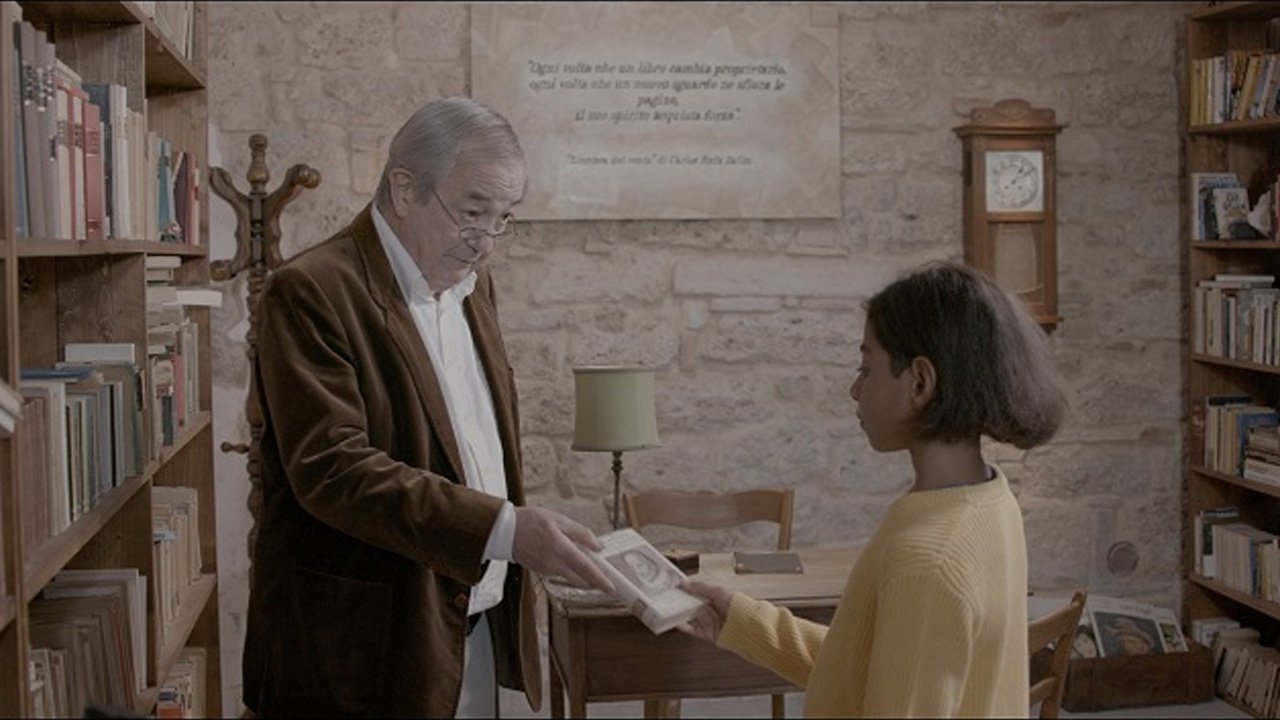
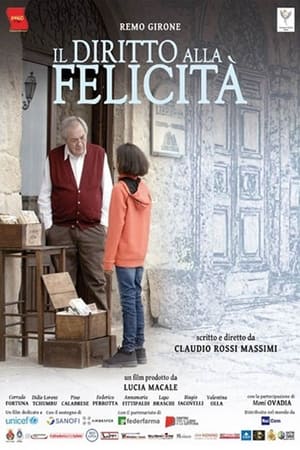


The Right to Happiness centers on a small used book store in a small plaza in a small town with big vistas, somewhere in Italy. It sounds like a book lover's fantasy, and maybe it is. The bookseller, Libero, knows most of his rather eccentric customers and can barely bring himself to take their money (although fascists pay double). When a young boy, Essien (Didie Lorenz Tchumbu), an émigré from Burkina Faso, happens on the shop, Libero begins lending him books of increasing difficulty. From Pinocchio to Moby Dick, Essien can read as fast as Libero can lend, and the two form a bond over reading and meaning. "Books should be read twice," Libero says. "Once to understand them, and once to think." Life should probably be lived like that too, but the bookseller's name means "free," and freedom is what Libero bequeaths to Essien.

Claudio Rossi Massimi
Director

Remo Girone
Libero

Corrado Fortuna
Nicola
Didie Lorenz Tchumbu
Essien

Moni Ovadia
Collezionista Medusa

Pino Calabrese
Professor Saputo

Federico Perrotta
Bojan
Annamaria Fittipaldi
Chiara
Lapo Braschi
Uomo con testa rasata
Valentina Olla
Signora Sado/Maso
Biagio Iacovelli
Prete

Liliana Fiorelli
La voce del diario
What happens to an inseparable bond when love for competing morphs into competing for love?
Desi’s “straight man” to Lucy’s playful exuberance subverted people’s expectations of what a Latino man could be and added respect and nuance to the way onscreen marriages between men and women were portrayed.
“Ad Astra” is a film that possesses similar beats to sci-fi classics, falling into the realm of cinematic hypnotism, and pulling us in with its mysteriously intoxicating identity.
Adventure Time, Legend of Korra, Steven Universe, The Loud House, The Hollow, OK-K.O.! Let’s Be Heroes, The Dragon Prince, etc!
Falling in love with 'Rocketman" all over again.
Emily Henry’s adaptation reaches romance movie standards, but not romance reader standards.