


Incluvie – Better diversity in movies.
Identity in film with Incluvie stamps, scores, reviews.

Incluvie – Better diversity in movies.
Explore identity in film with Incluvie stamps, scores, reviews, and insights.

trailer banner
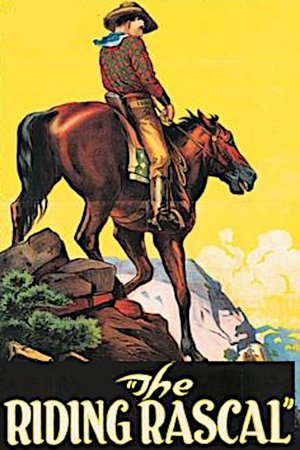
The Riding Rascal poster

The Riding Rascal (1926)

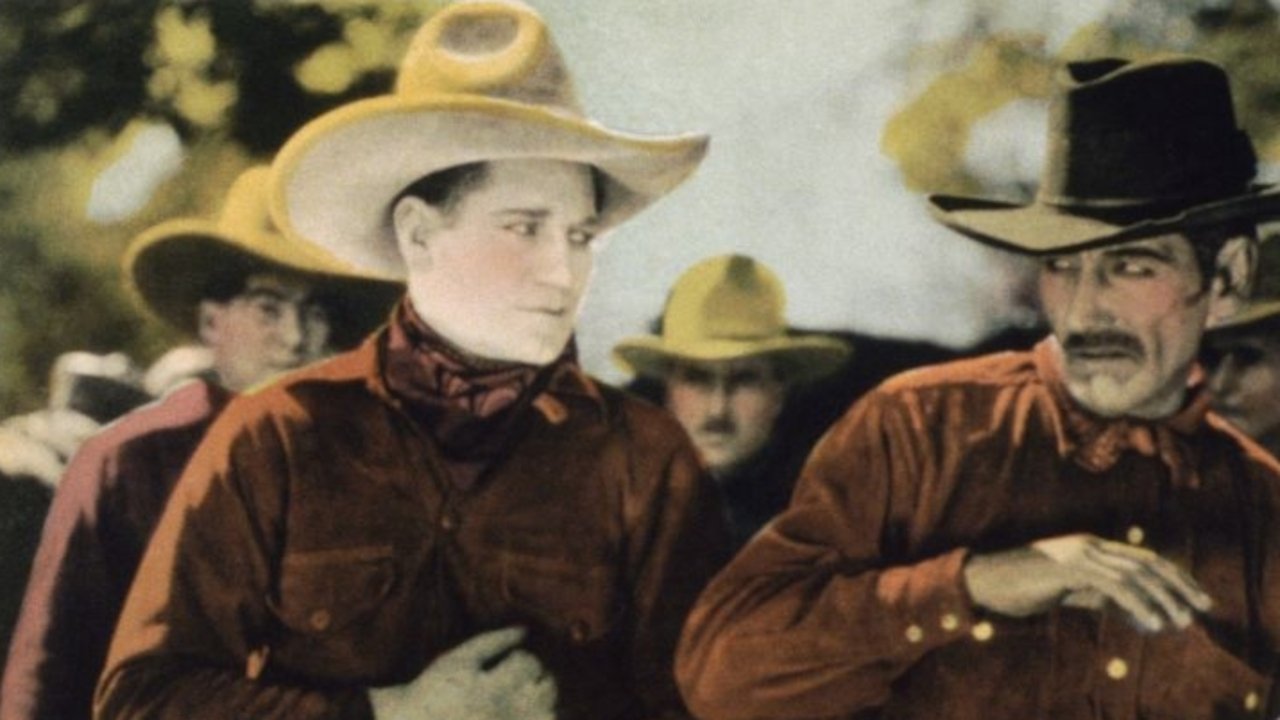
Larrabie Keller, a homesteader, is accused of being a cattle rustler, and when Keller refuses to fight Phil Sanderson, whose sister, Phyllis, has struck his fancy, he is insulted by Bill Healy, to whom he administers a severe drubbing. Phyllis, finding Keller beside a branding fire, believes him guilty; and when he is wounded by Healy, she takes Keller to Yeager, another homesteader, who cares for him and to whom he reveals that he is a Texas Ranger.
- / 5
PopScore
Representation

Pictures and Videos


Incluvie Gala

Movie Information


Larrabie Keller, a homesteader, is accused of being a cattle rustler, and when Keller refuses to fight Phil Sanderson, whose sister, Phyllis, has struck his fancy, he is insulted by Bill Healy, to whom he administers a severe drubbing. Phyllis, finding Keller beside a branding fire, believes him guilty; and when he is wounded by Healy, she takes Keller to Yeager, another homesteader, who cares for him and to whom he reveals that he is a Texas Ranger.

Rating:NR
Genre:Western
Directed By:Clifford Smith
Written By:Harrison Jacobs
In Theaters:9/19/1926
Box Office:

Runtime:50 minutes
Studio:Universal Pictures

Articles You May Like


'A Girl Walks Home Alone At Night' Review: A Powerful (If Unintentional) Look At the Exploitation of Women

A Girl Walks Home Alone At Night, though its feminism may be unintentional, cannot exist without its focus on women reclaiming power. The movie is feminist by definition, even if Amirpour didn’t write it with that in mind. A Girl Walks Home Alone At Night is mesmerizing, poetic, and stunning, both for its portrayal of feminist ideas and its powerful story that is both horrific and subtly romantic at once.

Marisa Jones

"The Father" is a Depressing But Insightful Look at Dementia

With The Father, writer-director Florian Zeller- who wrote and developed the play upon which the film is based- pulls no punches as he confidently makes every effort to put the audience in the mind of someone whose grip on reality has all but vanished. It’s a dazzling testament to Zeller’s abilities as a director as he makes his first transition from stage to film appear as if he’s been working behind a camera his entire career. The dialogue he fashions with co-writer Christopher Hampton, along with the work of production designers Peter Francis and Cathy Featherstone, collectively makes the downward spiral of dementia startlingly tangible, doing so in a way that can be comprehended by everyone except the person it directly affects.

Matt Geiger