


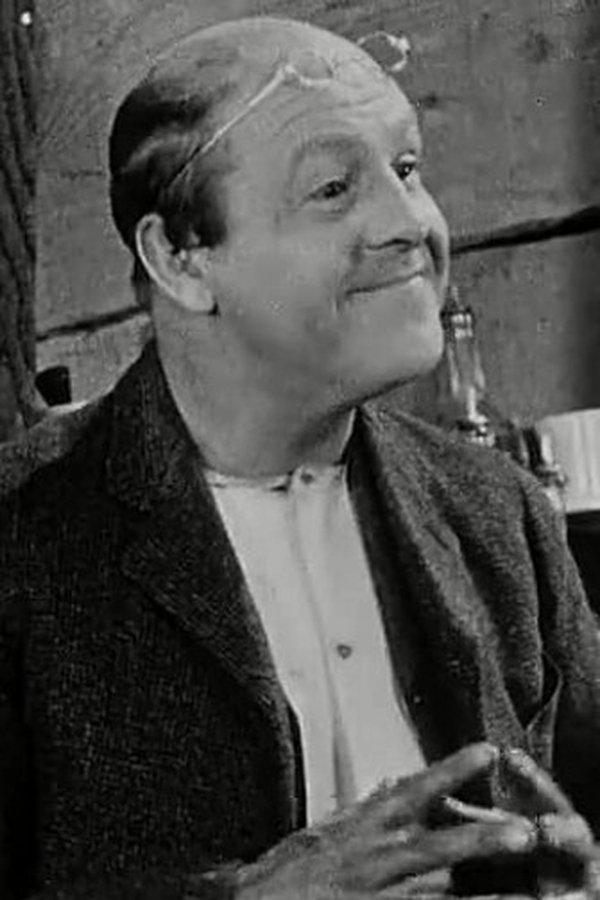
'Double Dad': Who Is Her Real Father?
Vicenza, a Brazilian girl, goes on a quest by herself to find out who her birth father is by gathering clues.
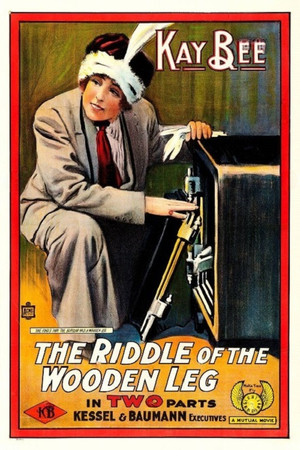


Sauntry, secretary to John Graydon, the wealthy banker, commits many robberies in the city among the wealthy class, gaining a rather sinister reputation. He hides his tracks by placing a wooden leg on one of the good ones, thus leaving a print and a round mark. Graydon's diamond disappears and the chain to which it was tied is found by Limpy Fisher, a boy from the East Side, with a wooden leg.
Vicenza, a Brazilian girl, goes on a quest by herself to find out who her birth father is by gathering clues.
KIMI is the main character of this film and as much as I wish it was Angela Childs played by Zoe Kravitz, it isn't. KIMI is a smart device that works not unlike Amazon's Alexa and Google's Nest assisting in anything from home purchases to music playing all under the guise of only activating when in use.
With The Father, writer-director Florian Zeller- who wrote and developed the play upon which the film is based- pulls no punches as he confidently makes every effort to put the audience in the mind of someone whose grip on reality has all but vanished. It’s a dazzling testament to Zeller’s abilities as a director as he makes his first transition from stage to film appear as if he’s been working behind a camera his entire career. The dialogue he fashions with co-writer Christopher Hampton, along with the work of production designers Peter Francis and Cathy Featherstone, collectively makes the downward spiral of dementia startlingly tangible, doing so in a way that can be comprehended by everyone except the person it directly affects.
"The Platform" is horror and science fiction film doubling as a visual commentary on capitalism and economic inequality. The movie is not for the faint of heart nor the viewer hoping for political neutrality in their film's depth.
An action film led by two queens, fighting for what they believe in through power and pain.
Hanna Bergholm's 'Hatching' shows us that the modern version of the cardboard world trope is social media.