Dead Poets Society Steals a Queer Story
Dead Poets Society relies on patriarchal tropes such as overbearing fathers, contrived brotherhood, and faux-individuality in order to portray its straight white male characters as oppressed.
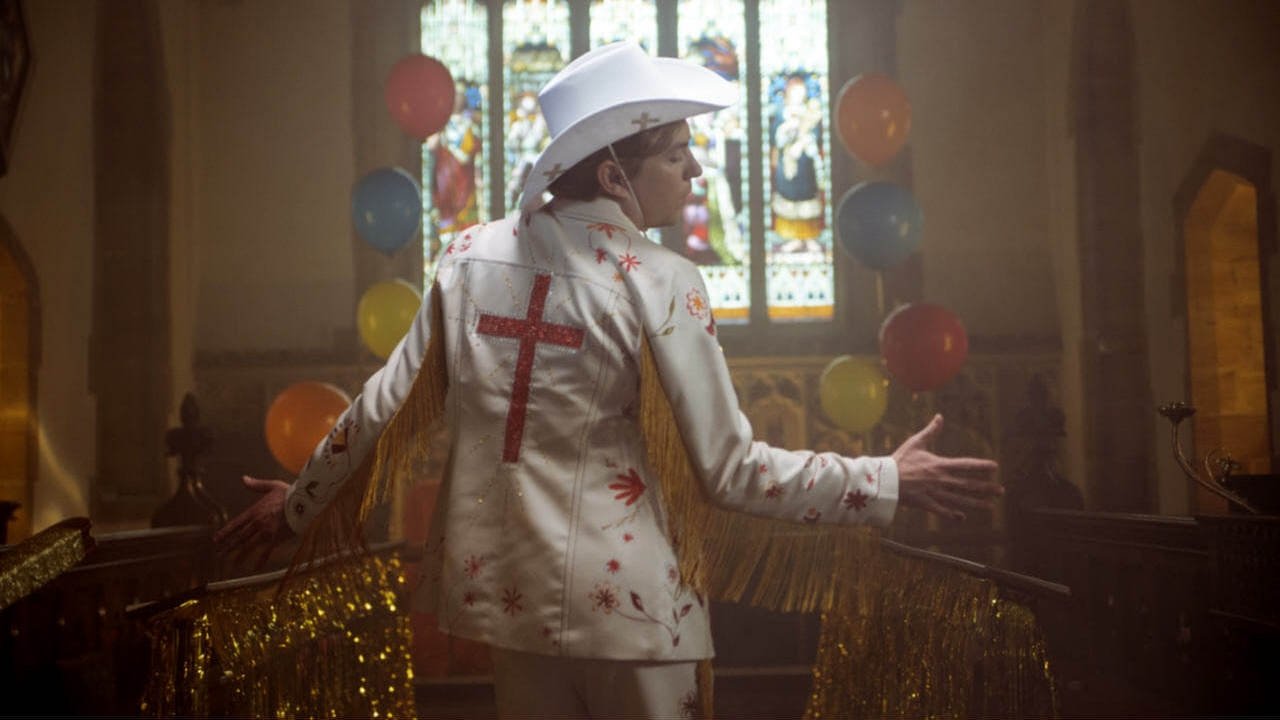
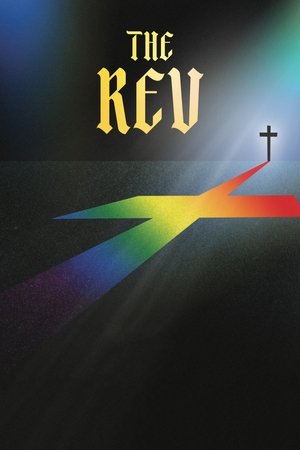


Once, Neil Marlow's life was a spontaneous festival of frivolity, friends and funk music. Now, it's one of OAPs, weekly bingo and ready-meals. Neil Marlow (aka The Rev) has chosen a life of the cloth above a life of liberalism. Like so many before him, he is convinced that his sexuality and extroverted personality are incompatible with his religious beliefs. This is the story of that struggle. The struggle of repression and rejection, of the vain attempt to leave a part of himself behind in the belief that he will somehow be happier if he inhibits his true self.

Fabia Martin
Director
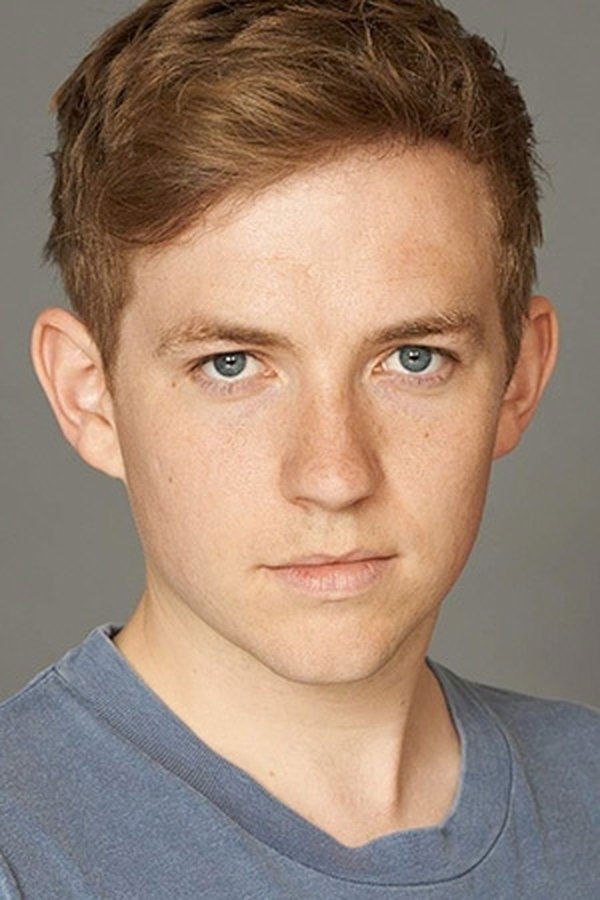
Jack Holden
Rev Neil Marlow

Nigel Thomas
James Hamilton-Smythe
Sally Saunders
Mrs. Pearce
Chris Gallarus
Roger Prior
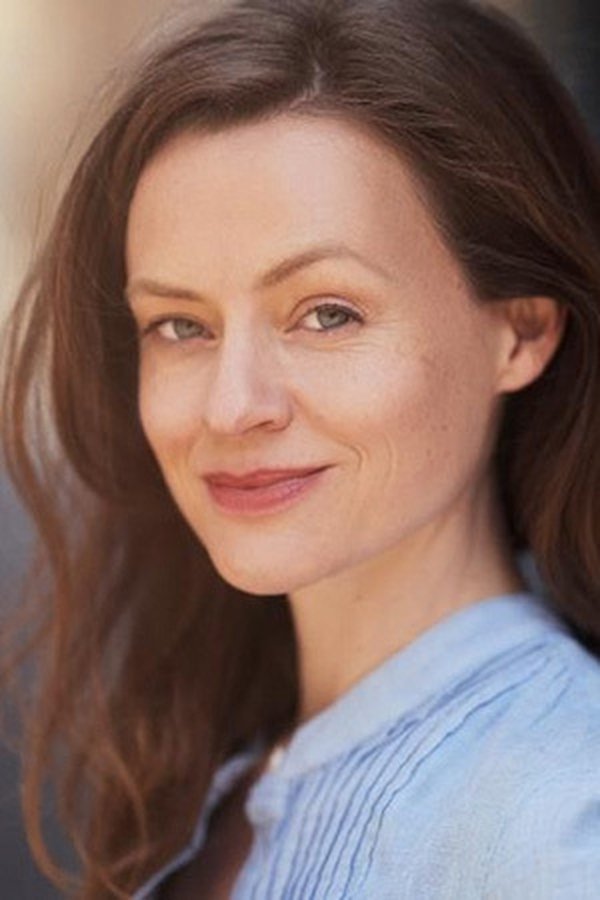
Tamsin Fessey
Eliza Hamilton-Smythe

Ekow Quartey
Mike
John Dalton
Mr. Soames
Cohen Bates
Thomas Hamilton-Smythe
Betty Bestall
Jenny Hamilton-Smythe
Joanna O'Hare
Suzy
Jerome Swan
Mr. Millet
Dead Poets Society relies on patriarchal tropes such as overbearing fathers, contrived brotherhood, and faux-individuality in order to portray its straight white male characters as oppressed.
A spoiler-free review of 'Glass Onion: A Knives Out Mystery,' highlighting the way the modern setting and current social climate once again influence Johnson's approach to the whodunit narrative.
If you want to feel the rush, you have to take the risk.
Deborah (Jean Smart) and Ava (Hannah Einbinder) are a delight to watch evolve, sometimes devolve, then evolve again.
Ian and Barley embark on a quest to find a magical gem to restore their father back to life.
"The Haunting of Hill House" isn't your typical horror story. Based on a novel by Shirley Jackson, Netflix's masterpiece and limited horror series takes you on a emotional rollercoaster ride, by turning our perception of mental illness on its head. It's an unforgettable story about a loveable family, who grapples with tragedy and love after living at the foreboding Hill House.