

'Jungle Beat: The Movie' (2021)
This animated kids' movie shows viewers two different species--jungle animals and aliens--and how both species coexist.
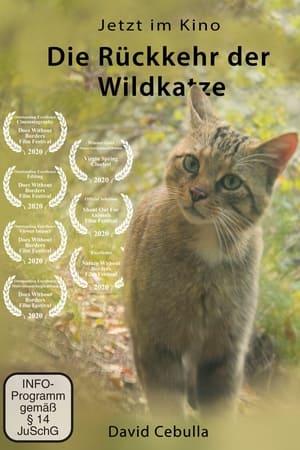


In this 40-minutes-documentary the ecologist and filmmaker David Cebulla is on a quest to find one of Germany's shyest and most endangered species: the European wildcat. During a scientific pre-study, by chance, he made the first record of a wildcat in an area near his hometown Jena. Thereupon he dedicates a whole year to get the genetic evidence and a really splendid film recording of a free-living wildcat. For this reason he sets up trail cameras and lure sticks. To find out more about these animals he meets up with two interview partners in course of the film. The Thuringian wildcat expert Silvester Tamás answers questions regarding estimates on the stock of free-ranging wildcats and the protection of the species. Matthias Krüger is head-taxidermist at the Jena Phyletic Museum and explains what we can learn from wildcats found already dead.
This animated kids' movie shows viewers two different species--jungle animals and aliens--and how both species coexist.
The Franke kids seemingly lived a normal life, until their mom met the infamous Jodi Hilderbrandt.
If you are a discerning movie watcher and/or an African-American with a modicum of Black consciousness, this film isn’t for you. It would be better to watch the documentary ‘They Fight’ to see the impactful, emotional story of Walter Manigan and the young men of DC’s Ward 8.
Starring Jake Gyllenhall and Yahya Abdul-Mateen II, 'Ambulance' is a film not only about a bank heist gone wrong, but also about brotherhood.
Ultimately, Wicked is a story about the cost of being othered, the pain of being misnamed, and the quiet revolution of standing in your truth.
Cord Jefferson's hilarious and thought-provoking film continues a long-standing cinematic tradition, expanding the conversation around the impact of systemic racism in today's media.