




The Failures of Healthcare in 'Zero Refills' - MiamisFF Review
'Zero Refills' highlights the despicable treatment of the less fortunate by healthcare providers and big pharmaceuticals.
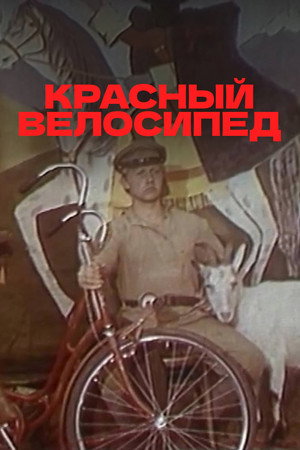


1918. Despite the conclusion of peace between Soviet Russia and Germany, provocations continue on the border. Soldier Yakub Kovalenok returns to his native village. At the fair, he tries to buy a horse; he’s ready to pay anything for it, even to sell a grenade. Some young nobleman snatches it away and, running off, leaves Yakub a red bicycle. In the village, Yakub finds out that he has the bicycle of Stas Dobuzhinsky, a courier for Kurnevich’s gang, which has long been being tracked down by a detachment of Red Army soldiers. The Bolshevik Alena recognizes the traitor’s bicycle and requisitions it, despite Yakub’s explanations. Outraged by such lawlessness, Yakub decides to seek justice and writes a letter of complaint to Lenin himself...
'Zero Refills' highlights the despicable treatment of the less fortunate by healthcare providers and big pharmaceuticals.
Typically in film, characters suffering from mental illness are used as plot devices or exaggerated for comedy. 'The House that Jack Built's representation exceeds in accuracy and realism of OCD.
A fun-loving story focused on surviving middle school and tailor-made for its target audience. "The Diary of a Wimpy Kid" follows the paradox of finding true friendship and securing popularity no matter what it takes.
‘Bruiser’ is an intense drama that explores unresolved childhood trauma and how it can affect the people around us.
Although Christmas is a time of year for love and cheer for all, holiday cinema has not always represented diverse communities. Being a holiday with Christian origins, much of its media consists of straight white families or straight white romances. Luckily, modern years have been bringing with them plenty of POC and LGBTQ+ representation that the holidays so desperately need.