



Writing Great Villains: Why They Shouldn't Be Sympathetic
Writing great villains is about striking a balance between charming and evil, so we love them but also love to see them lose.

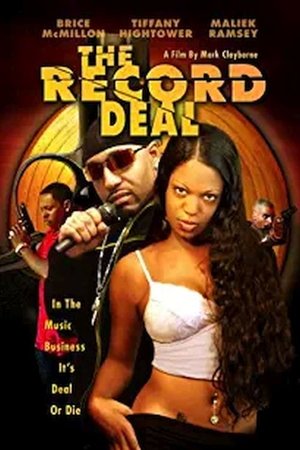
A rap artist is betrayed by the CEO of his record label when he lies and refuses to pay him a million dollars in back royalty money that is due to him. Instead the CEO used the money to make drug deals with the Russian Mafia, which left the struggling artist with loads of debt and nowhere to turn.
Writing great villains is about striking a balance between charming and evil, so we love them but also love to see them lose.
The Djinn is about childhood traumas and lifestyle changes. It tells the story of Dylan (Ezra Dewey), a mute boy who blames himself for his mom’s death. He also condemns himself for being speech-impaired, and he thinks that if he did not have that condition, everything could had been different.
"Thunder Road" presents the grief that comes from a family member taking their own life.
A tale of legendary hunters and monsters that reminds us once more not to judge a book by its cover. Enjoy this heartwarming sea shanty with a well-done plot twist.
What can I say about this Will Ferrell/Julia Louis-Dreyfus-led “dramedy?” Well, the comedy part of Downhill is completely non-existent. And I should have known that the film was a flop when I walked into an empty theater at a prime time on a Friday night.
The most divisive character in Multiverse of Madness is undoubtedly Wanda Maximoff. Is she good or evil? Is she "unlikeable?" I'm tired of the debate. I love Wanda because she's for us—she's for the women.