
A Conversation With the Filmmakers of 'When Men Were Men'
Hours before their line-up of screenings for Trans Awareness Week began, the filmmakers of 'When Men Were Men' chatted with me about the film's personal exploration of masculinity.
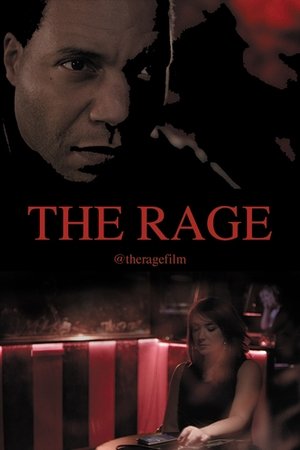


Oscar has a drink at a bar and deals with the rage building inside, until he is interrupted by a chance encounter.
Hours before their line-up of screenings for Trans Awareness Week began, the filmmakers of 'When Men Were Men' chatted with me about the film's personal exploration of masculinity.
The Noel Diary is about a man who unlocks an old diary containing secrets of the past.
Sonic is a pretty generic buddy comedy with a light dusting of eccentricity.
Him is visually stunning—all concrete cathedrals and bone-rattling impact shots that look like a nightmare highlight reel. Marlon Wayans is magnetic as this legendary quarterback who's basically selling salvation with a smile that never quite reaches his eyes. But the story keeps running in circles: more tests, more cryptic pep talks, more ritualistic drills. The sports-as-religion metaphor beats you over the head when subtlety would've been more effective. The middle drags, and that finale chooses spectacle over substance. It's undeniably stylish, but left me cold. Also worth noting: despite the Monkeypaw connection, this isn't actually a Jordan Peele film—he didn't write or direct.
The biggest highlight of the film is easily the performance of Andrew Garfield. In his days since hanging up his Spiderman suit, Garfield has routinely churned out great performances, and Mainstream is no exception. He proves that he is willing to try anything and go anywhere in a character.
The more we learned with each passing minute the bigger the reveal. This film ends with a serious bang and it was truly a joy to watch.