An Interview with Writer/Director/Producer Penelope Lawson
We chat with Penelope Lawson about her short film, The Dinner Party, her experience founding her own production company, and fun cinema.
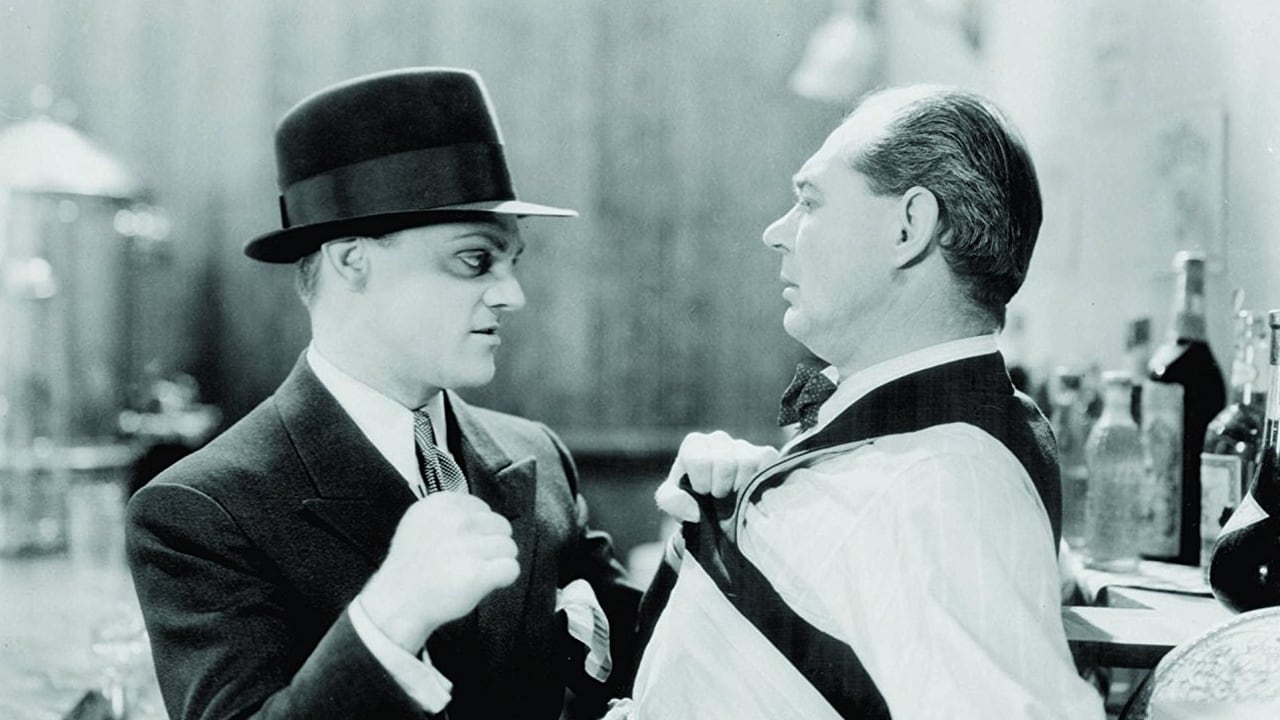
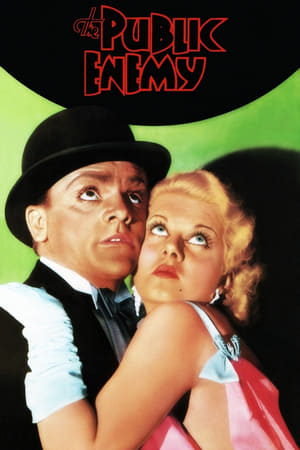


Two young Chicago hoodlums, Tom Powers and Matt Doyle, rise up from their poverty-stricken slum life to become petty thieves, bootleggers and cold-blooded killers. But with street notoriety and newfound wealth, the duo feels the heat from the cops and rival gangsters both. Despite his ruthless criminal reputation, Tom tries to remain connected to his family, however, gang warfare and the need for revenge eventually pull him away.
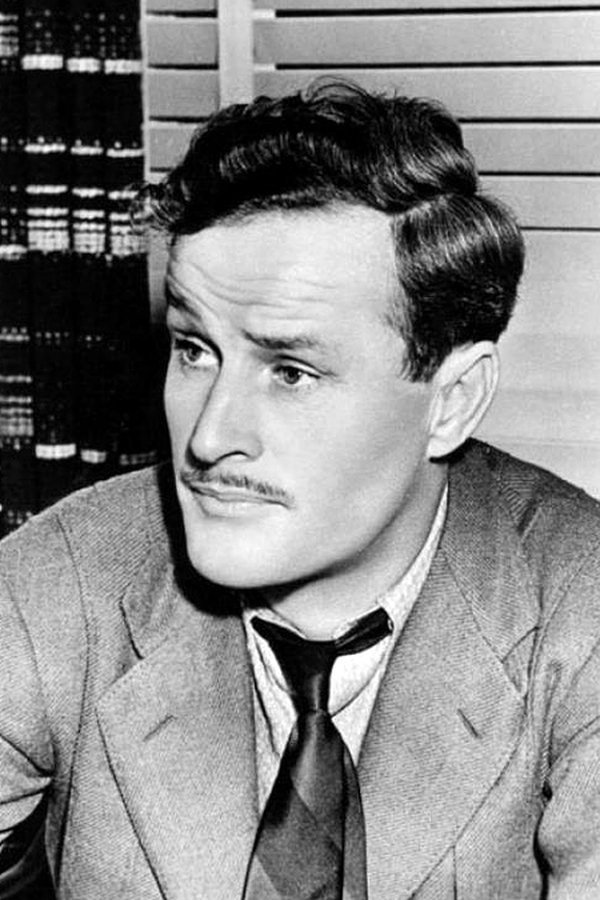
William A. Wellman
Director

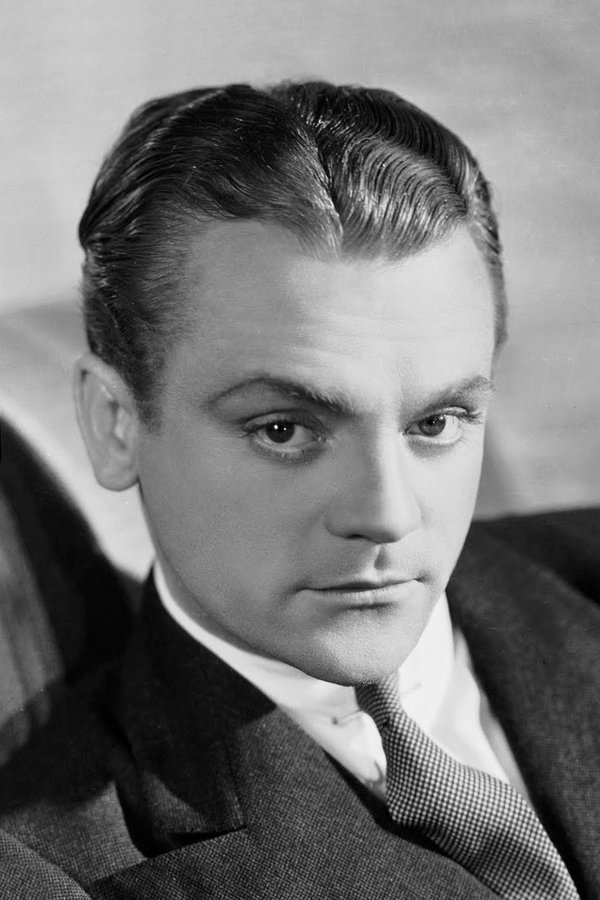
James Cagney
Tom Powers
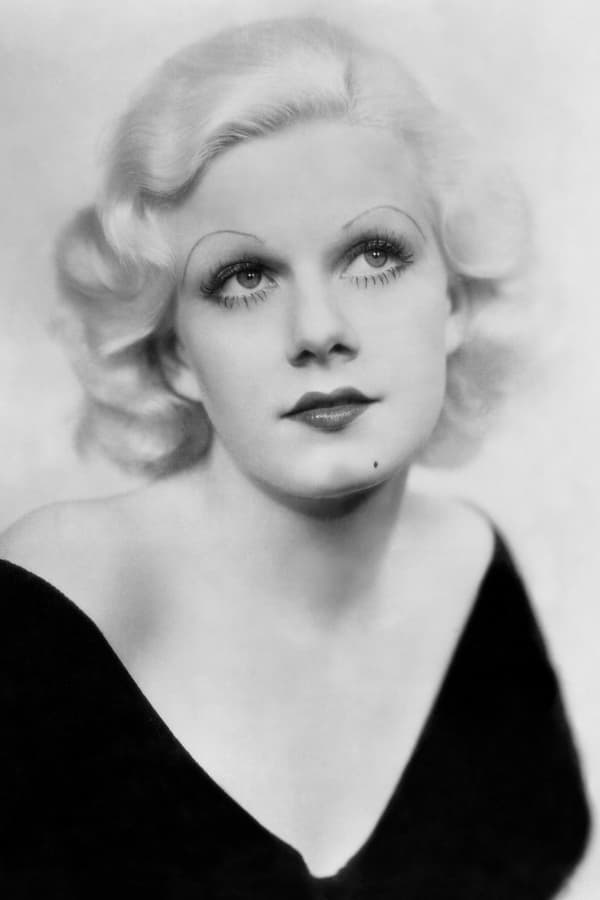
Jean Harlow
Gwen Allen

Edward Woods
Matt Doyle
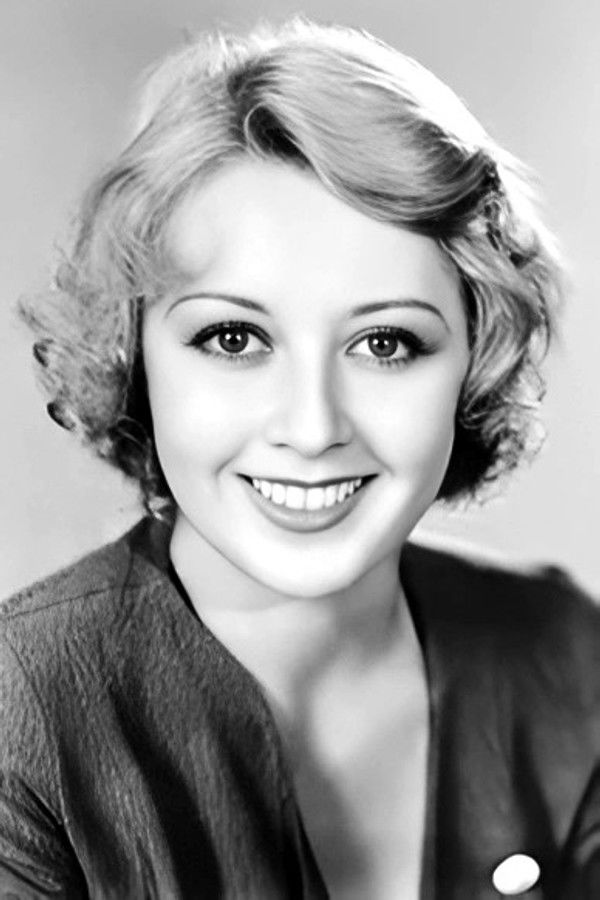
Joan Blondell
Mamie
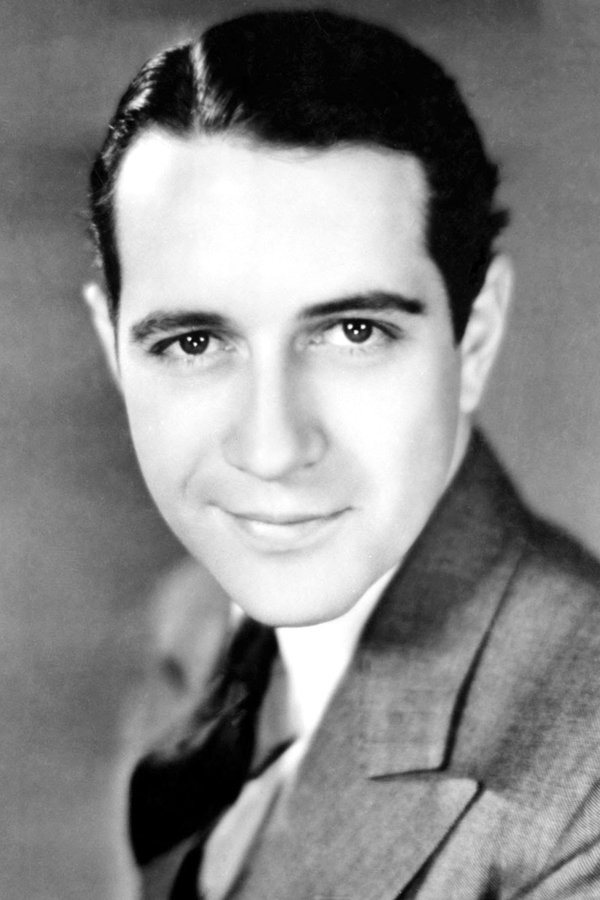
Donald Cook
Mike Powers
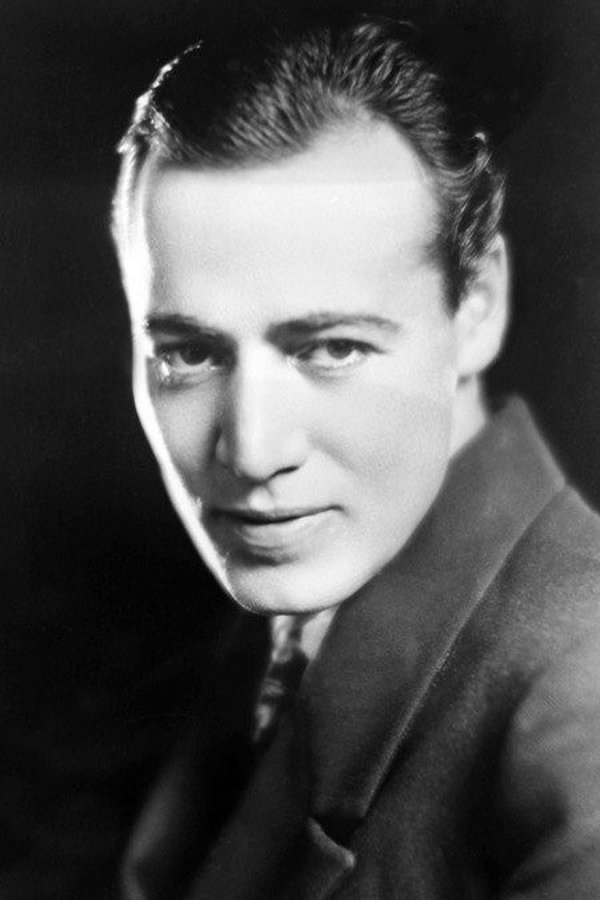
Leslie Fenton
Samuel 'Nails' Nathan

Beryl Mercer
Ma Powers
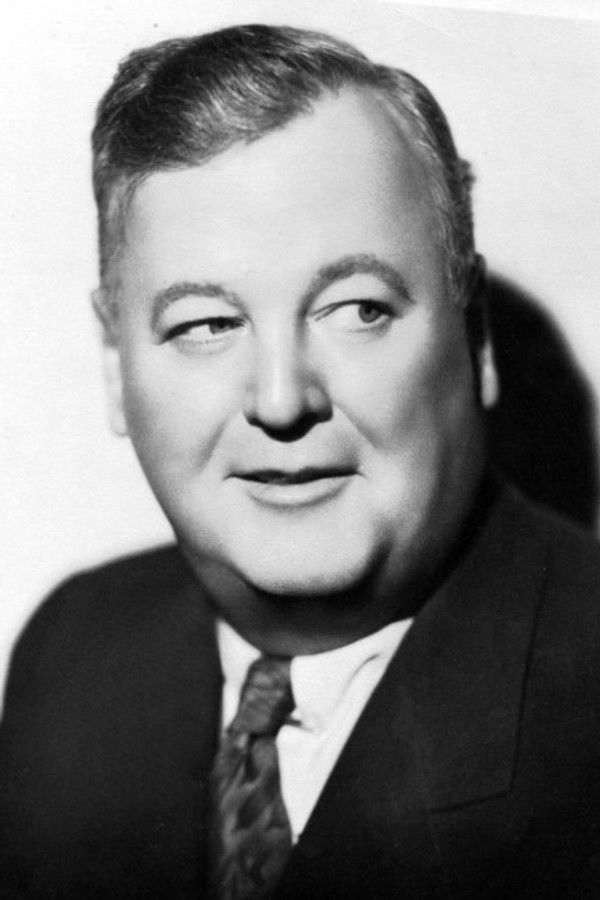
Robert Emmett O'Connor
Paddy Ryan
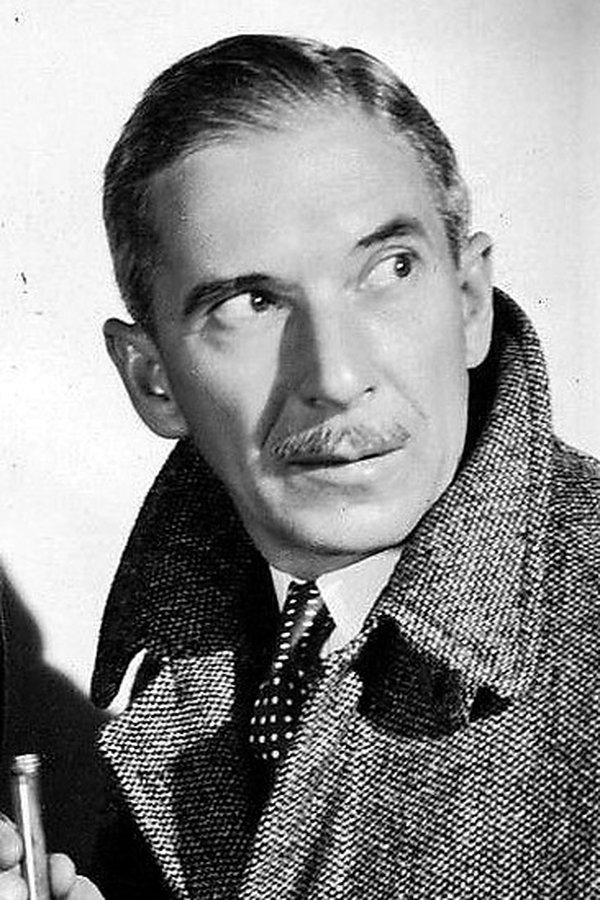
Murray Kinnell
Putty Nose
Clark Burroughs
Dutch (uncredited)
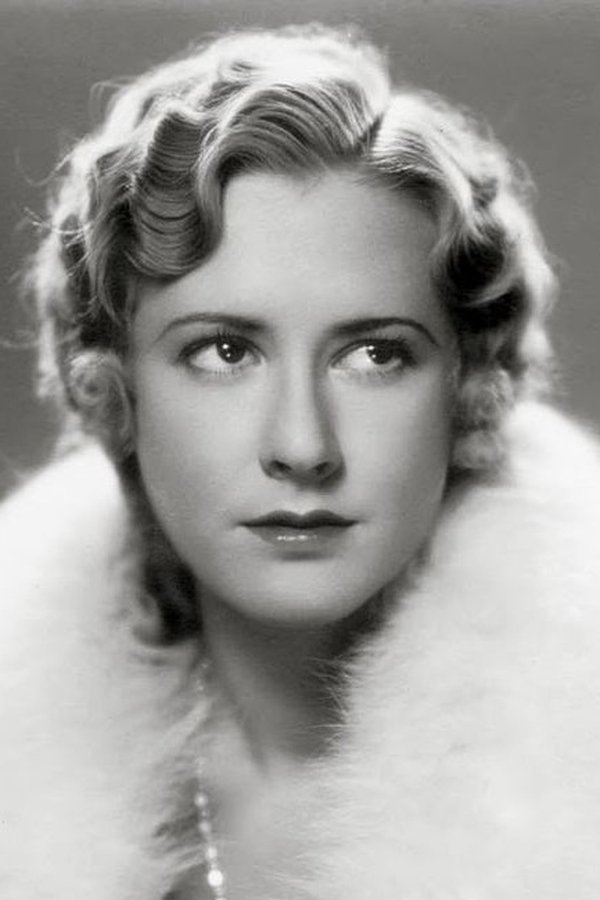
Mae Clarke
Kitty (uncredited)
We chat with Penelope Lawson about her short film, The Dinner Party, her experience founding her own production company, and fun cinema.
A strong representation of African Americans in this film features evil spirits and horror-themed elements.
Neon Gravity is an assassin who realizes that her target, as well as her current reality, are not what they seem. This short film is a futuristic story that takes place in Downtown Miami.
Writer and producer of 'Remember Me: The Mahalia Jackson Story', Ericka Nicole Malone discusses her humble beginnings in the industry.
Produced by Vanguard Animation and released on Netflix, this animated fairytale movie has a lot of ironies as the story is told by the prince himself.