


A Haunting Portrayal of Motherhood in "The Lost Daughter"
'The Lost Daughter' doesn't paint over the choices Leda and Nina make as mothers as right or wrong but examines the messy in-between.

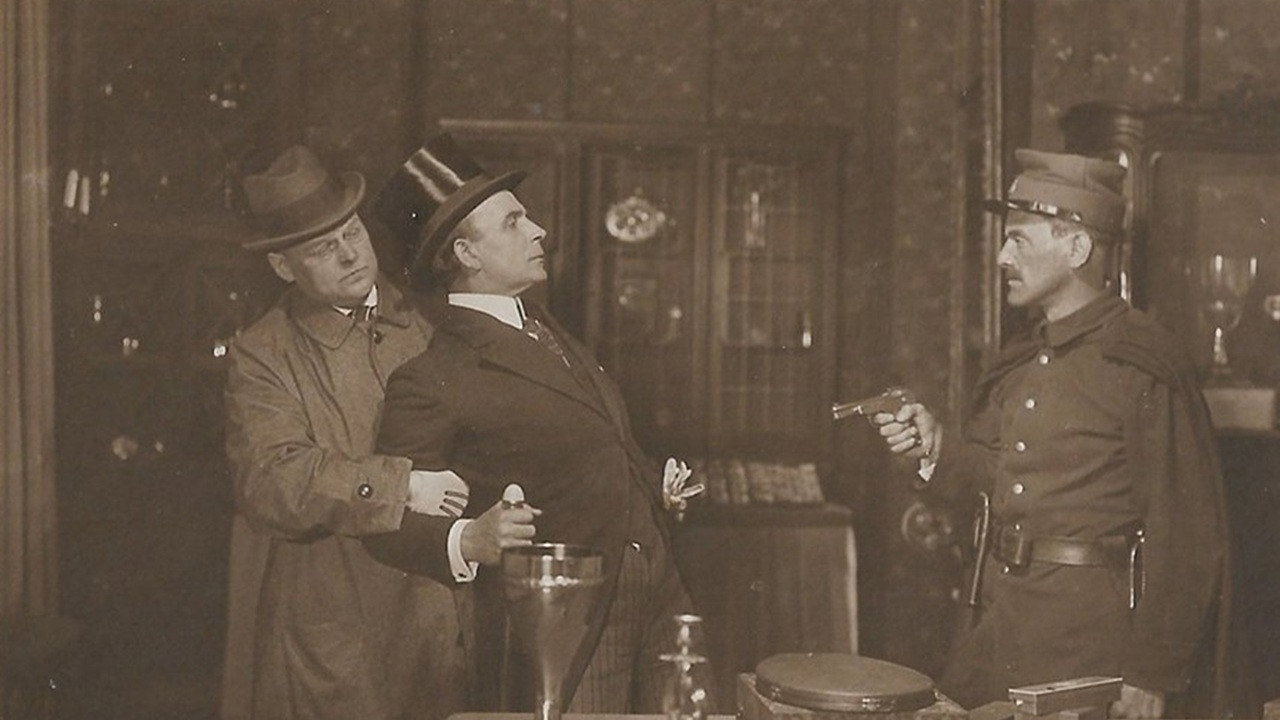
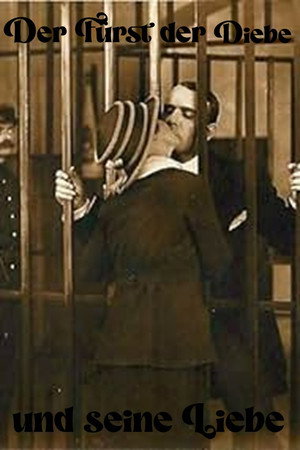
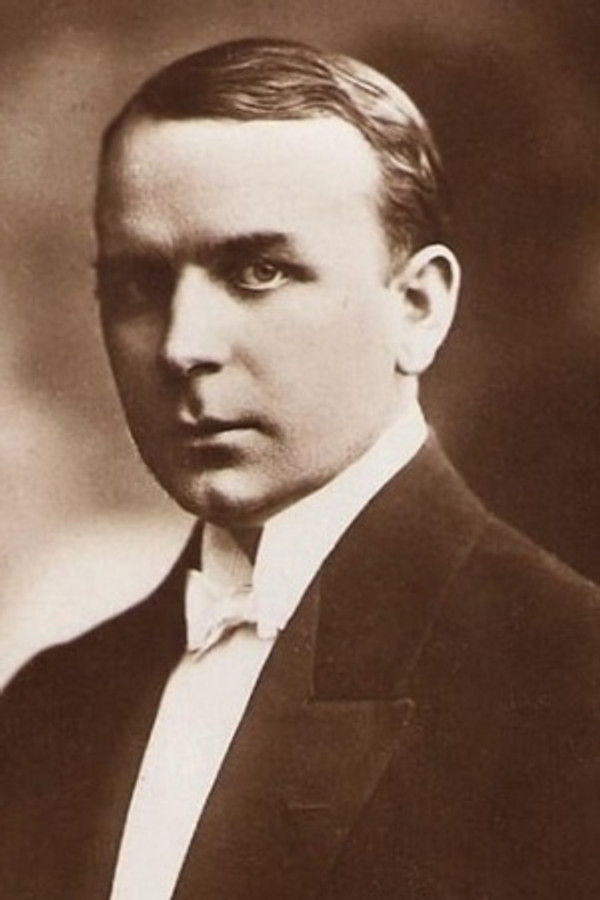
While no content description of the film could be found, it is clear the plot of Der Fürst der Diebe und seine Liebe/The King of Thieves and His Love (Viggo Larsen, 1919) deals with a gentleman criminal, played by Larsen himself. In 1920, critic Friedrich Sieburg wrote about a terrifying experience he had when viewing this very film when suddenly the musicians stopped playing while the film went on. "In act 3, as Der Fürst der Diebe was roaring along in his car (his shawl fluttering like a flag, wind blowing briskly through the high grass of the passing landscape), the musicians in the small orchestra - violin and piano for lively scenes, organ for deathly scenes - suddenly decided to break for dinner. The music stopped. Silence. The reels whirred. The light hissed. The action sped ahead. I tell you, it was frightening. I felt as if I was six feet under."
'The Lost Daughter' doesn't paint over the choices Leda and Nina make as mothers as right or wrong but examines the messy in-between.
It's not love. It's Obsession. The hook of this movie is the tension between wanting to be loved and the fear of being all-encompassed by that love. It plays on men’s typical (though certainly not universal) inner-conflict
Cord Jefferson's hilarious and thought-provoking film continues a long-standing cinematic tradition, expanding the conversation around the impact of systemic racism in today's media.
Years before Mexican director, Alfonso Cuaron, was winning Academy Awards for movies like Gravity (2013) and Roma(2018), he directed a small, intimate film about two best friends who decide to embark on an improvised road trip to spend time with an older, attractive woman who miraculously agrees to go with them. Y tu Mamá También is a deep journey into the raw sexuality and friendship of the young protagonists, as well as a subtle social and political commentary on Mexico at the time.
"Warrior" is a Bruce Lee written and inspired story that follows a diverse cast of Chinese American characters and does a terrific job of setting the story in 1878 San Francisco - all without pulling their punches with the systemic racism, discrimination, and struggle for power that old and young immigrants that crossed the country at that time had to go through.
There’s enough evidence to insinuate that What We Do in the Shadows is intentionally queer-coded.