
'Purple Hearts': A Romantic Drama Movie
Cassie, a musician, and Luke, a man serving in the Marines, form a false relationship and keep it a secret.
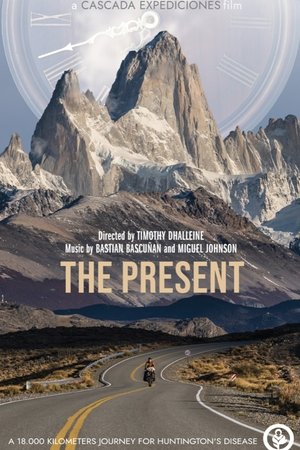


At 34, French traveler Dimitri Poffé tested positive for Huntington's disease, a rare, hereditary, incurable disorder that slowly erodes body and mind. His father died of it; his sister has fought its symptoms for over a decade. Genetic studies predicted Dimitri's own symptoms would begin between 35 and 40 — a countdown he could not stop. Rather than wait, he got on a bicycle. Alone, he rode 18,000 kilometers from Mexico City to Ushuaia, crossing deserts, jungles, mountains and endless plains, a route as unpredictable as the disease itself. What began as defiance became something larger: a story of resilience, solidarity and the strength to reclaim life on your own terms. More than a test of physical limits, The Present is a reminder that when the future is uncertain, the present is still ours to live — one pedal stroke at a time.
Cassie, a musician, and Luke, a man serving in the Marines, form a false relationship and keep it a secret.
Whether you like cinema classics, sketch comedy, or science fiction, HBO Max has something for you! Check out our top picks for diversity and representation.
Gretel & Hansel falters due to its razor thin story and lack of characterization. It loses sight of horror’s key rule: In order to create an effective tale, characters and emotions must be emphasized.
This drama film is about Priscilla and Elvis Presley's failed marriage through the lens of the title character.
This captivating film can only be truly appreciated by seeing it firsthand. There are not enough words to describe the terrible beauty one experiences while watching it.
The film centers around two young women, Becca and Sam, who were once high school sweethearts until they reconnect in their town.