

A Closer Inspection of LGBT Characters in Film
We have a long way to go with LGBT representation in film, especially when it comes to LGBT characters of color and trans characters.
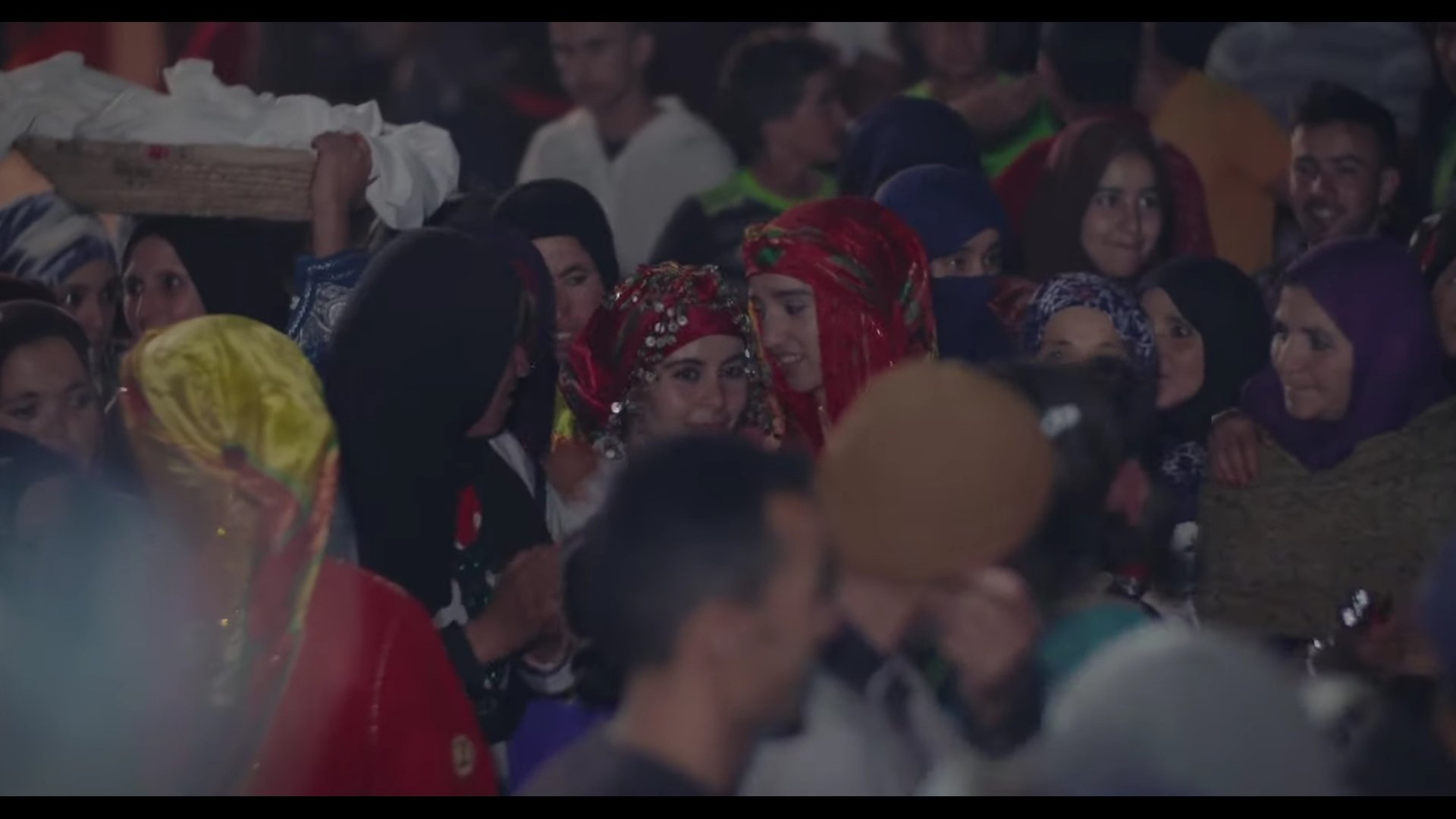



When director Asmae El Moudir finds an old picture postcard of a mountain village among her mother’s belongings, it brings a remarkable story to life. The picture is of Zawia, the village in Morocco that her mother left as a child and never returned to. El Moudir decides to go to this remote place. In Zawia, where time seems to have stood still, she embarks on a quest into her mother’s past, and thereby her own. She connects on a personal level with women and girls in the village; one of the young girls is Oum Elaid. The better El Moudir gets to know her and her family, the more she realizes how different her life would have been if her mother had stayed in the village. What begins as an intimate, personal journey in search of her family’s roots, evolves into a universal story about emancipation, migration, and the human longing to belong to a community.
We have a long way to go with LGBT representation in film, especially when it comes to LGBT characters of color and trans characters.
Kat Wahlen’s The Whiteboard tells, or rather shows, a delightful love story between two young women who meet in detention.
A haunting look at grief, survival, and a mother’s quiet collapse in a world that never gave her room to fall.
Mark Anthony Green was unable to connect all of the pieces in his debut feature film, leaving Opus as a middling entry in an already oversaturated genre.
A bond between a girl and her dog takes an unexpected twist as the dog is not what it seems.
A legacy based on the comic strip for old and new fans of Peanuts.