

‘Fast Color’: A Strikingly Different Take on the Superhero Film - Movie Review
Set in a future dystopian United States in which water is running out, Julia Hart’s Fast Color (2018) is a refreshingly different take on the superhero film.
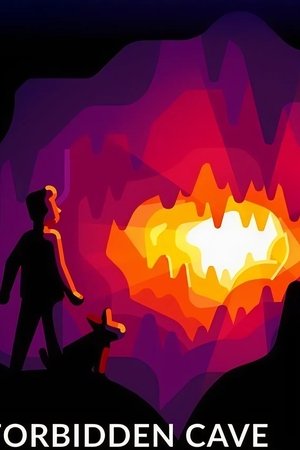


In September of 1940, an 18-year-old mechanic named Marcel Ravidat was walking his dog, Robot, in the countryside of Southwestern France when the dog disappeared down a hole. Robot eventually returned but the next day, Ravidat went to the spot with three friends to explore the hole. And after quite a bit of digging, they discovered a cave with walls covered with paintings, including over 900 paintings of animals, horses, stags, bison and also species that are now extinct, including a wooly rhinoceros. The paintings were astonishingly detailed and vivid with red, yellow and black paint made from pulverized mineral pigments that were usually blown through a narrow tube, possibly a hollowed bone, onto the walls of the cave. It would eventually be established that these artworks were at least 17,000 years old.
Set in a future dystopian United States in which water is running out, Julia Hart’s Fast Color (2018) is a refreshingly different take on the superhero film.
Films and TV series often tend to misrepresent or not acknowledge bisexual characters, but recent trends show that bi-erasure is now under deserved scrutiny. So, I’m genuinely happy about the direction bi-representation seems to be taking.
Trigger Warning with Killer Mike, a part of Netflix's Black Lives Matter Collection, features different social experiments showcasing the larger state of race relations in our society.
Although Christmas is a time of year for love and cheer for all, holiday cinema has not always represented diverse communities. Being a holiday with Christian origins, much of its media consists of straight white families or straight white romances. Luckily, modern years have been bringing with them plenty of POC and LGBTQ+ representation that the holidays so desperately need.
For a troubled teen, Will discovers what is important in life when he attends a summer camp: the people who care about his well being.
Juno is extremely funny, very well-written, and contains great performances. The film is also about a very important topic, one that is extremely relevant now: women’s reproductive rights. Is this Oscar-winning film spreading a pro-life or pro-choice message to its audience?